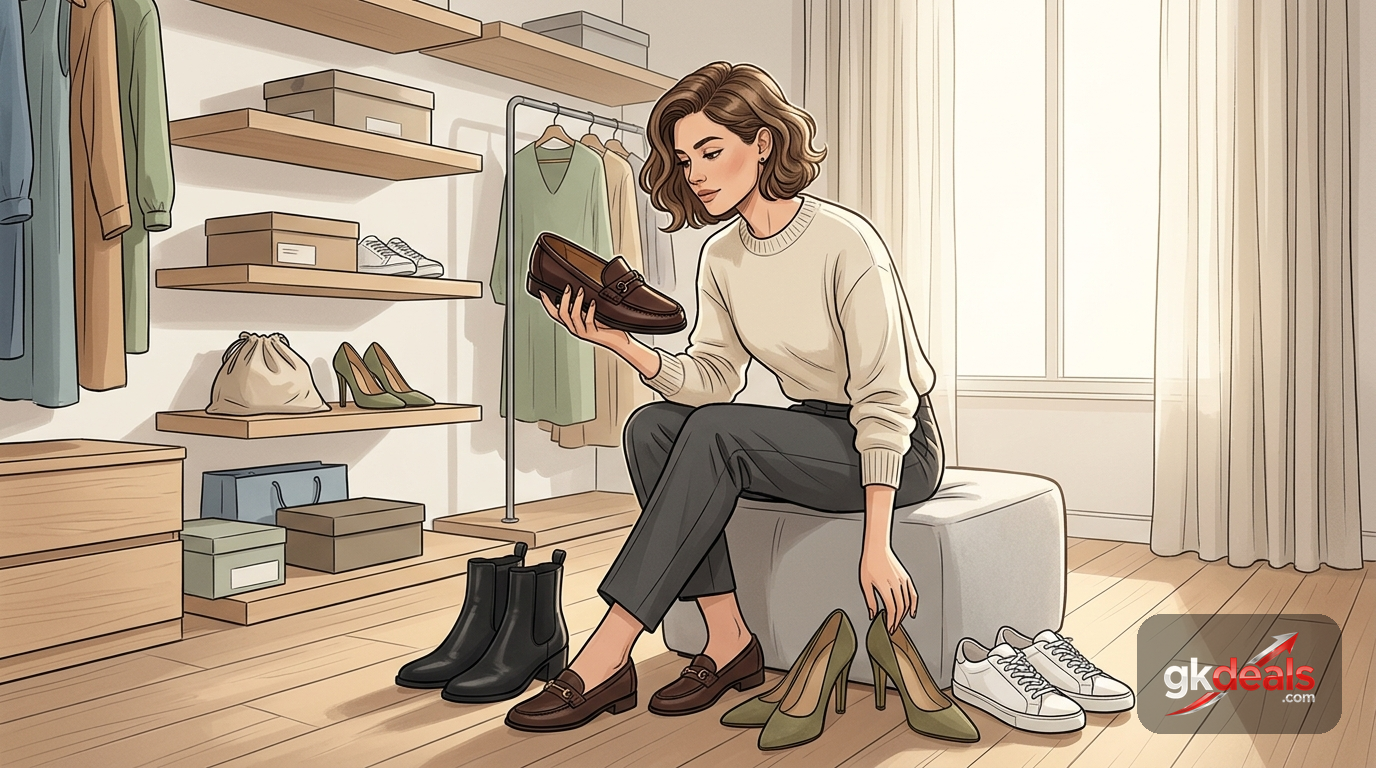

Buying designer shoes is easy to romanticize. The shape is sharper, the finish looks richer, and the brand carries a certain pull. But an investment pair only makes sense if the shoes earn their place in your wardrobe. A beautiful pair that hurts, scuffs after one outing, or only works with one dress is not an investment. It is an expensive impulse buy.
The good news is that you do not need a huge budget or fashion-industry knowledge to shop well. If you know what affects wear, comfort, longevity, and styling, you can spot the difference between a pair that feels special for years and one that spends most of its life in the box.
What makes a pair of shoes an "investment"?
An investment purchase is not just a pricey one. It is a pair that gives back in regular wear, dependable comfort, and long-term style. In footwear, that usually means the shoes meet most of these tests:
- You will wear them often. They work with clothes you already own, not an imaginary future wardrobe.
- They feel secure and comfortable enough for real use. Not just for standing still in your bedroom mirror.
- The material and construction justify the spend. Better leather, cleaner stitching, solid soles, balanced heel placement, and a shape that holds up over time matter more than a famous logo.
- The design has staying power. A classic pump, slingback, Mary Jane, or low heel in a versatile color often lasts longer in your wardrobe than a very trend-led silhouette.
- You can care for them and maintain them. Even expensive shoes wear out fast if you never protect, clean, or resole them.
If a pair fails most of those checks, it may still be worth buying for a specific event or for pure joy. But it is not really an investment piece.
Why the decision matters
Shoes affect more than style. They influence how long you can stay on your feet, how polished an outfit looks, and how confident you feel walking into a room. A good pair can carry a wedding guest outfit, sharpen workwear, or make simple tailoring look intentional. A bad pair can ruin an evening in under an hour.
The stakes are higher with designer or occasion-led shoes because the cost is usually higher and the wear pattern is less forgiving. If you spend more, you need a better reason than "I loved them online." You need to think about function.
Cost per wear matters more than the ticket price
A pair worn 30 times is often better value than a cheaper pair worn twice. If you are deciding between a statement heel and a refined pair you can use for events, dinners, and smarter daytime looks, the second option often wins. Investment shopping is less about buying the most expensive thing you can afford and more about buying the pair with the longest useful life in your wardrobe.
Comfort affects how much value you get
Many shoppers focus on heel height first. That matters, but heel shape, pitch, toe box width, and ankle support can matter just as much. A moderate heel with poor balance can feel worse than a slightly higher heel that is better designed. Slingbacks, kitten heels, block heels, and Mary Jane straps often give more security than very high, very minimal styles.
If you know you do not tolerate high stilettos for long, there is no badge of honor in forcing it. A lower heel you can wear for five hours is more useful than a dramatic heel you kick off after twenty minutes.
When spending more on shoes makes sense
There are a few situations where paying more can be reasonable.
- You need a versatile occasion shoe. Weddings, parties, dinners, and formal work events call for something polished. A refined pair in black, metallic, nude, or a deep jewel tone can cover a lot of ground.
- You wear dress shoes regularly. If your calendar includes events or office wear that demand heels or smart flats, quality matters more because the shoes will see repeat use.
- You struggle with fit in cheaper styles. Better-made shoes can offer cleaner shaping, softer linings, more stable construction, and better balance, though this is never guaranteed.
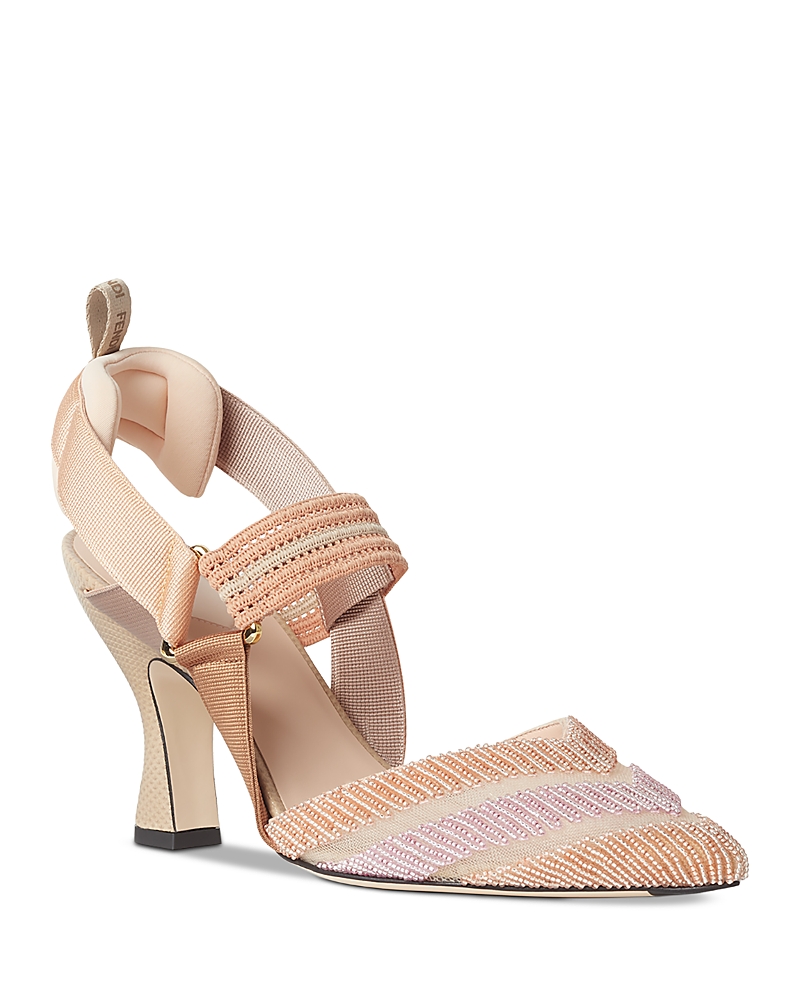
- You want a dressier finish than fast-fashion shoes usually offer. Details such as embellishment, satin-like finishes, beadwork, or elegant pointed toes can look noticeably better when done well.
On the other hand, spending more may not be worth it if you only need the shoes for one night, your style changes quickly, or you rarely wear heels at all. In those cases, focus on wearability and budget first.
Practical tips before you buy
Start with your wardrobe, not the shoe
Open your wardrobe and ask a blunt question: what would I wear these with in the next six months? List actual outfits. A pair that works with dresses, tailored trousers, dark denim, and event wear has a stronger case than a pair that only suits one hemline.
Think about surface and setting
Where will you wear them? Indoor events, pavement, grass, cobbles, office floors, or long standing receptions all place different demands on a shoe. Slim stilettos can sink into grass and feel unstable on uneven ground. A low heel or more supportive shape can be far more practical for all-day wear.
Be honest about your walking tolerance
If your events involve taxis, seated dinners, and short walks, you can get away with more. If you commute, stand for hours, or walk between venues, prioritize stability. There is no point buying a gorgeous pair that only works if you are carried from door to door.
Check the return policy and try them properly
Try shoes on indoors on clean flooring. Walk, turn, stand still, and test both feet for pressure points. Your heel should not slip excessively, your toes should not be crushed, and the arch should feel supported rather than strained. Shoes rarely stretch in a way that fixes major fit problems, especially around the toe.
Budget for care
If you are treating shoes as an investment, protect them. That may mean sole protectors, heel tips, storage bags, tissue stuffing to hold shape, and occasional repairs. This is especially important for light colors, delicate embellishment, satin-like uppers, and finer heel structures.
What to look for when buying
1. Heel height and shape
Choose the highest heel you can actually wear, not the highest heel you admire. Kitten heels and low heels are often more useful than towering styles because they suit longer events and repeat wear. Stilettos look elegant but demand better balance and more confidence on foot.
2. Toe shape
Pointed toes lengthen the leg and look dressy, but they can crowd the forefoot if the shape is very narrow. Almond and softly pointed shapes tend to be easier for longer wear. If your feet run wide at the front, be especially careful with sharply tapered designs.
3. Support features
Look for elements that help the shoe stay on and spread pressure well:
- Slingback straps with secure hold
- Mary Jane straps for extra stability
- Padding at the insole
- Linings that reduce rubbing
- A heel placed directly under the body for balance
These details can make a noticeable difference, especially for occasion shoes.
4. Material and finish
Smooth leather, suede, textile uppers, embellished mesh, and satin-style finishes all wear differently. Leather often ages well and can soften with use. Decorative finishes can look striking but may need gentler handling. If you are buying beadwork, sequins, crystals, or other surface detail, inspect how securely it is attached and think about where you will wear it.
5. Versatility of color
Black is usually the safest investment for evening wear and smarter occasions. Metallics can be surprisingly flexible. Nude tones can be useful, but only if the shade works with your wardrobe. If you want maximum wear, choose a color you already repeat in bags, tailoring, or occasionwear.
6. Occasion range
The best investment pairs do more than one job. A polished slingback might work for weddings, dinner dates, work events, and parties. A heavily themed or very seasonal shoe can still be wonderful, but it is less likely to earn true investment status unless you know you will rewear it often.
7. Fit at the end of the day
Your feet often swell slightly later in the day. If possible, try occasion shoes on in the afternoon or evening rather than first thing in the morning. This gives you a more realistic read on comfort.
How to tell if a pair is worth it for you
Ask yourself these five questions before you buy:
- Can I name at least three real outfits I would wear these with?
- Would I still want them if the brand name were hidden?
- Can I comfortably walk and stand in them for the type of events I attend?
- Do the materials and details look durable enough for the price?
- Will I care for them properly so they last?
If the answer is yes to most of these, the purchase has a solid case. If not, pause. Admiring a shoe is not the same as needing it.
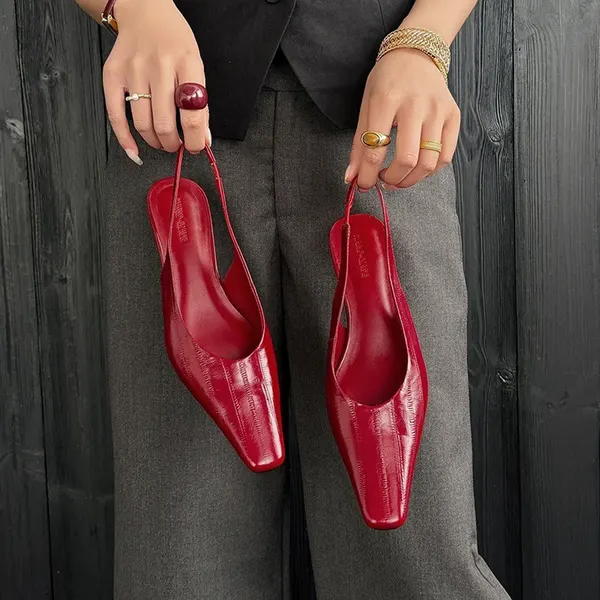
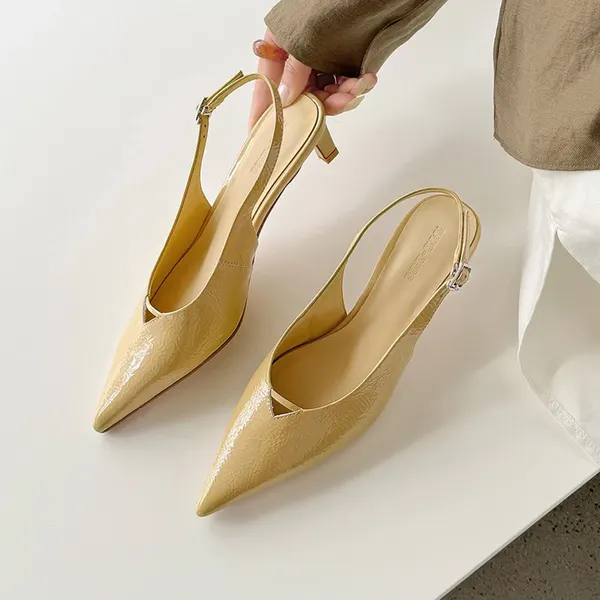
A smart investment pair should feel special, but it should also fit your life. The strongest options tend to combine a flattering shape with practical comfort features and enough versatility to work across multiple occasions. With that in mind, the styles below are a good place to compare if you want something polished, wearable, and easy to dress up more than once.
Our Top Recommendations
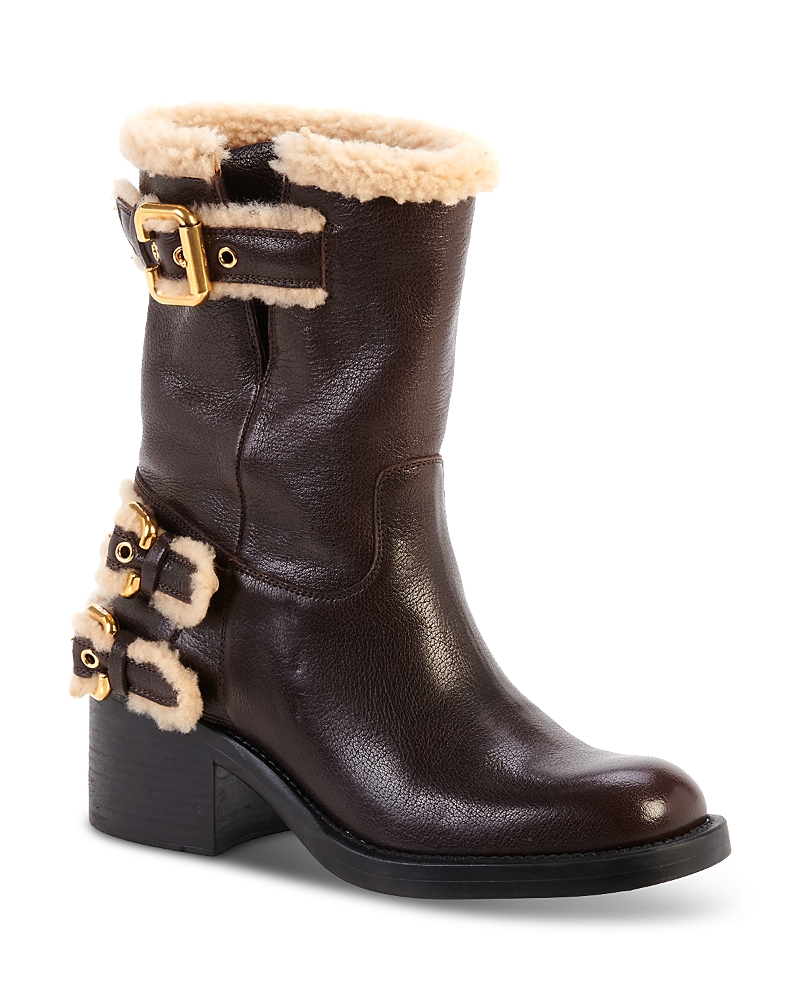
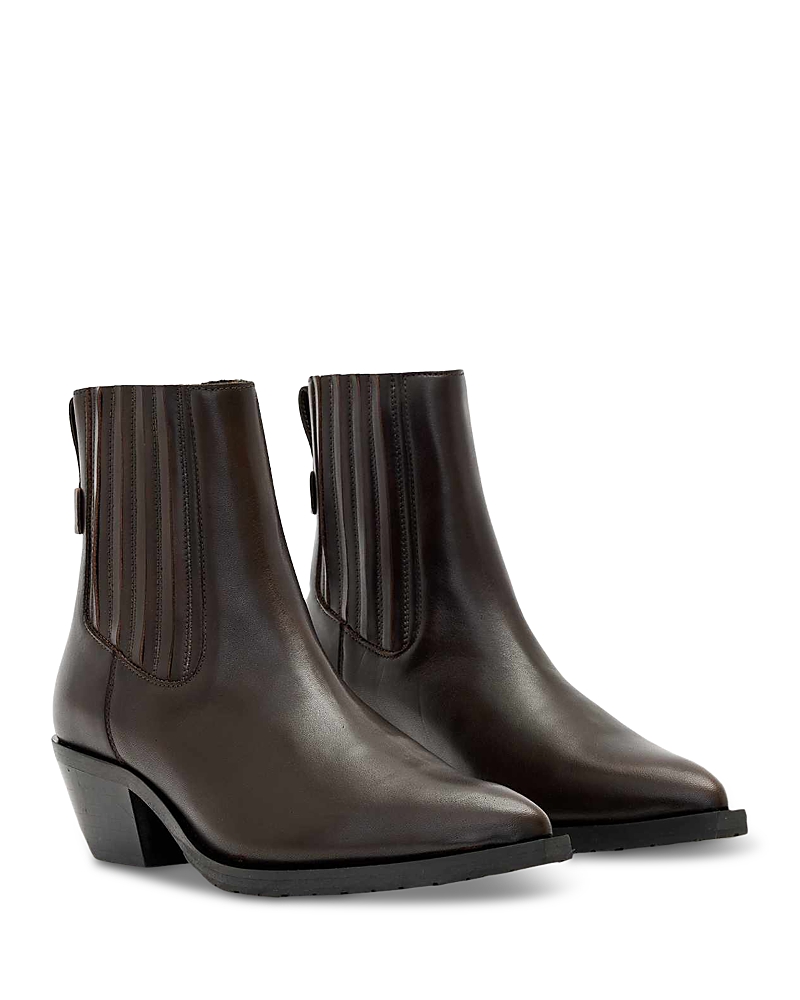
Based on this guide, here are hand-picked products from our partners that we recommend:


We may earn a commission if you buy through these links, at no extra cost to you.