
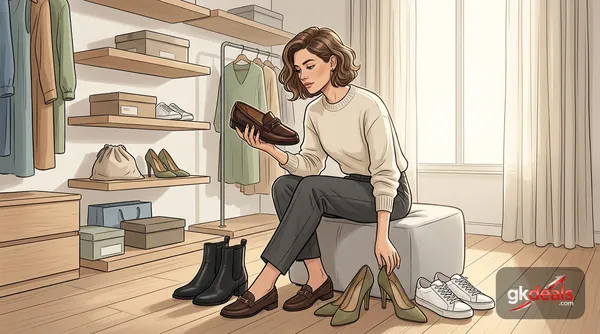
Designer shoes can elevate an outfit instantly, but the real value is not just in the label. In 2026, smart shoppers are looking beyond logos and trending silhouettes to find pairs that combine craftsmanship, comfort, and durability. If you want luxury footwear that still looks good after repeated wear, the best approach is to buy with a clear understanding of materials, construction, fit, and how the shoe fits your lifestyle.
This guide walks you through how to choose designer shoes that last, what separates a beautiful shoe from a genuinely well-made one, and how to avoid paying premium prices for pairs that spend most of their life in the closet.
Why Choosing Long-Lasting Designer Shoes Matters
Designer shoes are often positioned as investment pieces, but not every high-end pair delivers long-term value. A stylish shoe that pinches, scuffs easily, or loses shape after a few wears can quickly become a regret purchase. On the other hand, a thoughtfully chosen pair can serve you for years, especially if it works with your wardrobe and can be maintained properly.
Long-lasting designer shoes matter for a few key reasons:
- Better cost per wear: A pair you wear 50 times is usually a better buy than one you wear twice, even if the price tag is higher upfront.
- More comfort over time: Well-made shoes with proper structure, balanced heels, and quality lining tend to feel better and age better.
- Less waste: Buying fewer, better shoes can reduce the cycle of replacing poorly made pairs every season.
- More versatile styling: The strongest luxury purchases are usually the ones that work across multiple outfits and occasions.
The goal is not simply to buy expensive shoes. It is to buy designer shoes that are worth owning.
Start With How You Actually Plan to Wear Them
Before you compare brands or inspect materials, define the role the shoes will play in your wardrobe. A pair meant for occasional events has different requirements than one you plan to wear weekly.
Ask yourself these practical questions
- Will you wear them mostly indoors, outdoors, or both?
- Are they for work, events, travel, or everyday style?
- Do you walk a lot, stand for long periods, or mostly wear them for short outings?
- Do you need a neutral shoe that goes with everything, or a statement pair you will style selectively?
This step helps narrow your choices fast. For example, an elegant platform sandal can be a smart pick for events if it has a stable base and supportive design. That is why some shoppers are drawn to styles like the Jimmy Choo Women's Heloise 120 Snake Embossed High Block Heel Platform Sandals, where the block heel and platform profile can offer more practicality than a very thin stiletto. For cooler months or more frequent day-to-night wear, a streamlined ankle boot such as the Stuart Weitzman Women's Vinnie Suede Ankle Boots may appeal to buyers looking for versatility and a more wearable silhouette.
Prioritize Materials That Age Well
Material quality is one of the biggest factors in whether designer shoes hold up. Premium materials usually feel better from the start, but more importantly, they tend to wear in rather than wear out when cared for correctly.
Best materials to look for
- Full-grain or high-quality leather: Durable, breathable, and often easier to condition and restore than synthetic alternatives.
- Suede: Luxurious and soft, though it needs more protection from moisture and stains.
- Leather lining: Often more breathable and comfortable than synthetic lining, especially during longer wear.
- Solid leather or quality composite soles: Depending on use, each can be a good choice, but construction quality matters more than labels alone.
Materials that need extra caution
- Delicate fabric uppers: Beautiful, but often easier to snag or stain.
- Very thin patent finishes: Can show creasing quickly.
- Low-grade synthetics: These may crack, peel, or trap heat.
Textured finishes, embossed leathers, and quality suede can all be excellent choices, but only if you are realistic about maintenance. If you know you rarely use protective sprays, shoe trees, or dust bags, choose a more forgiving material and color.
Look Closely at Construction
Luxury branding does not automatically guarantee excellent construction. To judge whether a designer shoe is built to last, pay attention to the details you can see and feel.
Signs of strong construction
- Clean, even stitching: No loose threads, skipped stitches, or uneven seams.
- Secure sole attachment: The sole should feel firmly bonded or stitched with no visible gaps.
- Balanced heel placement: Heels should feel centered and stable, not wobbly.
- Structured shape: The shoe should hold its form without collapsing.
- Smooth interior finishing: Rough edges and exposed seams can cause discomfort and faster wear.
If possible, gently flex the shoe. It should move naturally at the ball of the foot, not fold awkwardly in the middle. Extremely rigid shoes can be uncomfortable, while overly flimsy shoes may lose structure quickly.
Fit Is What Turns Luxury Into Longevity
A designer shoe that does not fit well will not last in your wardrobe, no matter how beautiful it is. Poor fit leads to less wear, more strain on the materials, and an increased chance of stretching or misshaping.
What to check when trying on designer shoes
- Your heel should feel secure without excessive slipping.
- Your toes should not be compressed or forced forward.
- The widest part of your foot should align with the widest part of the shoe.
- Arch placement should feel natural, especially in heels and boots.
- You should be able to walk confidently without gripping with your toes.
Remember that fit can vary significantly between brands and even between styles from the same designer. A sleek pointed pump, a suede ankle boot, and a platform sandal will all fit differently. Read sizing notes carefully and consider whether the material is likely to stretch. Leather may soften and ease with wear, while some structured finishes will change less.
Choose Heel Height and Shape Realistically
One of the fastest ways to waste money on designer shoes is to buy a heel you admire more than you can wear. In 2026, shoppers are increasingly prioritizing elegant comfort, and for good reason. A manageable heel is more likely to become a true wardrobe staple.
Smart heel choices for longevity
- Block heels: Usually more stable and easier to walk in than narrow heels.
- Platforms: Can reduce the effective pitch of a high heel.
- Lower or mid heels: Often offer the best combination of polish and repeat wear.
- Well-cut ankle boots: Can provide support and versatility across seasons.
If you love dramatic styles, look for features that make them more wearable, such as ankle support, padded footbeds, or a broader heel base. The key is matching the design to your real comfort threshold.
Think About Maintenance Before You Buy
The shoes that last longest are usually the ones their owners are willing to care for. Before purchasing, consider whether the pair fits your maintenance habits.
Good questions to ask
- Will this material need weatherproofing?
- Can the sole be protected or replaced by a cobbler?
- Will scuffs show easily in this color or finish?
- Do I have the right storage space to preserve the shape?
Even high-end shoes benefit from basic care: rotating wears, storing them properly, using dust bags, and dealing with marks early. If a shoe feels high maintenance and you know you prefer low-effort upkeep, it may not be your best long-term buy.
What to Look for When Buying Designer Shoes in 2026
Luxury footwear shopping in 2026 is increasingly about informed buying, not impulse buying. Whether you shop in store or online, focus on these essentials:
- Versatility: Will they work with multiple outfits you already own?
- Quality materials: Prioritize leather, suede, strong linings, and durable finishes.
- Sound construction: Check stitching, soles, heel stability, and interior finishing.
- Comfortable fit: Never assume discomfort is the price of luxury.
- Lifestyle match: Choose occasion shoes, work shoes, or everyday shoes with honesty about use.
- Care potential: Buy pairs you can realistically maintain.
If a shoe passes those tests and still excites you, it is far more likely to become a lasting part of your wardrobe rather than an expensive one-season purchase.
The best designer shoes do more than look impressive out of the box. They support your lifestyle, justify their price over time, and make getting dressed feel easier and more polished. With the basics of quality, fit, construction, and maintenance in mind, you are in a much stronger position to choose a pair that delivers both style and staying power. Next, explore the product recommendations that follow to compare options with these buying principles in mind.
Our Top Recommendations
The Stuart Weitzman Women's Vinnie Suede Ankle Boots deliver a polished balance of softness, sophistication, and wearability. For shoppers seeking elevated ankle boots with designer finesse, this pair makes a compelling…
The Jimmy Choo Women's Heloise 120 Snake Embossed High Block Heel Platform Sandals deliver striking evening style with the confidence of a platform and block heel. They feel every bit like a luxury statement shoe…