

Designer sale season can feel like a race. The markdown looks tempting, sizes disappear fast, and it is easy to convince yourself that a piece is a bargain just because it used to cost much more. That is how a discounted item still ends up being expensive: you buy too quickly, buy the wrong thing, or buy something that does not fit your wardrobe. Shopping designer sales well is not about chasing the biggest percentage off. It is about buying fewer, better pieces at the right price and skipping the rest.
If you want to shop luxury and premium fashion without blowing your budget, the goal is simple: focus on value, not adrenaline. A strong sale purchase should earn its place in your closet long after the sale ends.
Why shopping designer sales strategically matters
Designer clothing and accessories cost more for a reason: fabric quality, construction, design, finishing, and brand positioning all affect the price. But full price is not the only number that matters, and a markdown does not automatically make something worthwhile.
A smart sale purchase can help you buy a better-made item than you would normally choose at full price. A badly planned one can leave you with a trendy piece that feels dated in a few months, a beautiful jacket that does not fit over your usual layers, or a color you never wear because it looked exciting in the moment.
There is also a hidden cost to overspending on sale items: it uses up the budget you could have put toward a piece you genuinely needed. One impulsive purchase can mean missing out later on a knit you wear weekly, a coat that lasts for years, or a top that works across multiple occasions.
That is why the best designer sale shoppers tend to be calm, selective, and slightly skeptical. They do not ask, “How much is it reduced?” first. They ask, “Would I want this at all if it were not on sale?”
Set your rules before you browse
The easiest way to overspend is to start shopping without limits. Before opening sale pages or stepping into a store, decide what you are actually willing to buy.
Start with a hard budget
Pick a number you can spend without regret. Not a vague range. A real ceiling. This immediately filters out panic buying and stops small extra purchases from piling up.
If you are shopping for more than one item, break your budget into categories. For example, you might allow more for outerwear than for a statement top, because coats tend to get heavier use and stronger cost-per-wear.
Make a short wish list
Write down the pieces that would improve your wardrobe right now. Keep it specific.
- A black knit for work and weekends
- A lightweight jacket for travel and layering
- A dressy blouse for dinners and events
- A winter coat that works with chunky sweaters
A short list helps you avoid buying a random item just because the brand name is appealing. If a sale piece is beautiful but solves no real wardrobe need, it is still optional.
Know your non-negotiables
Decide in advance what you will not compromise on.
- Fabric that feels good on your skin
- A fit that works without costly alterations
- A color palette you already wear
- Enough versatility to style at least three ways
- Care requirements you will realistically follow
This is especially important in final-sale shopping, where returns may be limited or unavailable.
How to tell if a designer sale item is actually worth buying
Use cost per wear, not just discount percentage
A heavily reduced item is not automatically a better buy than a modestly reduced one. A jacket you wear 50 times is usually better value than a dramatic party piece worn once.
Ask yourself:
- How often will I wear this in the next 12 months?
- Can I style it with pieces I already own?
- Does it work for my real life, not my fantasy life?
If the answer is no, leave it. The smartest sale purchase is often the one that slips quietly into your existing wardrobe and gets used constantly.
Check fabric composition carefully
Photos and brand names can distract from the basics. Read the material details. A sweater may look luxurious, but the fabric mix will tell you more about warmth, softness, and longevity. A satin top may look elegant, but you still need to know whether it is silk, viscose, polyester, or a blend, because drape, breathability, and care needs differ.
Look for:
- Natural fibers if breathability and feel matter most
- Blends if you want easier care or improved durability
- Lining details in jackets and coats
- Fill material in outerwear if warmth is a priority
Do not assume premium branding guarantees premium fabric. Always verify.
Read the fit notes like a skeptic
Designer sizing is inconsistent. One brand runs narrow in the shoulders, another long in the sleeves, another oversized through the body. Never rely only on your usual size label.
Use measurements when available and pay attention to fit descriptions such as:
- Runs small
- Boxy fit
- Cropped length
- Oversized silhouette
- Fitted through the waist
If you are shopping outerwear, think about layering. If you are shopping knitwear, think about whether you prefer a close fit or room to move. If you are shopping a statement top, think about bra compatibility, neckline, and sleeve shape.
Check return policy before you add to cart
This is one of the easiest mistakes to avoid. Some sale items can be returned for refund, some only for store credit, and some are final sale. That difference matters a lot with designer purchases.
If returns are restricted, be stricter than usual. Only buy when you are confident in size, fabrication, and usefulness. A non-returnable bargain that sits unworn in your closet is not a bargain.
Practical tips to avoid overspending during designer sales
Shop early for staples, later for risks
The best sizes in wearable basics often go first. If you are buying a neutral sweater, classic jacket, or versatile coat, it can make sense to shop earlier in the sale. If you are considering something more trend-led or occasion-specific, waiting may bring a better markdown, but there is always a trade-off in selection.
The key is to know which category you are shopping in. Need and novelty should not be treated the same way.
Do not let the original price do the thinking for you
Retailers know that a high crossed-out price creates urgency. It makes the discount feel bigger. But the original price is not proof that the item suits you, fits you, or deserves your money. Treat it as background information, not the deciding factor.
Pause before checkout
Put the item in your cart and step away for 15 to 30 minutes. This short pause helps separate real interest from sale pressure. When you come back, ask:
- Would I still buy this tomorrow?
- Can I name three outfits with it right now?
- Would I be annoyed if I could not return it?
If your enthusiasm drops fast, that tells you something useful.
Factor in alteration and care costs
A discounted designer piece can still become expensive if it needs tailoring, dry cleaning, special storage, or delicate maintenance. A long coat may need hemming. A fitted top may need adjustment through the bust. A knit may require hand washing or depilling care.
None of that is automatically a deal-breaker. Just include it in your real cost before buying.
Avoid buying outside your lifestyle
One of the biggest sale traps is the aspirational purchase: the bold print you cannot style, the delicate top that only works for rare occasions, the dramatic jacket that looks great online but does not match your daily life. Fashion should still be exciting, but the best purchases connect with how you actually dress.
If your wardrobe leans simple, look for strong fabric, clean lines, and useful colors. If you love statement pieces, choose one that still works with your basics instead of needing a whole new outfit built around it.
What to look for when buying designer pieces on sale
Versatility
Can the piece work across different settings? A good sale buy often moves easily between casual and polished styling. The more combinations you can create from what you already own, the better the purchase.
Season span
Some items earn their keep because they work across more than one season. Lightweight knits, transitional jackets, satin tops for layering, and practical outerwear tend to offer better long-term value than ultra-specific pieces.
Construction details
Zoom in on finishing and product details where possible. Look for signs of quality such as neat seams, clean hems, substantial hardware, proper lining, and shape retention in structured pieces. If the photos are vague and the description is thin, be careful.
Distinctive design without being hard to wear
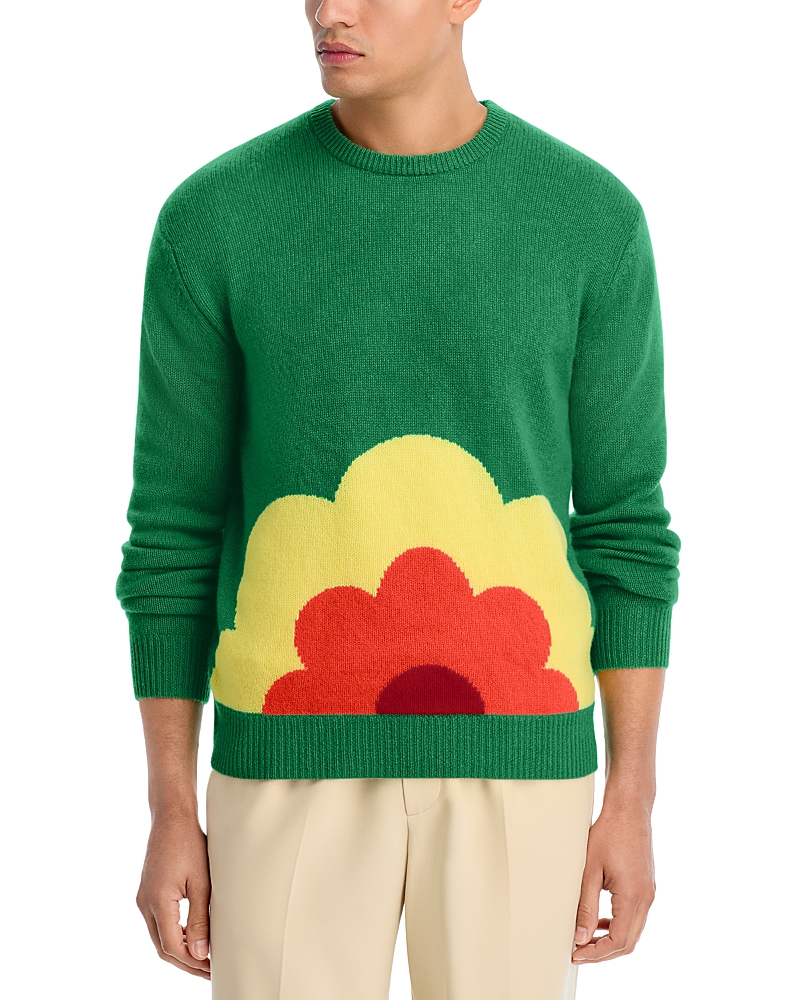
The sweet spot in designer sale shopping is finding something with personality that still fits your life. That may mean an interesting print on a wearable jacket, refined detailing on an elegant top, or color contrast on a coat that keeps it from feeling generic. You want enough design to feel special, but not so much that the item becomes difficult to repeat.
Longevity over hype
Trend pieces can be fun, but sales are often the best time to invest in items with a longer lifespan in your wardrobe. Focus first on pieces you can picture wearing next year, not just this month.
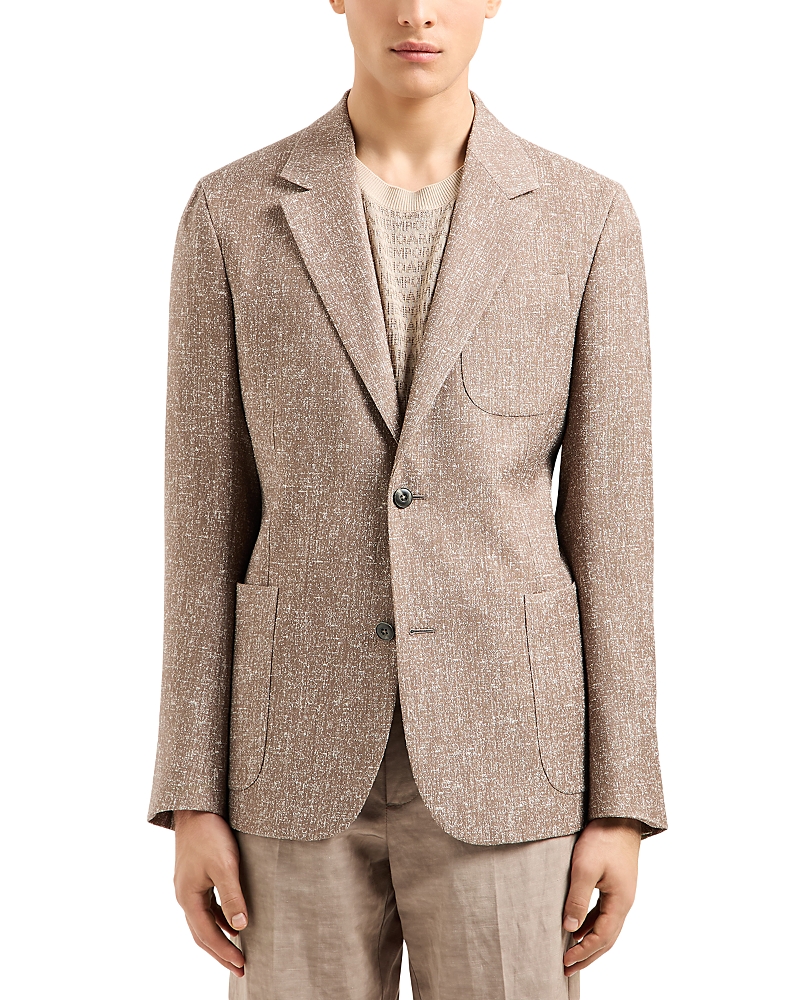
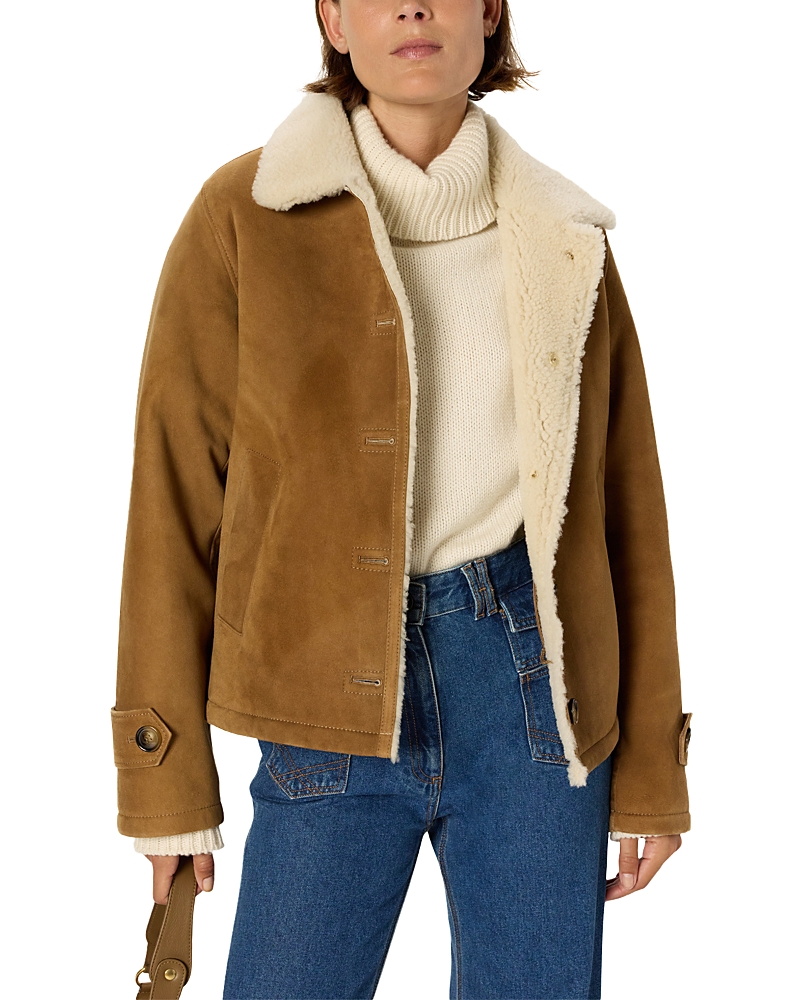
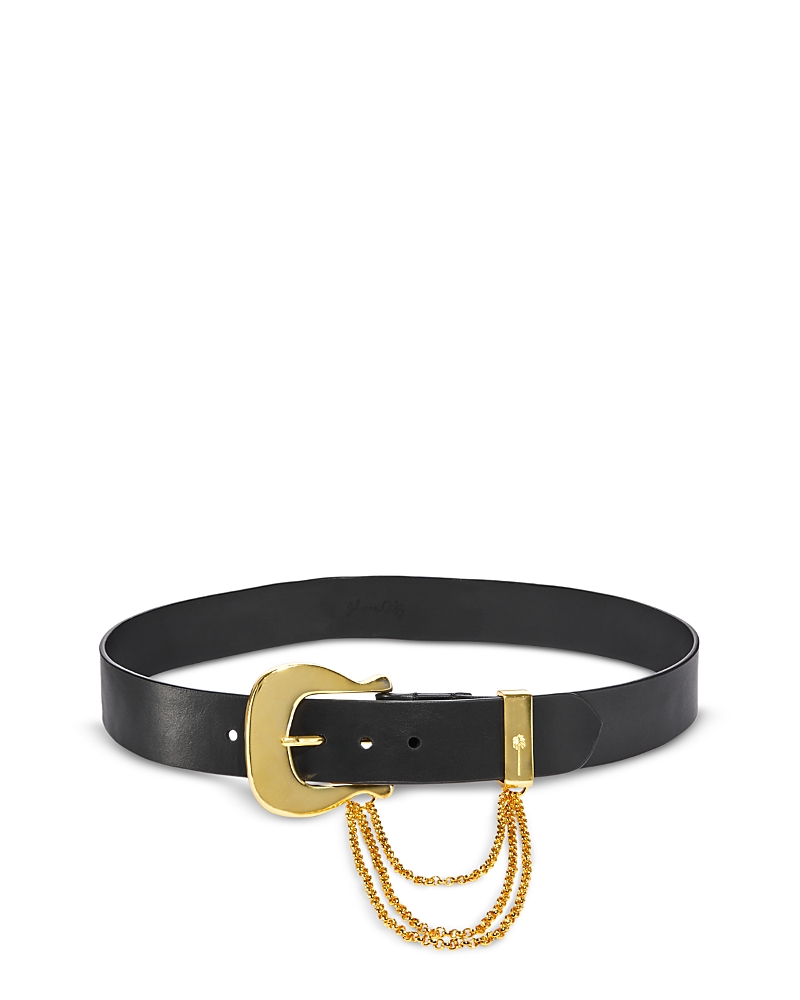
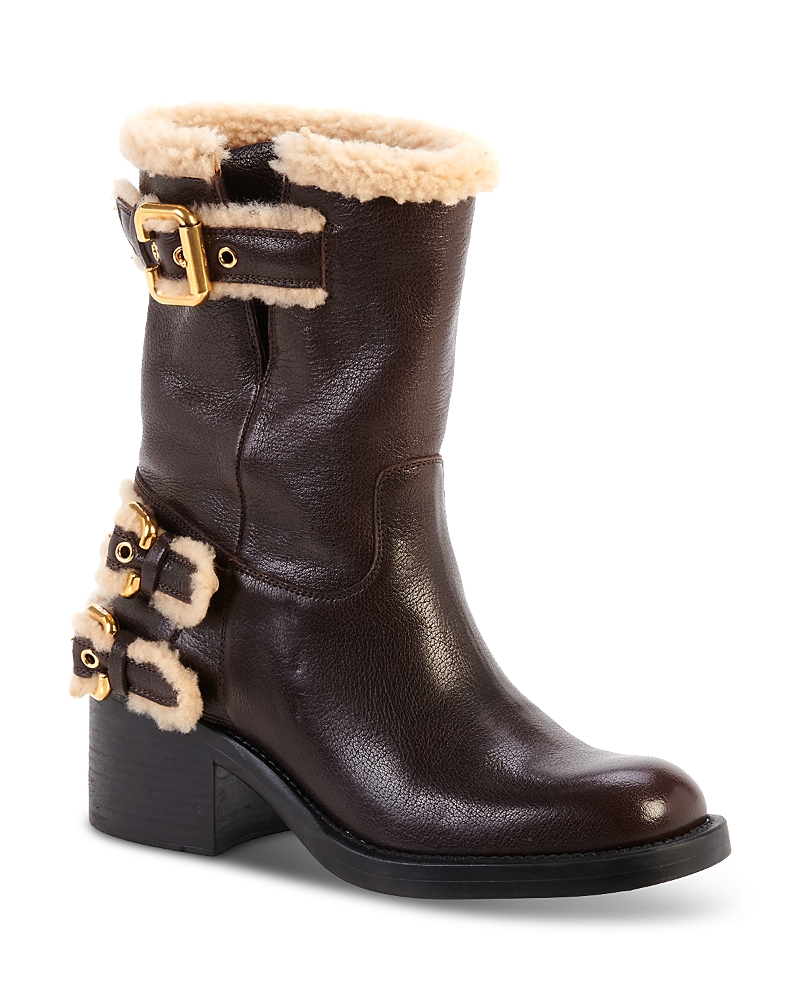
If you approach designer sales with a budget, a plan, and a clear eye for value, you are far less likely to overspend and far more likely to come away with something you truly enjoy wearing. The pieces worth considering now are the ones that combine quality, practicality, and enough style to feel exciting without becoming a regret. With that in mind, the selections below are a good place to compare different types of designer sale buys and decide which one best fits your wardrobe and spending priorities.
Our Top Recommendations
Based on this guide, here are hand-picked products from our partners that we recommend:
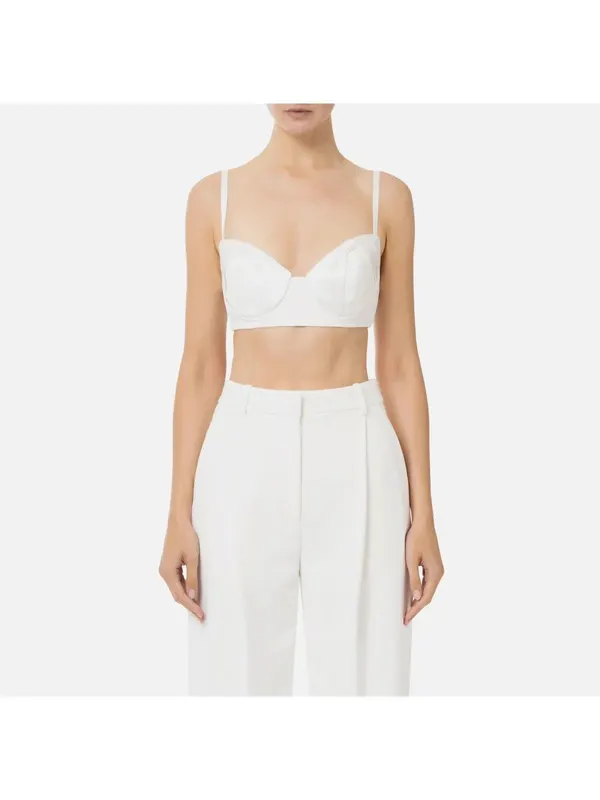
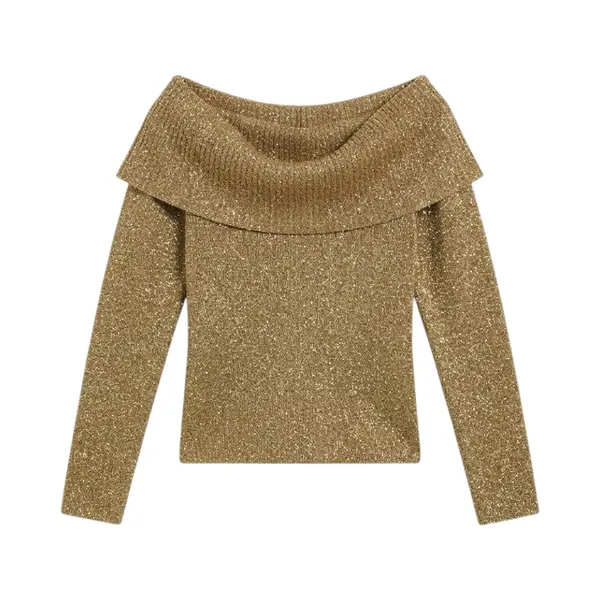

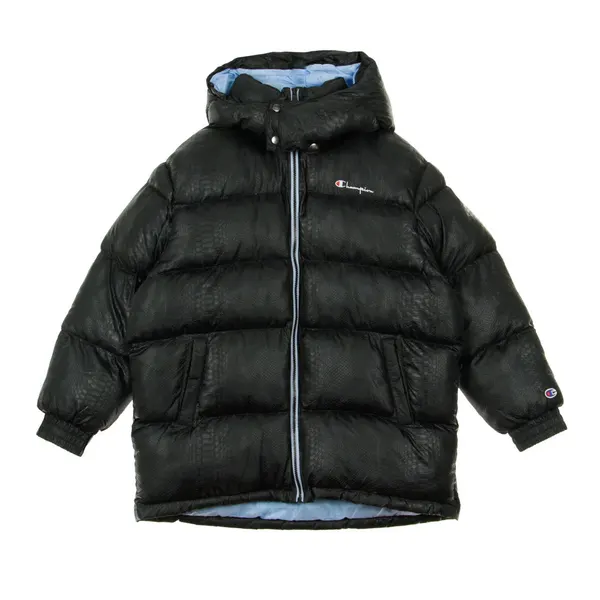
We may earn a commission if you buy through these links, at no extra cost to you.