
Luxury footwear can be one of the smartest style investments you make—if you buy with intention. The right pair elevates outfits instantly, feels better on foot, lasts longer than fast-fashion alternatives, and often delivers details in craftsmanship that are obvious the moment you wear them. But premium pricing also raises the stakes. A beautiful shoe that pinches, slips, or only works with one outfit quickly becomes an expensive mistake.
This guide will help you shop like an informed buyer in 2026. Whether you are looking for polished ankle boots, versatile heels, statement evening shoes, or premium everyday pairs, the key is balancing aesthetics, fit, materials, comfort, and long-term wearability. The goal is not simply to buy luxury footwear—it is to buy the right luxury footwear for your lifestyle.
Why buying luxury footwear thoughtfully matters
At the luxury end of the market, design matters—but so do construction and usability. Premium shoes are often made with finer leathers, cleaner finishing, more supportive insoles, better-balanced heels, and stronger hardware. When the design and craftsmanship align with your needs, the result is a pair you reach for repeatedly rather than save for an imagined special occasion.
Thoughtful buying also protects your budget. Luxury footwear should deliver at least one of these benefits:
- Versatility: easy to style across multiple outfits and occasions
- Comfort: wearable for meaningful stretches of time, not just for photos
- Craftsmanship: better materials and finishing that justify the premium
- Longevity: durable enough to remain part of your wardrobe for years
- Distinctive design: details that make the pair feel special without becoming difficult to wear
In 2026, shoppers are also more value-conscious. The best purchase is not necessarily the most trend-driven option; it is the pair that bridges personal style and practical use. A sleek ankle boot that works with denim, tailoring, and dresses may outperform a more dramatic pair that only comes out twice a year.
Start with how and where you will wear them
Before comparing brands, silhouettes, or heel heights, define the role the shoes need to play in your wardrobe. This immediately narrows the field and makes it easier to avoid impulse buys.
Ask yourself these practical questions
- Will you wear them mainly during the day, at night, or both?
- Are they for commuting, events, office wear, dinners, travel, or weekend outings?
- Do you need to walk several city blocks, stand for long periods, or mostly sit?
- Will they be styled with trousers, denim, midi dresses, mini hemlines, or occasionwear?
- Do you want a timeless staple or a statement piece with personality?
For example, a lower block heel usually offers more stability and repeat wear than a very high stiletto. A streamlined black ankle boot often integrates into more outfits than a highly seasonal color. If you regularly attend events, an elegant evening sandal might earn its place—but only if the fit is secure enough to actually enjoy wearing it.
How to judge fit in luxury footwear
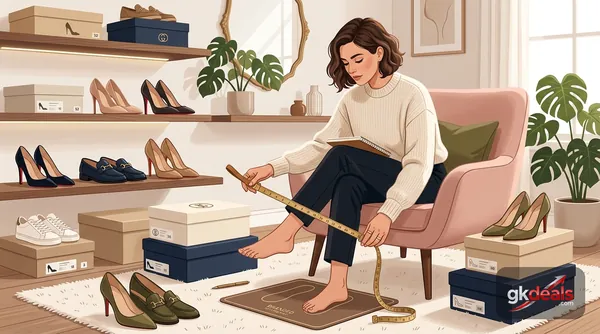
Fit is where many buyers go wrong, especially when shopping online or when choosing a pair based primarily on appearance. Luxury shoes do not automatically fit better than mass-market shoes. The shape of the last, toe box, arch placement, heel counter, and strap positioning all affect comfort.
Key fit checks
- Toe room: your toes should not feel crushed or pushed forward, especially in pointed silhouettes.
- Heel security: your heel should feel held in place without excessive rubbing or lifting.
- Width: the shoe should feel supported, not squeezed at the widest part of the foot.
- Arch alignment: the arch support or contour should sit where your foot naturally needs it.
- Instep and ankle fit: boots and sandals should feel secure without digging in.
Try shoes later in the day if possible, when feet are slightly more swollen and closer to their real-world size. Wear the type of hosiery or socks you would normally pair with them. Walk on different surfaces if allowed, paying attention to pressure points, slipping, and balance. A small break-in period may happen with leather, but pain is not a sign of future comfort.
Materials that justify a premium price
Luxury footwear should look refined up close. One major reason is material quality. Full-grain and high-quality smooth leather, suede, and carefully selected textile uppers often age better and mold more naturally to the foot than lower-grade synthetics.
What to look for in materials
- Upper: smooth leather should feel supple, not plasticky; suede should look dense and even.
- Lining: leather lining often improves breathability and comfort over long wear.
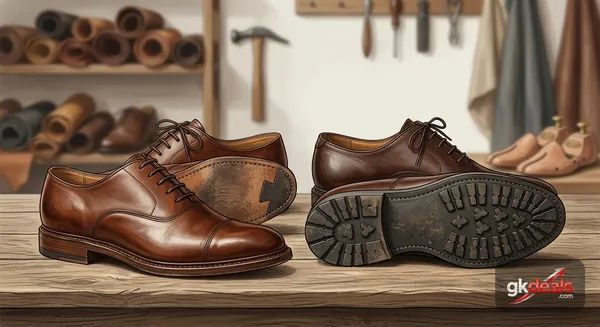
- Sole: leather soles can feel elegant, while rubber inserts or composite soles may improve grip and durability.
- Hardware: zips, buckles, and embellishments should feel weighty, secure, and neatly attached.
- Finishing: edges, stitching, glue lines, and seam alignment should all appear precise.
If a shoe includes decorative details, make sure they enhance rather than limit wearability. Statement accents can be a major part of the appeal, but they should not snag fabrics, add uncomfortable weight, or make styling unnecessarily difficult.
Comfort features that matter more than brand prestige
Luxury should feel considered on the foot, not just look impressive in the box. Comfort often comes from subtle engineering rather than obvious cushioning.
Prioritize these details
- Balanced heel height: a well-designed mid heel or block heel can offer elegance with better stability.
- Padding: discreet forefoot and heel cushioning can make a major difference.
- Secure straps or closures: these reduce sliding and help distribute pressure.
- Structured heel counters: useful in boots and pumps for a more stable fit.
- Flexible but supportive sole construction: enough give to move naturally without feeling flimsy.
If you are choosing between two beautiful pairs, the one you can confidently wear for several hours is usually the better investment. Comfort expands cost-per-wear because it increases the chances that the shoes become a regular part of your wardrobe rather than an occasional compromise.
Choosing the right silhouette for your wardrobe
Silhouette drives both styling range and practicality. In luxury footwear, it is worth being honest about what you already wear most.
Ankle boots
Ankle boots are among the most versatile premium purchases. They pair easily with jeans, trousers, skirts, and dresses, and can feel polished in both daytime and evening settings. Look for a shaft height that works with your hemlines and trouser cuts, and consider whether you prefer a pointed, almond, or rounded toe.
Sandals and heeled evening styles
These are ideal if you attend weddings, dinners, parties, and warm-weather events. A lower or block heel can make an evening sandal much easier to wear for extended periods. Minimal strap designs look elegant, but they should still hold the foot securely.
Statement versus timeless styles
If this is your first or only luxury footwear purchase for the season, lean timeless. Neutral shades, clean lines, and wearable heel heights generally offer stronger long-term value. If your core wardrobe is already covered, a distinctive design feature can add personality without sacrificing usefulness.
How to assess quality before you buy
Even online, you can evaluate quality by zooming in and reading carefully. Product photos and descriptions often reveal more than you think.
- Check whether stitching looks straight and consistent.
- Look for clean transitions where the sole meets the upper.
- Read material breakdowns rather than assuming all leather is equal.
- Review heel height in exact measurements, not vague terms like “mid” or “high.”
- Look for closure details such as side zips, adjustable straps, or elastic inserts.
- Read customer feedback for sizing patterns: true to size, narrow, wide, long, or short.
- Consider return policies in case the last shape does not suit your foot.
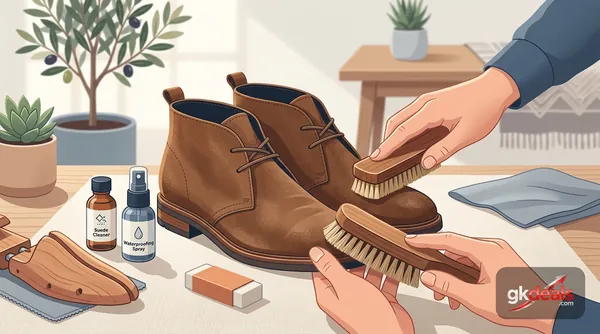
It also helps to evaluate maintenance requirements upfront. Suede may need more weather awareness; light-colored leather may show wear more quickly; delicate finishes may be best reserved for occasional use. Matching the shoe to your tolerance for upkeep prevents disappointment later.
Smart luxury buying tips for 2026
Luxury shopping is no longer just about aspiration—it is about selectivity. The most satisfied buyers usually focus on wardrobe gaps, repeat wear potential, and quality indicators rather than hype alone.
- Buy for your actual calendar, not a fantasy lifestyle.
- Choose heel heights you already know you can manage.
- Prioritize one excellent versatile pair over multiple compromise purchases.
- Think in outfits: list at least three to five ways you would wear the pair.
- Factor in care, weather, and surface conditions where you live.
- Consider resale and longevity if you tend to rotate your wardrobe often.
When a pair combines strong craftsmanship, flattering design, and real-life wearability, it becomes more than a fashion purchase. It becomes a reliable finishing piece that can sharpen your entire wardrobe.
With these principles in mind, you are in a much better position to choose luxury footwear that feels exciting now and still earns its place later. The next step is comparing standout styles that bring together sophistication, comfort, and versatility in silhouettes that work for modern wardrobes.
Our Top Recommendations
Based on this guide, here are hand-picked products from our partners that we recommend:
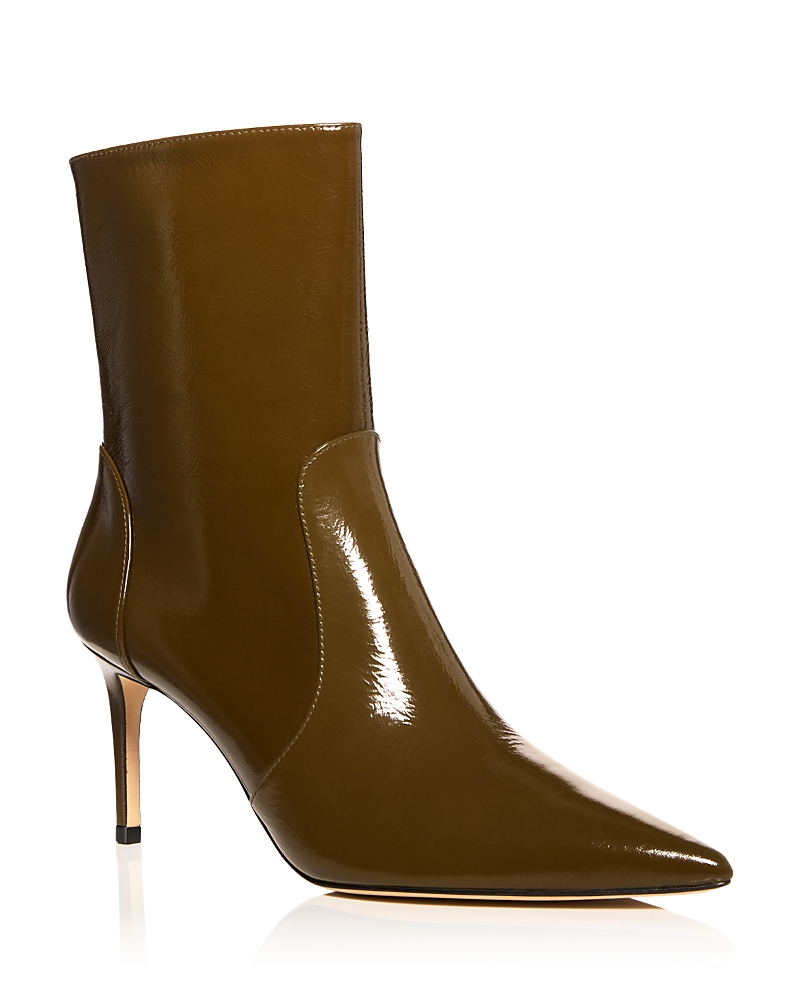
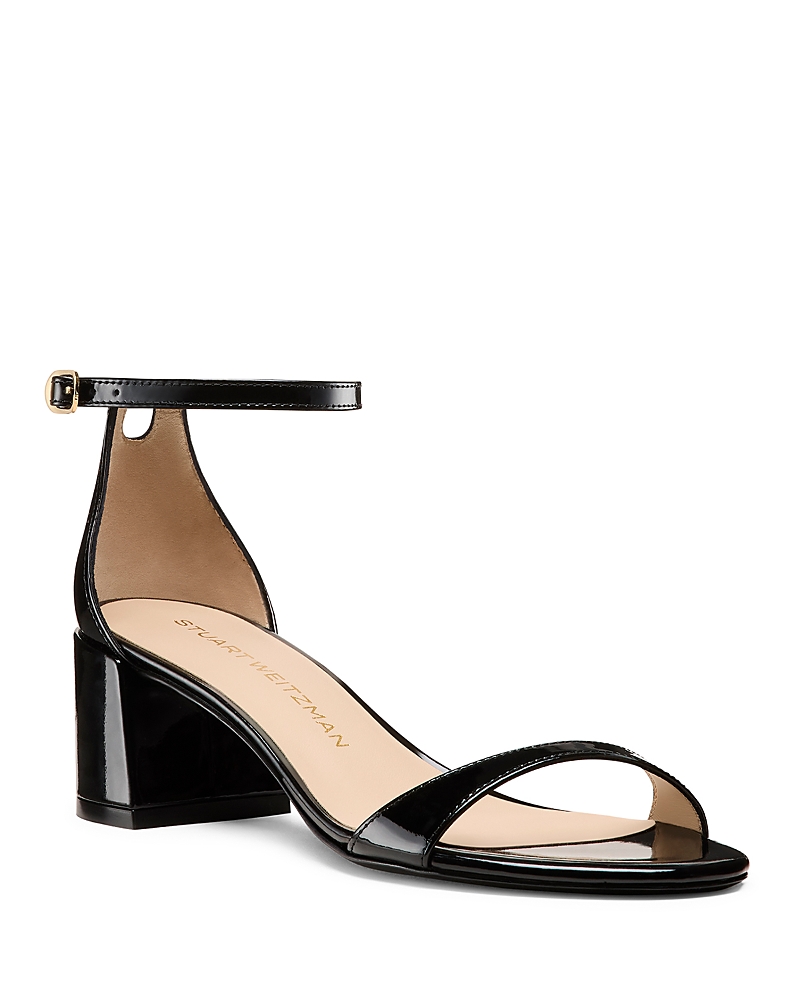

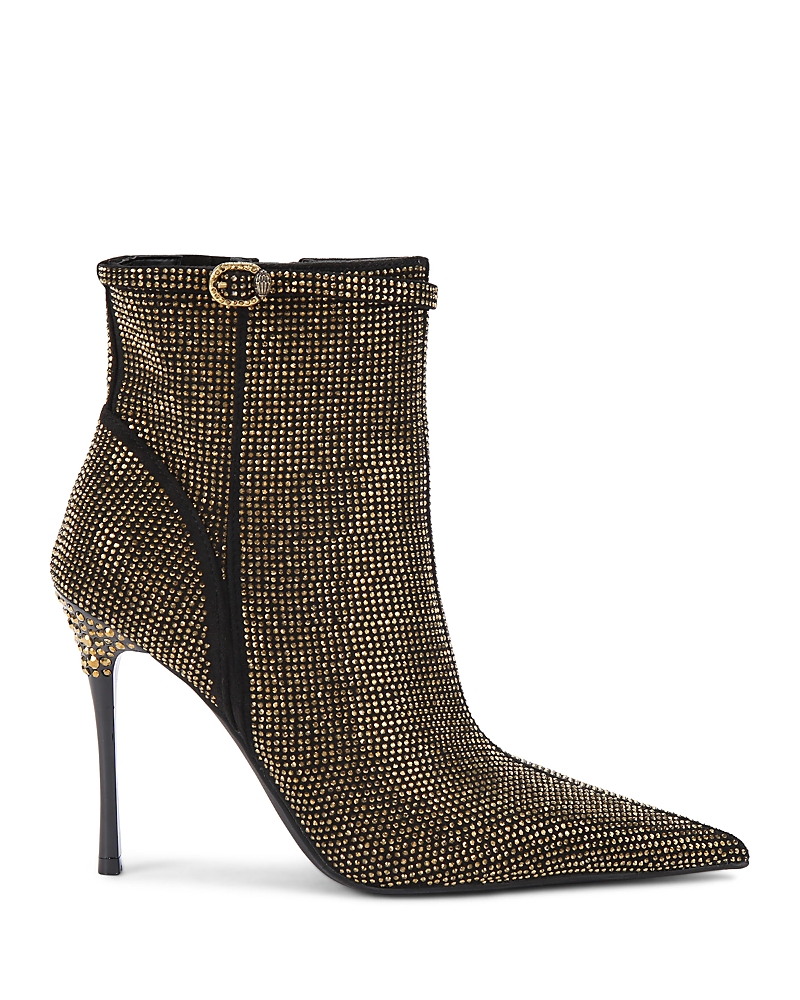
We may earn a commission if you buy through these links, at no extra cost to you.