

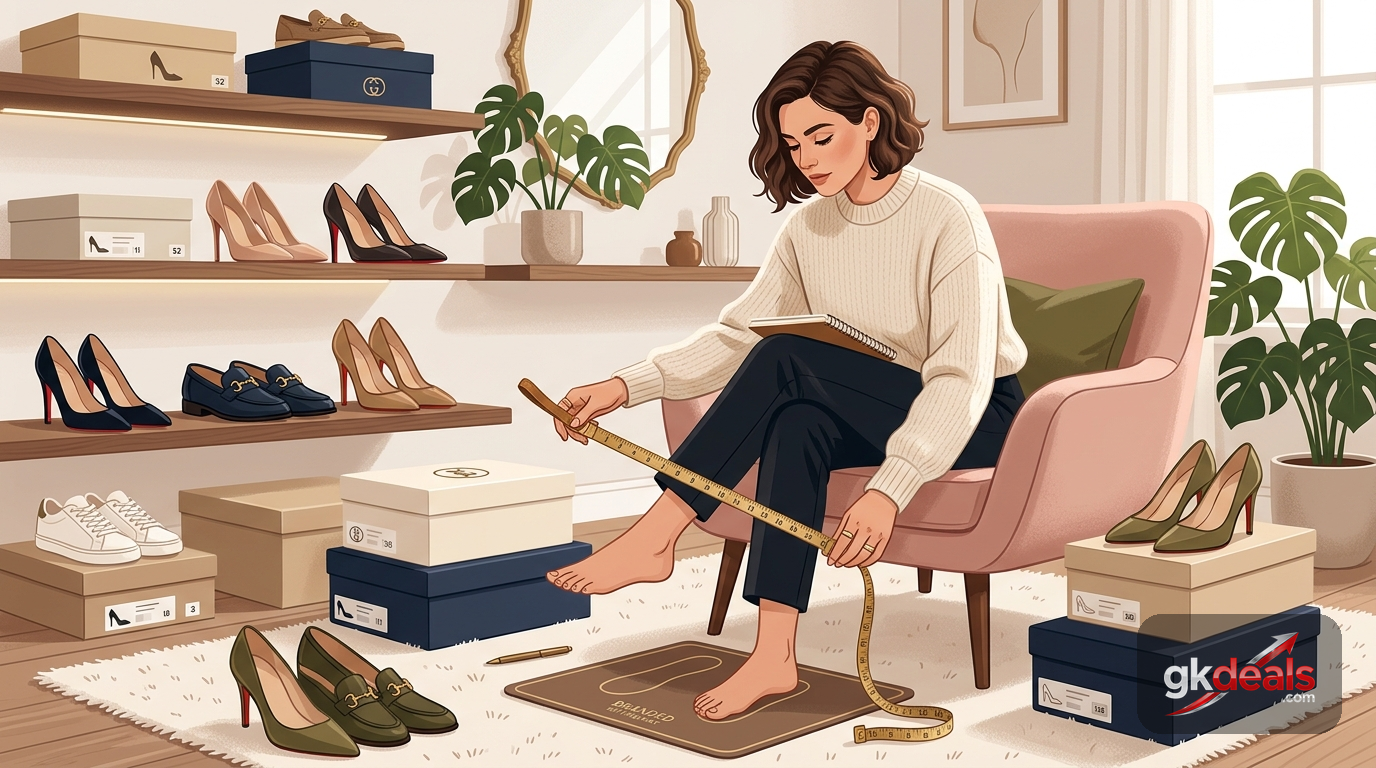
Finding your size in designer shoe brands can feel confusing, even if you know your usual size by heart. One brand's EU 39 may fit beautifully, while another feels too short, too narrow, or awkward through the instep. Add in pointed toes, heels, leather that stretches, and international size conversions, and it is easy to order the wrong pair.
The good news is that you can shop much more confidently with a simple process. By measuring your feet properly, understanding how designer brands build their shoes, and knowing what details affect fit most, you can reduce returns and choose shoes that feel as good as they look.
Why designer shoe sizing feels different
Designer shoes often fit differently from mass-market footwear because the fit is shaped by the brand's last, which is the foot form used to construct the shoe. Each brand develops its own proportions for toe shape, heel placement, arch curve, and width. That means your best size is not always identical across labels.
Materials also matter. Premium leather uppers may feel snug at first and then soften with wear, while patent finishes and structured linings can feel firmer. Heel height changes fit too, because your foot slides forward differently in a flat, a block heel, or a sharply angled pump. Even within the same brand, ankle boots, slingbacks, loafers, and pointed-toe styles may fit differently.
This is why relying only on your usual size is risky, especially when buying a designer pair online. A better approach is to combine your measurements with style-specific fit clues.
Why getting the right size matters
The right size affects much more than comfort on day one. Good fit helps with posture, stability, break-in time, and how often you actually reach for your shoes. A beautiful pair that pinches your toes or slips at the heel tends to stay in the closet, no matter how premium it looks.
Choosing the correct size is also especially important in designer footwear because the investment is usually higher. When you spend more, you want better wear, better support, and fewer mistakes. A smart fit strategy protects your budget and helps you buy shoes you will wear for seasons rather than just admire from the box.
How to measure your feet correctly at home
Start with a fresh measurement, even if you think you already know it. Feet can change over time due to age, pregnancy, weight fluctuations, and daily swelling.
What you need
- A sheet of paper larger than your foot
- A pen or pencil
- A ruler or measuring tape
- The type of socks or hosiery you plan to wear with the shoes
Steps to measure length
- Measure at the end of the day, when feet are slightly fuller.
- Stand on the paper with your weight evenly distributed.
- Trace around each foot or mark the heel and longest toe.
- Measure from the back of the heel to the longest toe in centimeters.
- Use the larger foot measurement when choosing size.
Steps to check width
- Measure the widest part of your foot across the ball.
- Compare that width to any brand chart that includes width guidance.
- Note if one foot is noticeably wider, higher in the instep, or more prone to rubbing.
Centimeters are usually more helpful than relying on US, UK, or EU numbers alone. Many designer size charts are built around foot length first, then translated into regional sizing.
How to use size charts without getting misled
Not all size charts are created equally. Some show the recommended foot length, while others show the internal shoe length. That difference matters. You generally want a shoe that is slightly longer than your foot, not an exact match, to allow natural movement.
When checking a chart, look for these details:
- Whether the chart is based on foot length or shoe length
- Whether the brand uses EU, UK, US, or Italian sizing
- Any notes about the style running large, small, narrow, or wide
- Material details, especially if the upper is leather and likely to relax
If a brand offers both a general size chart and a style-specific fit note, trust the style-specific guidance more. A pointed-toe ankle boot can fit very differently from a round-toe loafer from the same label.
Key fit factors that affect designer shoes
Toe shape
Pointed toes often feel shorter because they taper inward, even when the shoe length is technically correct. If you have a wider forefoot or longer toes, you may prefer a little more room or a style known for a less aggressive point.
Heel height and pitch
The higher the heel, the more your foot shifts forward. In heels and heeled boots, the fit through the toe box becomes even more important. Block heels tend to offer more stability than narrower heels, but you still want secure hold at the heel and ankle.
Upper material
Smooth leather usually softens and molds over time. Suede can feel forgiving fairly quickly. Patent and heavily finished leathers often stretch less and may feel firmer against pressure points. If a shoe is painfully tight from the start, do not assume it will magically break in enough.
Boot shaft and ankle opening
With ankle boots, overall fit is not only about the footbed. The shaft opening, ankle shape, and placement of zippers or gussets affect comfort and ease of wear. A boot can be the right size in length but still feel restrictive if the ankle fit is too tight.
Insole and lining
Cushioned insoles, leather linings, and supportive footbeds can change how a shoe feels compared with a more minimal construction. If you plan to add inserts, account for that when choosing size, since inserts can reduce interior volume.
Practical tips for finding your best size online
- Read customer reviews for patterns, not just opinions. Look for repeated comments like runs narrow, fits true to size, or best for slim feet.
- Prioritize reviews from shoppers who mention foot shape, width, arch height, or common size comparisons.
- Compare the exact style to shoes you already own with a similar toe shape and heel height.
- Check return policies before ordering, especially for final-sale designer items.
- If you are between sizes, decide based on the style. Structured pointed toes may require more caution than soft loafers.
- Consider when you will wear the shoes. Barefoot, thin tights, and thicker socks can all affect fit.
- Look at product photos from multiple angles to judge toe taper, instep depth, and ankle shape.
If you are truly between sizes and cannot try both, it often helps to choose based on your dominant fit issue. If shoes usually feel too short, prioritize length. If heels tend to slip, avoid sizing up too quickly unless reviews strongly suggest it.
What to look for when buying designer shoes
Accurate, detailed fit notes
The best product listings do more than show a size dropdown. They mention whether the style runs true to size, narrow, or roomy, and they often describe the toe shape and materials clearly.
Quality construction
Look for well-shaped uppers, stable heel attachment, smooth lining, and materials that will age well. Better construction supports fit because the shoe holds its shape properly instead of collapsing or rubbing in the wrong areas.
Comfort features that match the style
For heeled designer shoes and ankle boots, useful features can include padded footbeds, secure ankle support, a manageable heel height, and soles with enough traction for real-world wear.
Versatility
A designer purchase feels smarter when the shoe works with multiple outfits and occasions. Neutral shades, wearable heel heights, and balanced proportions often deliver the most value per wear.
Brand consistency
Once you find a designer brand that suits your foot shape, future shopping gets easier. Keep notes on what size worked, what materials felt best, and whether you needed extra room in pointed styles or boots.
Common sizing mistakes to avoid
- Buying only by your usual US size without checking conversions
- Ignoring width and focusing only on length
- Assuming all leather shoes will stretch enough to solve a poor fit
- Forgetting that pointed toes can feel snugger than round or almond toes
- Measuring feet while sitting instead of standing
- Not checking style-specific reviews and fit comments
A slightly snug, high-quality shoe may break in nicely, but a shoe that causes immediate pain, major toe compression, or heel instability is usually the wrong fit.
Final thoughts before you buy
Finding your size in designer shoe brands is less about guessing and more about using a reliable method. Measure your feet, compare charts carefully, factor in toe shape and material, and pay attention to fit notes that match the exact style you want. When you do that, you are far more likely to choose a pair that feels polished, supportive, and worth the investment. If you are ready to narrow your options, the selections below are a great place to start, especially if you want a refined silhouette with the kind of fit details that matter in everyday wear.
Our Top Recommendations
Based on this guide, here are hand-picked products from our partners that we recommend:
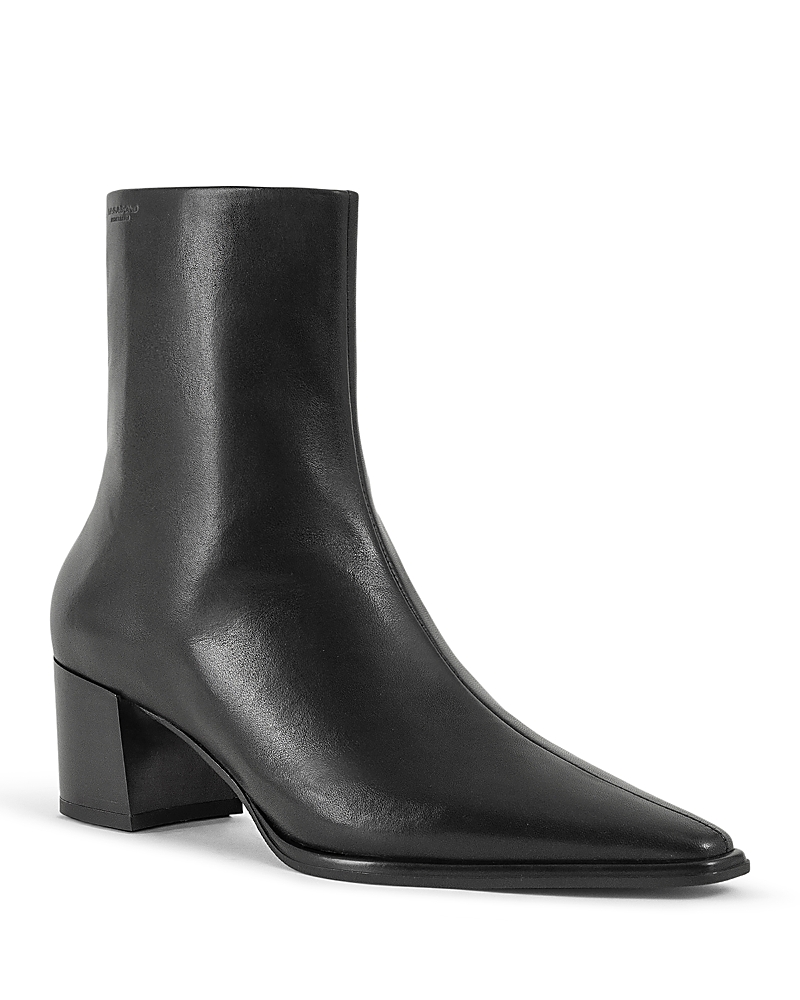
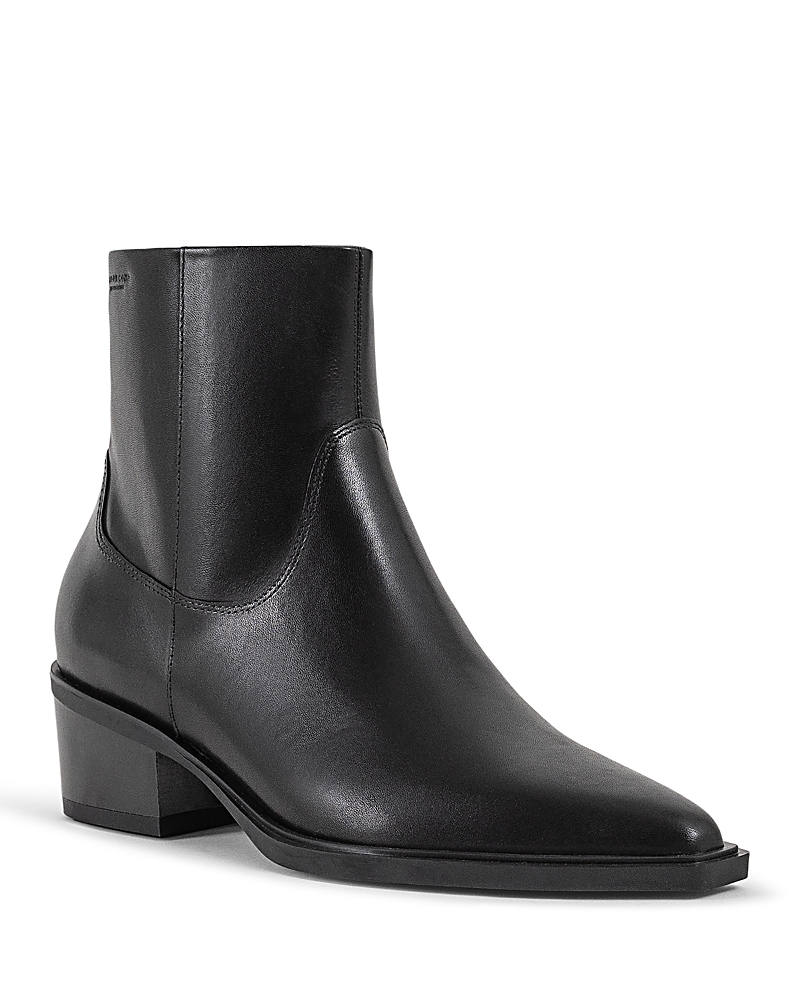
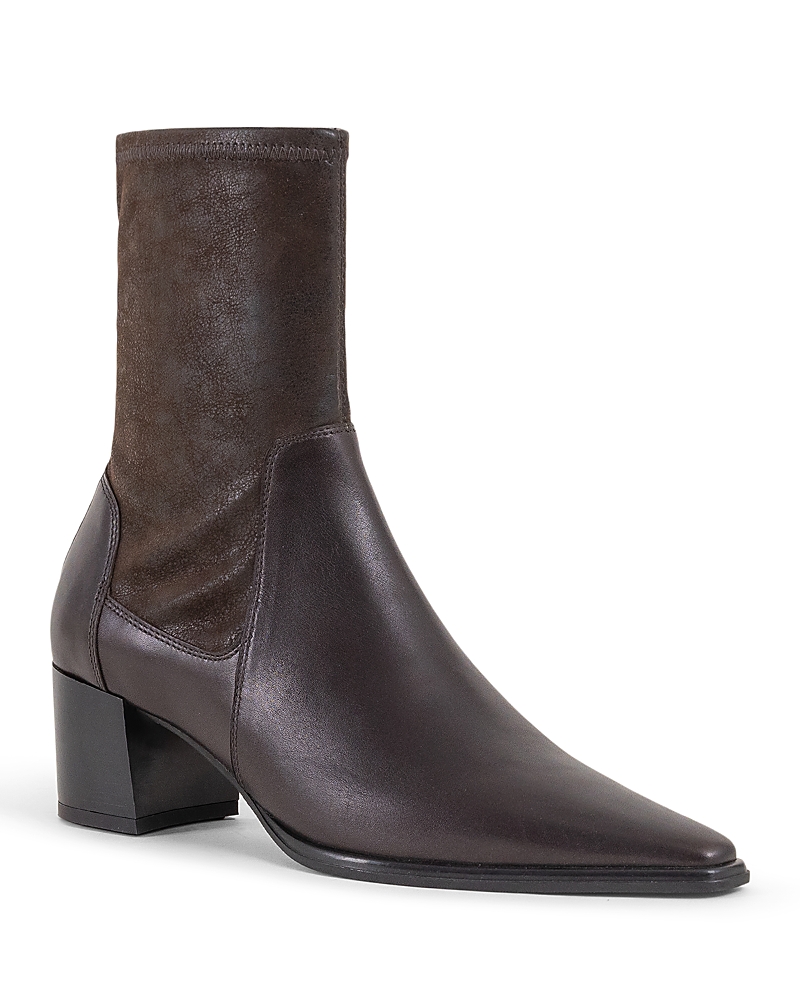
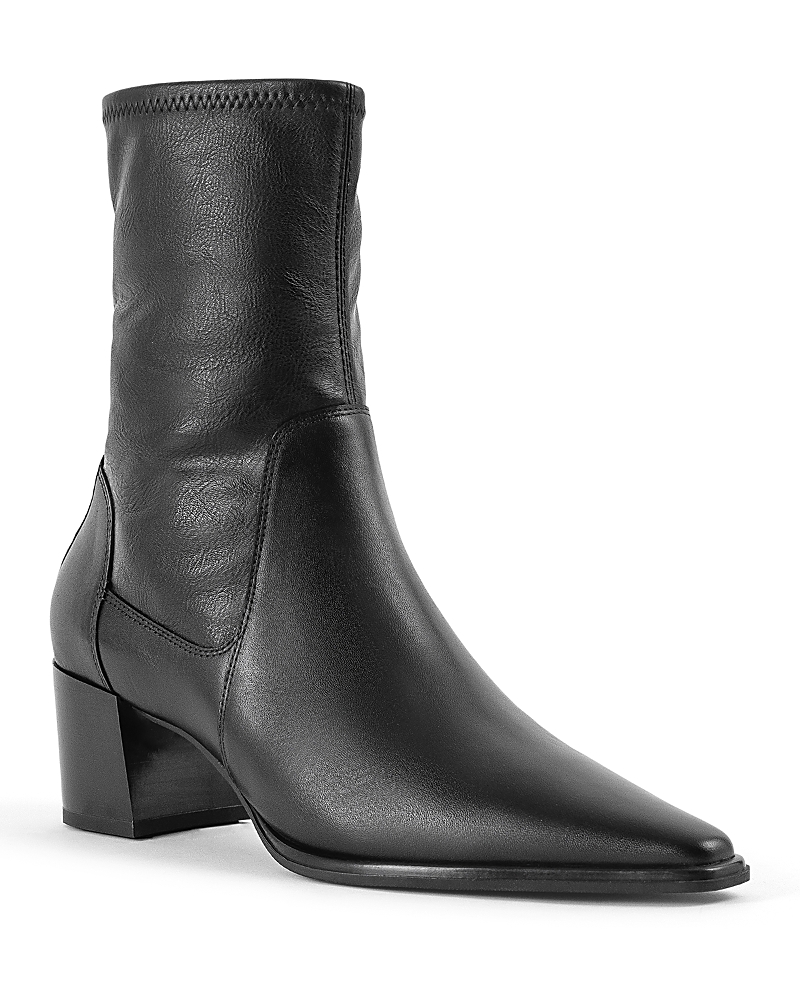
We may earn a commission if you buy through these links, at no extra cost to you.