
When shoppers ask whether leather soles or rubber soles last longer, the honest answer is: it depends on where and how you wear them. A well-made leather sole can age beautifully and be resoled multiple times, while a quality rubber sole often resists water, abrasion, and daily punishment better right out of the box. The better choice is not simply the one that survives the most steps on paper, but the one that holds up best for your routine, climate, and expectations.
If you are choosing between dress shoes, loafers, ankle boots, or everyday city footwear, sole material makes a real difference in longevity, comfort, traction, maintenance, and total value. Understanding those trade-offs helps you buy smarter and avoid shoes that look great at first but wear out faster than expected.
Leather sole vs rubber sole: the short answer
For most people, rubber soles last longer in everyday conditions, especially if you walk on concrete, deal with wet weather, or wear the same pair often. Rubber typically offers better grip, better water resistance, and better resistance to abrasive urban surfaces.
That said, leather soles can last a very long time in the right setting. On high-quality shoes, leather soles are often easier to resole, mold nicely to the foot over time, and deliver the refined appearance many buyers want in formal or luxury footwear. If your shoes are worn mainly indoors, to the office, or for occasional dress use, leather can be an excellent long-term choice.
Why sole durability matters
The sole is the part of the shoe that takes constant impact, friction, moisture, and pressure. Even a premium upper will not save a shoe if the sole wears through too quickly. That is why durability matters for more than just replacement cost.
- Comfort over time: As soles wear down, cushioning, support, and stability can decline.
- Safety: Worn soles reduce traction and can become slippery, especially in rain.
- Appearance: Sole wear changes the shape and profile of the shoe and can make even expensive footwear look tired.
- Resale or repair value: Better-constructed shoes with durable, repairable soles often justify a higher upfront investment.
In other words, lasting longer is not just about getting more months from a pair. It is about keeping the shoe wearable, polished, and dependable throughout its life.
How leather soles wear in real life
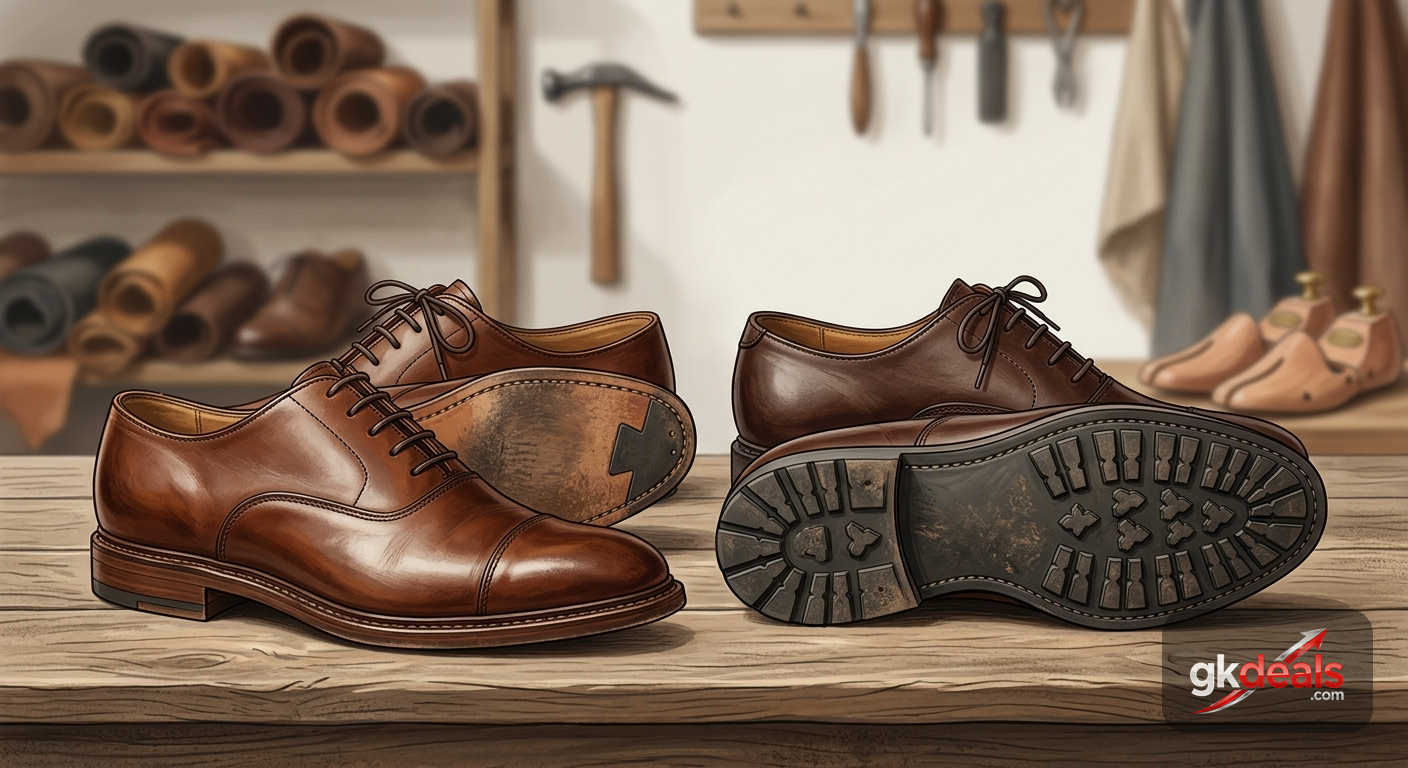
Leather soles are prized for elegance, flexibility, and a classic feel underfoot. Many dress shoes and upscale loafers use them because they complement refined styling and create a sleek silhouette. Over time, leather also tends to conform to the shape of your gait, which some wearers love.
But leather has clear durability limits. It can wear down faster on rough pavement, absorbs moisture more easily, and becomes slippery when wet or overly smooth from wear. If you commute on city sidewalks daily, walk long distances, or regularly encounter rain, untreated leather soles usually show wear sooner than rubber.
Leather sole strengths
- Elegant, traditional look
- Can feel breathable and flexible
- Often found on higher-end, repairable footwear
- Can be resoled by a skilled cobbler
Leather sole drawbacks
- Less grip on wet or slick surfaces
- Can wear faster on concrete and asphalt
- More vulnerable to water damage
- May need protective care or a sole guard
For buyers who rotate their shoes, avoid bad weather, and care about a dressier finish, leather soles can still provide excellent long-term value. They simply perform best when matched to the right use case.
How rubber soles wear in real life
Rubber soles are usually the more practical option for modern daily wear. They tend to resist abrasion better, hold up better in wet conditions, and provide more traction. For commuting, travel, frequent walking, and mixed weather, rubber often wins on pure durability.
Not all rubber soles are equal, however. Dense, well-bonded rubber outperforms cheap, soft compounds that can crack, compress, or separate from the upper. A premium rubber outsole on a well-made shoe can give years of regular service, especially if the rest of the construction is solid.
Rubber sole strengths
- Usually better traction
- Better performance in rain and damp conditions
- Often more durable on hard urban surfaces
- Lower maintenance for most wearers
Rubber sole drawbacks
- Can look bulkier or less formal
- Some lower-quality rubber compounds wear unevenly
- May not have the same classic feel as leather
- Not every rubber-soled shoe is easy to resole
If your top priority is getting the most wear with the least fuss, rubber soles are usually the safer buy.
What actually determines which sole lasts longer?
Sole material matters, but it is only part of the story. These factors often matter just as much:
1. Where you walk
Concrete and asphalt are hard on shoes. Leather soles tend to wear down faster on rough city streets, while rubber handles abrasive surfaces better. On carpeted offices, indoor events, or smoother flooring, leather soles can last much longer.
2. Weather exposure
Rain, slush, and puddles accelerate wear on leather soles. Rubber is naturally better suited to wet climates and year-round use.
3. How often you wear the same pair
Daily wear without rest shortens the life of any shoe. Rotating pairs gives soles and uppers time to dry out and recover, which can significantly extend lifespan.
4. Construction quality
A high-end leather sole on a well-made shoe may outlast a poorly made rubber sole. Look at welted or otherwise repairable construction, clean attachment, and overall craftsmanship.
5. Your body weight and gait
Heavier wearers or those who strike hard on the heel or toe will see faster sole wear regardless of material. Uneven wear patterns may also signal the need for better fit or support.
Practical tips to make either sole last longer
- Rotate your shoes: Avoid wearing the same pair every day if possible.
- Keep them dry: Let wet shoes air-dry naturally away from direct heat.
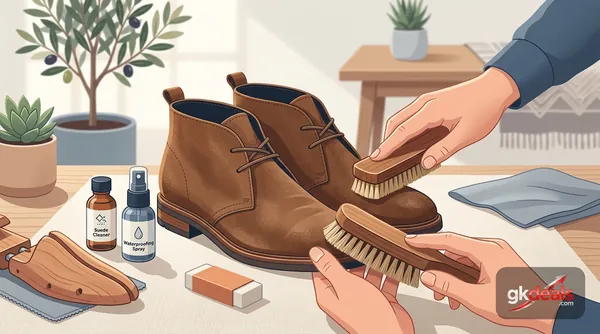
- Use shoe trees: They help preserve shape and manage moisture in leather footwear.
- Add a sole protector if needed: Thin protective toppers can help leather soles last longer in city use.
- Replace heel caps early: Worn-down heels can alter gait and accelerate sole damage.
- Clean soles and inspect them: Catching wear early makes repair easier and cheaper.
- Resole quality shoes before severe damage: If the upper is excellent, timely repair can extend life dramatically.
These small habits often matter more than buyers expect. A quality pair that is maintained well can outperform a cheaper pair with the “right” sole material.
What to look for when buying
If you want the longest-lasting option for your needs, shop beyond the simple leather-versus-rubber label.
Choose leather soles if you want:
- A refined, dressier appearance
- Shoes for office, events, or occasional wear
- A traditional luxury feel
- The possibility of resoling a high-quality pair
Choose rubber soles if you want:
- Everyday practicality
- Better traction and weather resistance
- Frequent walking comfort
- A lower-maintenance option for regular use
Also check these buying details
- Construction: Welted or other repair-friendly builds usually offer better long-term value.
- Sole thickness: Extremely thin soles may wear faster, especially on hard surfaces.
- Heel durability: The heel often wears before the forefoot, so inspect materials carefully.
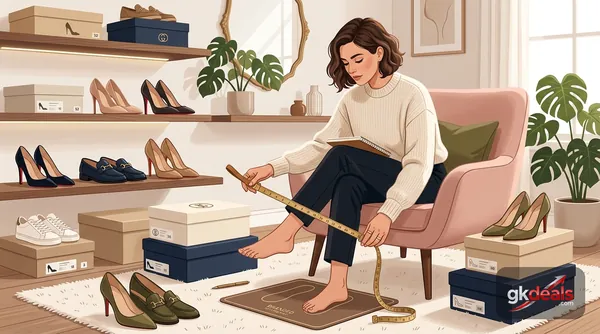
- Fit: Poor fit increases friction and uneven wear.
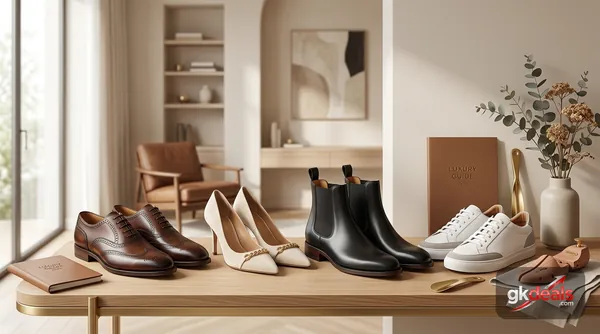
- Use case: Match sleek leather soles to dress settings and durable rubber soles to commuting, travel, or wet-weather wear.
So, which lasts longer?
If you want the most universally durable choice, rubber soles usually last longer for everyday wear. They handle moisture better, grip better, and generally stand up better to modern walking surfaces. If you need one pair to work hard with minimal fuss, rubber is often the smarter investment.
If your priority is elegance, classic shoemaking, and occasional or indoor-heavy wear, leather soles can last impressively well, especially on high-quality footwear that can be maintained and resoled. They are not fragile by definition; they are simply more specialized.
The best purchase comes down to your lifestyle. If you spend most of your time in offices, dinners, and formal settings, a beautiful leather-soled shoe or boot can be worth it. If you need dependable traction, all-day city wear, or better performance in mixed weather, a rubber-soled style will likely serve you longer. With that in mind, the best options are the ones that pair quality materials with the sole type that fits how you actually live—and the selections that follow make that choice easier.
Our Top Recommendations
Based on this guide, here are hand-picked products from our partners that we recommend:


We may earn a commission if you buy through these links, at no extra cost to you.