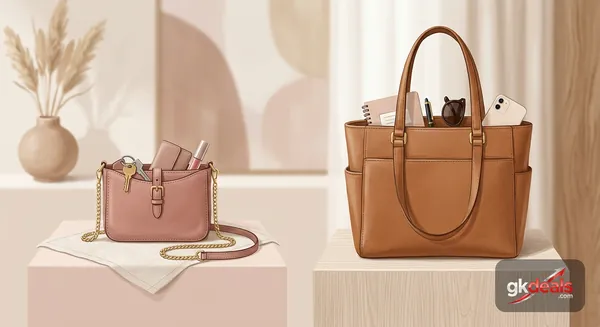

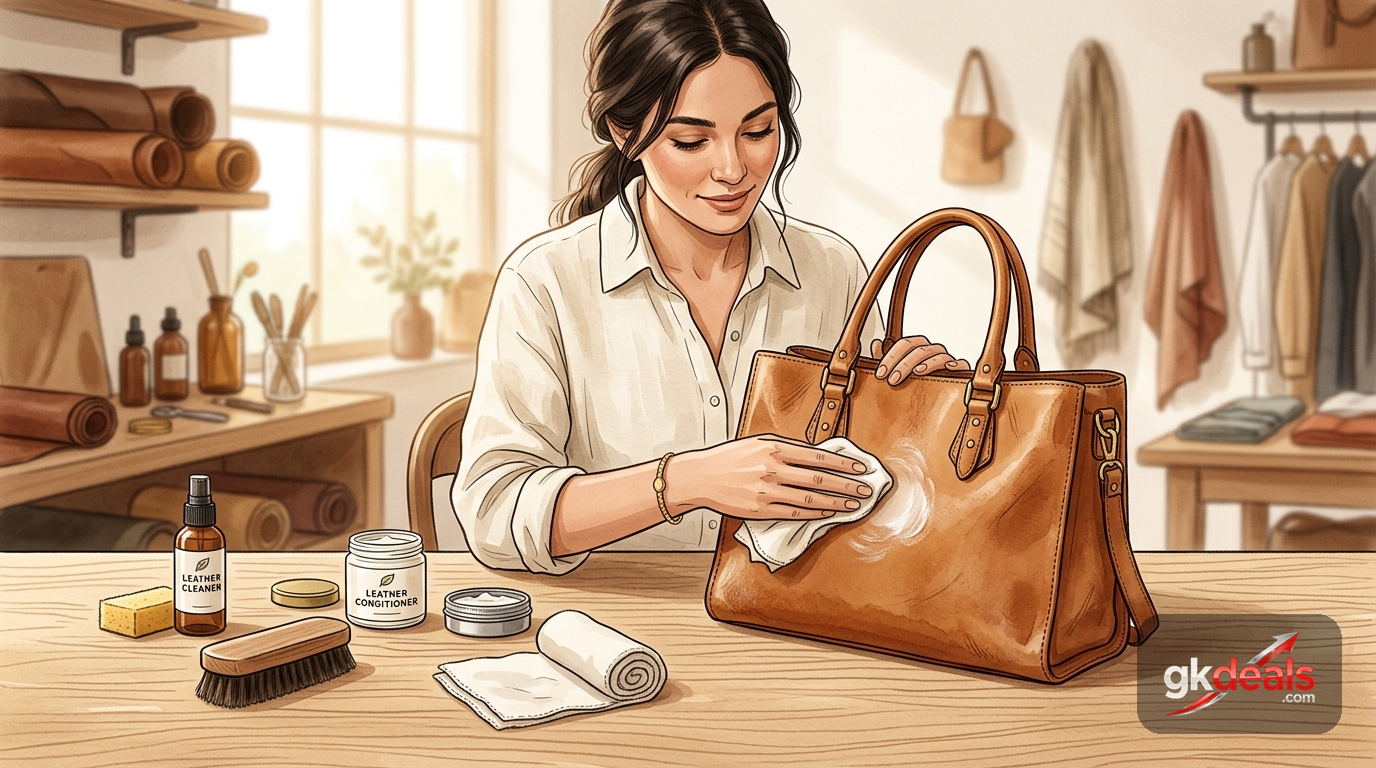
A leather handbag is one of those accessories that can look even better with age, but only when it is cared for correctly. Daily use exposes leather to body oils, dust, spills, friction, and changing humidity, all of which can dry it out or leave it looking dull and worn. The good news is that routine maintenance does not have to be complicated. With the right method and a few quality supplies, you can clean and condition a leather handbag at home while preserving its texture, color, and structure.
This guide walks you through how to clean a leather handbag safely, when to condition it, what mistakes to avoid, and what to look for if you are buying leather-care products or a new handbag that will be easier to maintain.
Why Proper Leather Care Matters
Leather is durable, but it is still a natural material. Unlike synthetic fabrics, it can dry out, crack, absorb stains, and lose flexibility if neglected. Dirt and oils may seem harmless at first, yet over time they break down the finish and leave the surface uneven or sticky. Conditioning helps restore moisture and suppleness, while regular cleaning removes residue before it becomes permanent.
Proper care matters for a few important reasons:
It preserves appearance: Leather stays smoother, richer in color, and more polished when surface buildup is removed regularly.
It extends lifespan: Conditioning helps reduce stiffness and cracking, especially at handles, corners, and fold points.
It protects your investment: Quality leather handbags are often a long-term purchase, and maintenance helps them keep their shape and finish.
It improves everyday use: Clean, soft leather feels better in hand and is less likely to develop deep wear marks.
If your bag is made of unfinished, suede, nubuck, patent, or exotic leather, check the brand's care instructions before using any cleaner or conditioner. Those materials often require specialized products and techniques.
What You Need Before You Start
Before cleaning your handbag, gather a few basics. Using the right tools helps you avoid over-wetting or scratching the leather.
A soft, dry microfiber cloth
A second clean cloth for buffing
A leather cleaner or a mild leather-safe soap
A leather conditioner designed for handbags or fine leather goods
Cotton swabs for seams and hardware edges
A soft-bristled brush for dust, if needed
Avoid harsh household products such as bleach, ammonia, vinegar-heavy DIY mixtures, baby wipes, alcohol, furniture polish, or all-purpose cleaners. These can strip the finish, discolor the leather, or leave a residue that attracts more dirt.
How to Clean a Leather Handbag Step by Step
1. Empty the Bag Completely
Remove everything from inside, including small items tucked into pockets. Shake out crumbs and debris, then turn the lining out gently if possible. If the interior is fabric, use a lint roller or a handheld vacuum on low suction to remove dust.
2. Dry Dust the Exterior First
Use a clean microfiber cloth to wipe down the outside of the bag. Focus on handles, the base, corners, and flap edges where dirt tends to collect. This first step is important because rubbing cleaner over dusty leather can grind particles into the surface.
3. Spot-Test Any Cleaner
Before applying cleaner to the full bag, test it in a small hidden area. Wait a few minutes to make sure there is no darkening, spotting, or change in texture. Even products labeled as leather-safe can react differently depending on the finish.
4. Clean Gently in Sections
Apply a small amount of leather cleaner to a cloth rather than directly onto the bag. Wipe one section at a time using light, circular motions. Do not soak the leather. Less product is usually better, especially on smooth or lightly finished leather.
For seams, piping, or areas near hardware, use a cotton swab or the corner of your cloth. If the bag has visible stains, resist the urge to scrub aggressively. Repeated gentle passes are safer than forceful rubbing, which can damage the grain or fade the color.
5. Wipe Away Residue
After cleaning, use another soft cloth to remove any leftover product. The surface should feel clean, not tacky or wet. Let the bag air dry naturally away from direct sunlight, radiators, or hair dryers, which can dry out and warp leather.
How to Condition a Leather Handbag
Once the bag is clean and fully dry, conditioning helps replenish moisture and maintain flexibility. This is especially useful if the leather feels stiff, looks dull, or shows dryness around stress points.
1. Use a Small Amount
Apply a pea-sized amount of conditioner to a soft cloth. A little goes a long way. Over-conditioning can leave buildup, soften the structure too much, or darken the leather unevenly.
2. Massage It In Evenly
Work the conditioner into the leather using gentle circular motions. Cover the bag evenly, paying special attention to handles, corners, and areas that bend frequently. Avoid saturating stitched edges or letting excess product collect around hardware.
3. Let It Absorb
Allow the conditioner to sit according to the product directions, usually a few minutes. Then buff the surface lightly with a dry cloth to restore a natural sheen.
4. Do Not Overdo It
Most leather handbags only need conditioning every few months, depending on climate and use. Bags carried daily in dry weather may need more frequent care than occasional-use bags stored properly indoors.
Common Mistakes to Avoid
Even well-intentioned cleaning can cause damage if the method is too aggressive. Avoid these common errors:
Using too much water: Leather and excessive moisture do not mix well. Water can stain, stiffen, or distort the material.
Skipping the patch test: Always test cleaners and conditioners before full application.
Scrubbing stains hard: This can remove dye or rough up the finish.
Drying in heat or direct sun: Fast drying often leads to brittleness and fading.
Applying random DIY remedies: Popular internet hacks may do more harm than good on premium leather.
Conditioning a dirty bag: Seal in grime first, and the bag may look worse instead of better.
Tips to Keep a Leather Handbag Looking New Longer
Good maintenance is easier than deep restoration. These habits can help extend the life of your handbag between cleanings:
Store the bag stuffed with tissue or a handbag shaper to help it hold its form.
Keep it in a breathable dust bag rather than a plastic container or sealed plastic bag.
Rotate handbags if you carry leather daily to reduce wear on handles and corners.
Wipe the bag down lightly every week or two to prevent buildup.
Protect it from rain when possible, and blot moisture immediately if it gets wet.
Avoid overloading the bag, which can strain seams and distort the leather.
What to Look for When Buying Leather-Care Products
If you are shopping for a cleaner or conditioner, choose products made specifically for finished leather handbags rather than heavy-duty products meant for shoes, car interiors, or furniture. The formula should be gentle, easy to apply, and free from harsh solvents.
Look for these features:
Leather-specific labeling: It should clearly state that it is safe for handbags or fine leather accessories.
Non-greasy finish: A good conditioner softens without leaving the bag sticky or overly shiny.
Color-safe formula: Especially important for light, bright, or richly dyed leather.
Simple directions: Products that are easy to apply are more likely to be used consistently.
Trusted reviews: Look for feedback from people using it on bags, not just boots or upholstery.
What to Look for in a Leather Handbag That Is Easy to Maintain
If you are considering a new leather handbag, some designs and finishes are simply easier to care for than others. Smooth, finished leather tends to resist stains and surface dirt better than delicate untreated leather. Structured bags often hold their shape longer, while quality stitching and reinforced handles stand up better to regular cleaning and conditioning.
When comparing handbags, consider:
The type of leather and whether it has a protective finish
The color, since very light shades may show marks more easily
The bag's structure and whether it resists sagging
The quality of handles, corners, and base panels
Whether the brand provides clear care instructions
A well-made leather tote or everyday handbag is easier to maintain, responds better to conditioning, and is more likely to stay attractive after years of regular use.
Once you know how to care for leather properly, it becomes much easier to choose a handbag worth investing in. The best options combine quality leather, durable construction, and finishes that are practical for real life, which is exactly what to keep in mind as you review the recommended bags that follow.
Our Top Recommendations
Based on this guide, here are hand-picked products from our partners that we recommend:
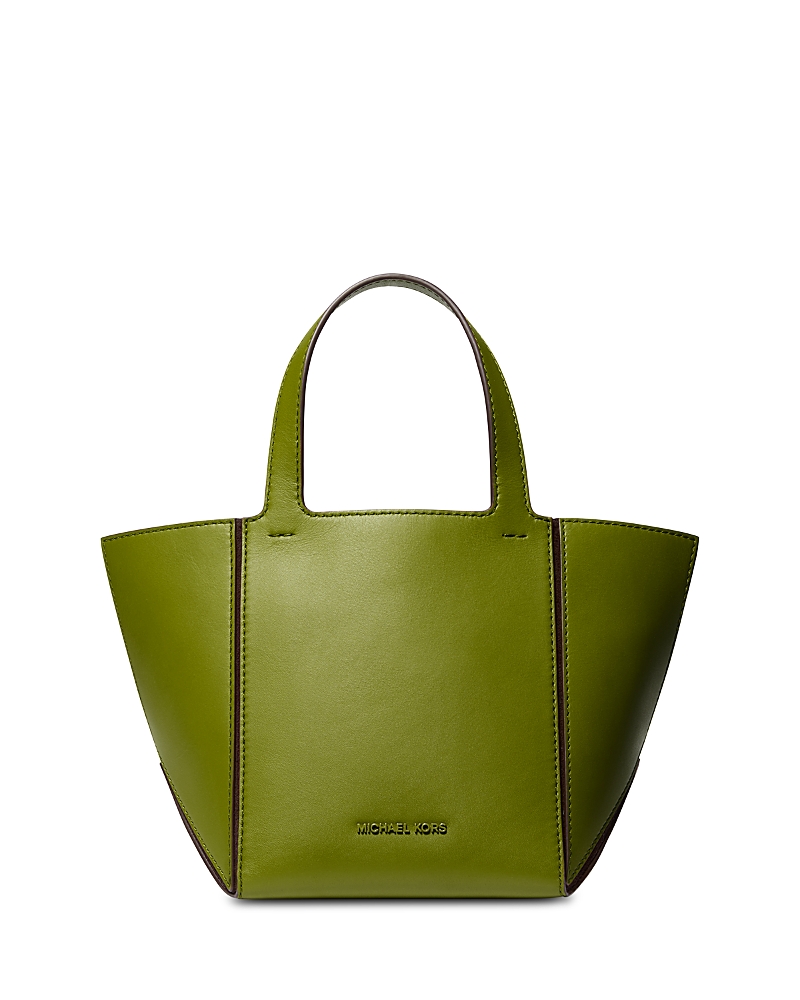
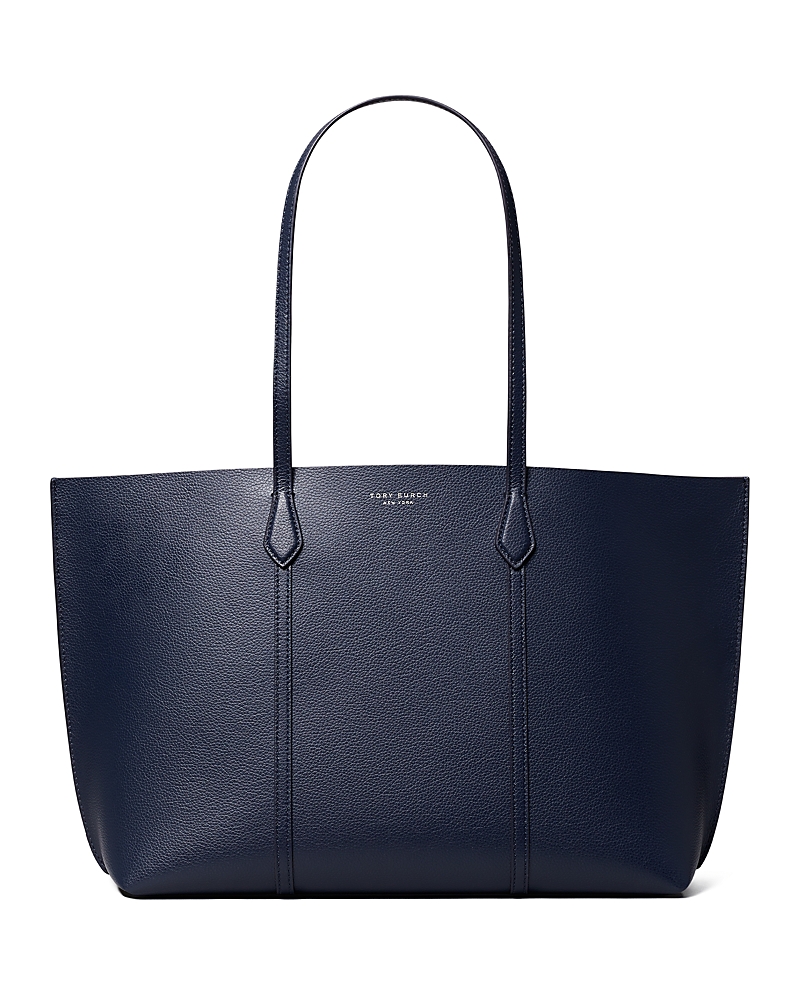
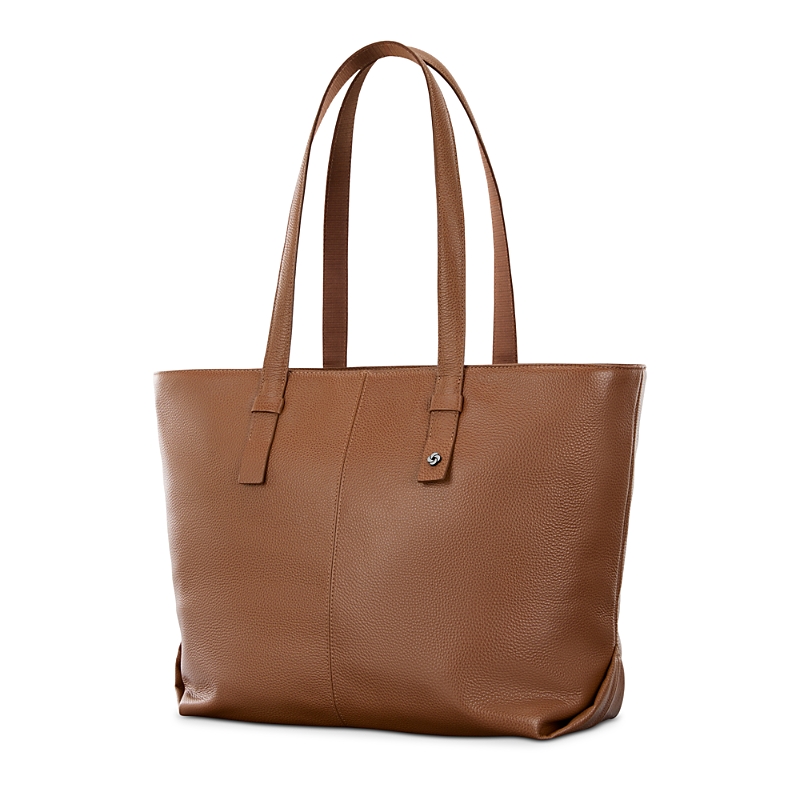
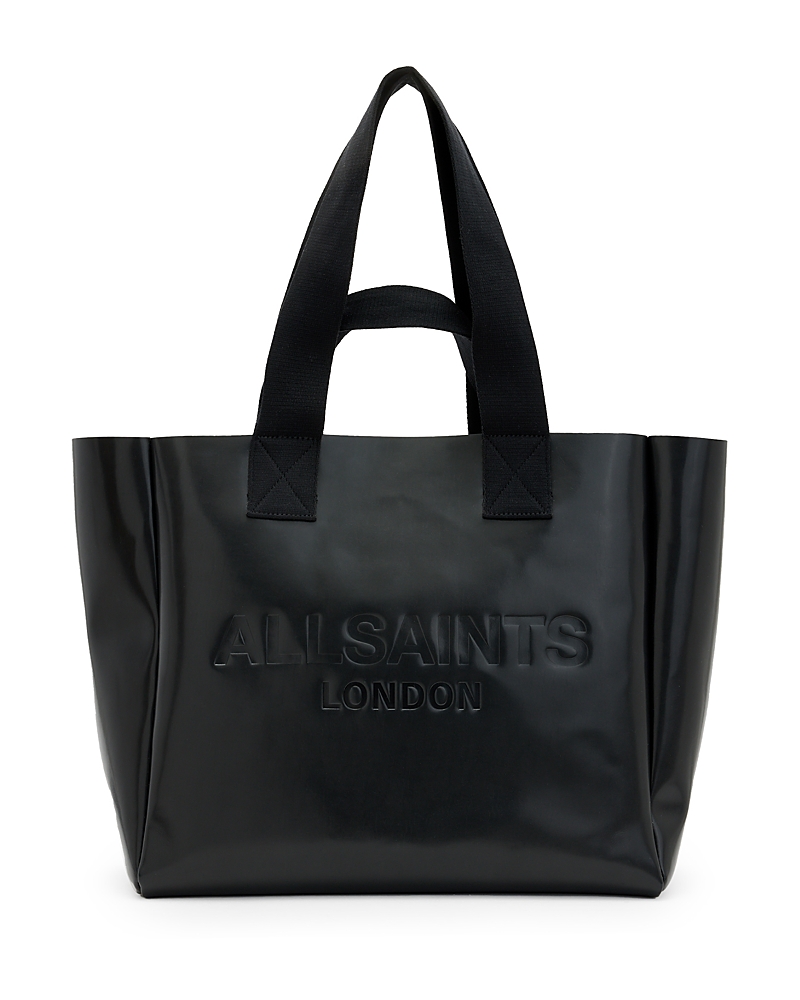
We may earn a commission if you buy through these links, at no extra cost to you.