


Choosing a designer handbag is not just about shape, hardware, or brand name. The type of leather plays a huge role in how a bag looks, feels, holds its structure, resists scratches, and ages over time. Two bags can seem similar online, yet perform very differently in everyday use simply because they are made from different leathers.
If you want a handbag that feels luxurious and still makes sense for your lifestyle, understanding leather types is one of the smartest ways to shop. Some leathers develop a rich patina and soften beautifully. Others are treated to resist scuffs, hold a crisp silhouette, or handle commuting and daily wear with less maintenance. Knowing the difference helps you buy with confidence instead of relying on photos alone.
Why leather type matters in a designer handbag
Leather affects far more than appearance. It influences durability, weight, flexibility, weather resistance, and the level of care a bag will need. A structured work tote, for example, often benefits from a firmer leather that keeps its shape. A relaxed everyday carryall may feel better in a softer leather that drapes naturally and becomes more comfortable with use.
Leather type also affects how “luxurious” a handbag feels in hand. Full-grain and top-grain leathers are often associated with higher quality because they retain more of the hide’s natural character and tend to age well. Corrected or heavily finished leathers can still be excellent for practical use, especially if you want a polished look and easier upkeep. The right choice depends on whether you value softness, durability, low maintenance, or a combination of all three.
Common leather types used in designer handbags
Full-grain leather
Full-grain leather is widely considered one of the most premium options. It uses the outermost layer of the hide and keeps the natural grain intact. This gives it character, strength, and a more authentic look. You may notice subtle markings or grain variation, which many shoppers see as part of its appeal.
Full-grain leather is usually durable and ages beautifully, often developing a patina over time. It is a strong choice if you want a handbag that feels substantial and improves with use. The tradeoff is that it may show scratches more easily, depending on the finish.
- Best for shoppers who want long-term quality and natural character
- Often ages very well
- May require more care than heavily treated leather
Top-grain leather
Top-grain leather is also high quality but has been lightly sanded or refined to create a more uniform surface. It is common in designer handbags because it balances luxury and practicality. It typically feels smooth, polished, and refined while still offering good durability.
This is often an excellent option if you want a premium leather bag that looks sleek and consistent. It usually resists wear a bit better visually than more natural, untreated hides.
- Best for a polished designer look
- Usually smoother and more uniform than full-grain
- Good balance of softness, durability, and style
Pebbled leather
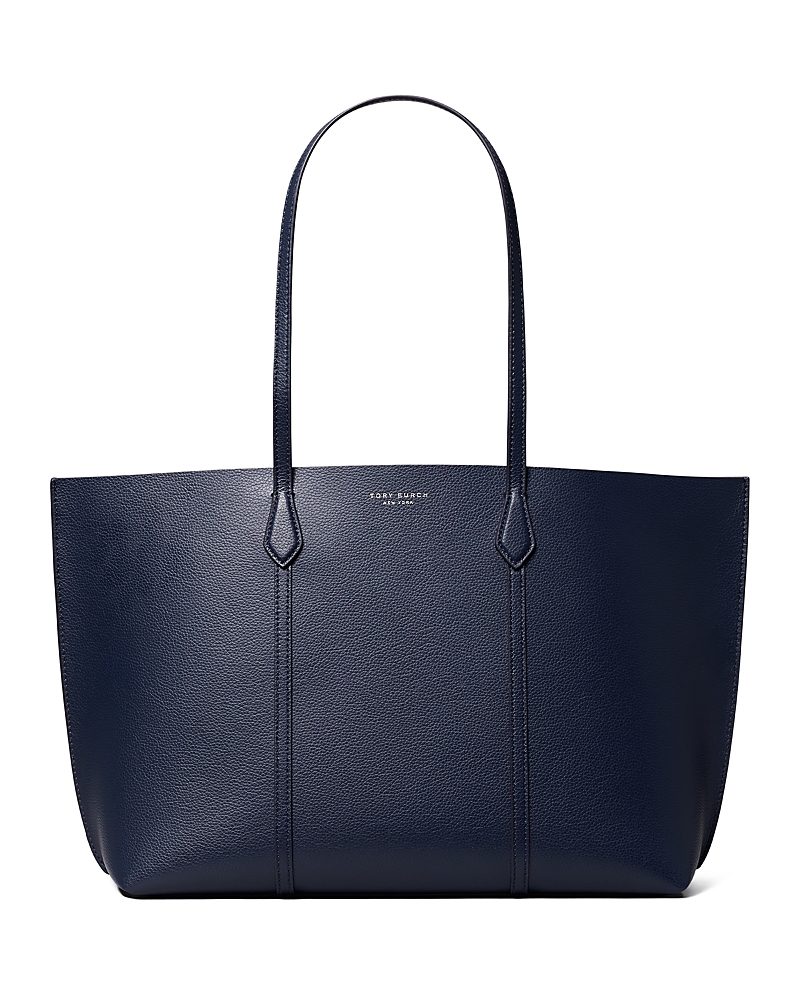
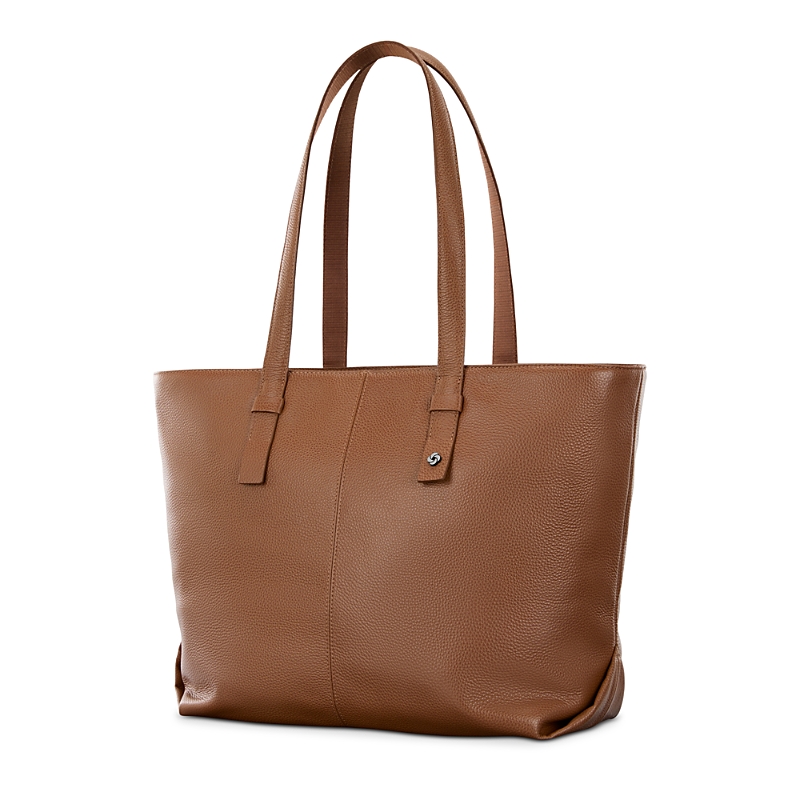
Pebbled leather refers to the textured surface rather than the grade alone, but it is one of the most popular finishes for designer handbags. The raised grain helps disguise scratches, scuffs, and signs of daily wear, which makes it especially appealing for totes and everyday bags.
If you commute, carry a lot, or want a handbag that still looks good with minimal fuss, pebbled leather is often one of the safest bets. It usually feels durable and forgiving while still looking elevated.
- Excellent for everyday use
- Texture helps hide wear and minor scratches
- Often ideal for work bags and carryall styles
Saffiano leather
Saffiano leather is a textured leather with a distinctive crosshatch pattern, usually finished with a protective coating. It has become especially popular in designer accessories because it is scratch-resistant, structured, and easy to wipe clean.
This leather is a smart choice for shoppers who want a bag that looks crisp and holds up well in busy routines. It tends to maintain its shape nicely, which works well for satchels, structured totes, and polished office bags. On the downside, it may feel less soft and natural than more supple leathers.
- Great for structure and easy care
- Resists scratches and light moisture better than many softer leathers
- Less slouchy and not as buttery-soft as some alternatives
Nappa leather
Nappa leather is known for its soft, smooth, luxurious feel. It is often used when brands want a handbag to feel supple and premium right away. This leather can be beautiful and elegant, especially in more refined or fashion-forward silhouettes.
The downside is that softer leathers like nappa may show scratches, corner wear, or stretching more quickly than tougher textured leathers. If touch and softness matter most to you, it can be worth the extra care.
- Very soft and luxurious to the touch
- Ideal for a high-end, supple feel
- Usually needs more careful handling
Patent leather
Patent leather has a high-gloss finish that creates a bold, polished look. While less common for versatile daily designer totes, it can be appealing if you want a statement bag or something more formal. It is easier to wipe clean, but it can show fingerprints and may be prone to color transfer or surface marks.
- Best for a dressier, high-shine look
- Easy to clean on the surface
- Less versatile for understated everyday wear
How to choose the best leather for your lifestyle
The best leather is not necessarily the most expensive or the softest. It is the one that fits how you actually use your handbag. Start by thinking about where and how often you will carry it.
For everyday commuting
If your bag will go to the office, on public transit, into coffee shops, and under airplane seats, prioritize durability and scratch resistance. Pebbled leather and saffiano-style finishes are usually excellent choices because they hide wear and stay presentable with less effort.
For a polished work bag
If you want structure and a professional appearance, look for firmer top-grain or textured leather that holds its shape. A bag that stands upright and resists slouching can feel more organized and intentional for work settings.
For luxury feel and softness
If your top priority is that rich, buttery hand-feel, softer smooth leather or nappa may be more satisfying. Just be realistic about maintenance. These leathers can be gorgeous, but they usually reward careful handling.
For long-term aging
If you love the idea of a handbag developing character over the years, full-grain leather is worth considering. It often gains personality with time rather than simply looking worn out.
What to look for when buying a leather designer handbag
Surface finish
Look closely at the leather texture and finish. Smooth leather can feel elegant but may show marks more easily. Textured leathers often handle real life better. Product descriptions that mention pebbled, grained, saffiano, or embossed finishes can tell you a lot about expected wear.
Structure and thickness
Press gently on the body of the bag if you can shop in person, or study side-angle images if shopping online. Thicker or more structured leather tends to hold shape better, while thinner, softer leather creates a relaxed look. Neither is better across the board, but they serve different needs.
Lining and interior support
A quality leather exterior matters, but interior construction matters too. A well-lined interior, reinforced base, and sturdy handles can extend the life of the bag. Leather that is beautiful but poorly supported may sag or wear prematurely.
Edge finishing and stitching
Check edge paint, seams, and stitching. Clean, even stitching and neatly finished edges are signs of better craftsmanship. These details matter because tote handles, corners, and opening edges often take the most stress.
Weight
Some premium leathers are heavier than they appear. If you carry a laptop, water bottle, or daily essentials, the bag’s empty weight matters. A gorgeous leather tote that feels too heavy before you fill it may not be practical for everyday use.
Maintenance needs
Always consider how much care you are realistically willing to give your bag. Some leathers benefit from conditioning and careful storage. Others are more forgiving and easier to maintain. If you want a low-effort luxury bag, lean toward treated or textured leather rather than very delicate smooth finishes.
Practical tips to keep leather handbags looking their best
- Store the bag upright and stuffed lightly to help maintain its shape.
- Keep it away from prolonged direct sunlight and heat, which can dry or fade leather.
- Use a dust bag when not in use.
- Wipe spills quickly with a soft, dry cloth.
- Be careful with dark denim and heavily dyed fabrics, which can transfer color.
- Rotate your bags rather than carrying the same one every day.
- Condition smooth leather occasionally if the manufacturer recommends it.
Understanding leather types makes it much easier to choose a designer handbag you will truly enjoy carrying. Whether you want a structured tote for work, a durable everyday bag, or a softer luxury piece that feels special from the start, the right leather can make all the difference in comfort, durability, and long-term value. With that in mind, the options below highlight handbags that suit different needs and preferences, making it easier to find a leather style that fits your routine and personal taste.
Our Top Recommendations
Based on this guide, here are hand-picked products from our partners that we recommend:
We may earn a commission if you buy through these links, at no extra cost to you.