
Once a leather bag moves beyond the $1,000 threshold, the conversation shifts from simple need to discernment. At this level, buyers are not just paying for carry capacity, but for design identity, tactile pleasure, construction choices, hardware presence, and the way a bag fits into daily life over years rather than seasons. The smartest way to shop luxury is to look past the headline price and ask a more useful question: what, exactly, is this bag delivering in return?
What the Price Tag Is Really Buying
Luxury leather bags command high prices because they combine several kinds of value at once. Part of that value is visible immediately: the silhouette, the finish, the way the hardware catches light, or the confidence of a recognizable shape. Another part reveals itself more slowly in wear, comfort, and practicality. A well-chosen bag can feel better to carry, pair more easily with a wardrobe, and retain its visual impact long after trend-driven pieces begin to date.
That does not mean every expensive bag is automatically worth its asking price. In this category, price often reflects a mix of design prestige, house codes, complexity of construction, and the desirability of the style itself. A structured top-handle bag, for example, may justify a premium through architecture and presence, while a shoulder bag may earn its keep by becoming the most-used item in your closet. Value is rarely one-size-fits-all; it depends on whether the bag’s strengths match the way you actually dress and move.
Leather, Feel, and First Impressions
When shoppers talk about a luxury leather bag feeling expensive, they are usually responding to a cluster of details rather than one single feature. There is the hand-feel of the leather, of course, but also how cleanly the shape holds, how polished the edges appear, and whether the bag looks considered from every angle. Names like calf leather can signal a more refined positioning, but even beyond leather type, what matters is harmony: the body, handle or strap, closure, and hardware should feel like they belong to one coherent design language.
In practical terms, some buyers will prefer the easy sophistication of a soft shoulder bag that molds into everyday wear, while others want the crisp confidence of a boxier style that reads dressed-up even with simple clothing. Neither is inherently better. The right question is whether the bag’s finish and form match your expectations for use. A bag that looks impeccable but feels too formal for your routine may offer less real value than one with easier day-to-day versatility.
- Look for a silhouette that feels intentional, not generic.
- Consider whether a softer or more structured shape better suits your wardrobe.
- Pay attention to visual balance between leather, hardware, and proportions.
- Ask whether the bag still feels compelling without styling support.
Hardware and Construction Matter More Than You Think
In luxury bags, hardware is never just functional. It frames the bag’s personality. A bold clasp, chain detail, or signature metal accent can be the element that turns a straightforward shape into an unmistakable house design. Good hardware also changes how substantial a bag feels in the hand and how elevated it looks in motion. If the leather provides the tactile foundation, hardware often provides the visual punctuation.
Construction is equally important, even if it is less immediately glamorous. Structured bags tend to reveal their build quality more obviously because any imbalance in shape is easy to spot. Soft shoulder bags present a different challenge: they should drape attractively without collapsing into disorder. In either case, symmetry, proportion, and clean finishing matter. The best luxury bags look composed whether they are full, half-full, or simply resting on a chair.
A higher price can make sense when a design asks more of its construction. A sculptural top-handle style, a box bag with strong lines, or an iconic asymmetrical silhouette typically depends on more exacting execution than a basic tote. But if your lifestyle prizes grab-and-go ease, a less rigid bag may deliver better real-world satisfaction even if its craftsmanship is quieter rather than theatrical.
Everyday Shoulder Bags vs. Structured Top-Handle Styles
This is often the most important divide for buyers spending over $1,000. Everyday shoulder bags tend to win on frequency of use. They slip naturally into routines, work with tailoring and denim alike, and usually feel less precious in day-to-day settings. If your goal is cost-per-wear, a great shoulder bag is often the strongest candidate because it solves an actual wardrobe need repeatedly.
Structured top-handle and boxy styles offer something different: polish, definition, and a sense of occasion. They can sharpen even minimal outfits and often read more formal or intentional. For some buyers, that visual authority is exactly the point. For others, it means the bag becomes a selective-use piece rather than a constant companion. Neither outcome is wrong, but the distinction is critical when judging value.
Before buying, think about your typical week. Are you heading to meetings, dinners, travel days, and errands with one bag? Or are you building a more edited collection where each piece plays a distinct role? A luxury purchase feels better when its role is clear from the start.
How to Judge Value Over $1,000
Above $1,000, value should be assessed through a combination of emotional response and practical relevance. The emotional side matters because luxury is partly about delight: if a bag does not excite you, the price will likely feel heavy over time. But practical relevance matters just as much. The right bag should fit your wardrobe, your habits, and your tolerance for maintenance and formality.
A useful test is to imagine the bag in three settings: a routine day, a polished social occasion, and a travel or transit moment. If it only works beautifully in one scenario, it may still be worth buying, but only if that narrow role is exactly what you need. Otherwise, the strongest value often lies in designs with enough distinction to feel special and enough ease to feel usable.
- Prioritize the bag you will actually reach for, not just admire.
- Decide whether you want versatility or statement impact.
- Consider whether the shape supports your daily routine.
- Judge the design on longevity, not just immediate trend appeal.
- Make sure the price aligns with how often you expect to carry it.
Our Picks

Bottega Veneta Hop Shoulder Bag — Beige by Italist: $4,540 suits the buyer who wants a high-impact luxury shoulder bag with a refined neutral tone and a strong wardrobe presence.
Shop at Italist · $4,540 →
Khaite Blake Shoulder Bag — Black by Italist: $3,633 suits someone drawn to a sleek black shoulder bag with a modern luxury sensibility for regular wear.
Shop at Italist · $3,633 →
Saint Laurent Quilted Calf Leather Shoulder Bag — Black by Italist: $3,536 suits the shopper who wants a polished shoulder style with the added appeal of quilted calf leather and classic evening-to-day versatility.
Shop at Italist · $3,536 →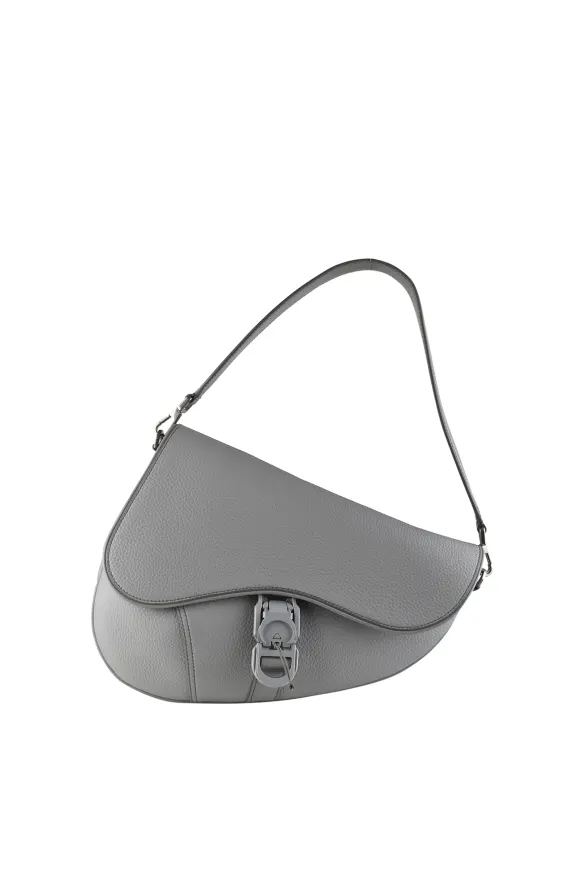
Dior Saddle Twin Bag by Moda Di Andrea: $2,374 suits the buyer interested in a recognizable designer silhouette that brings personality and fashion authority to everyday outfits.
Shop at Moda Di Andrea · $2,374 →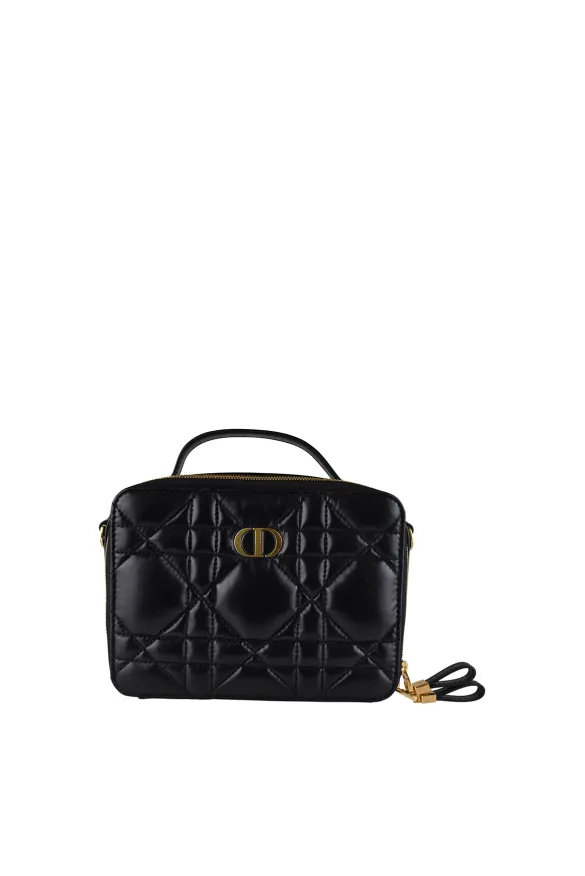
Dior Caro Box bag by Moda Di Andrea: $2,208 suits someone who prefers a more structured, boxier profile with a neat, composed look.
Shop at Moda Di Andrea · $2,208 →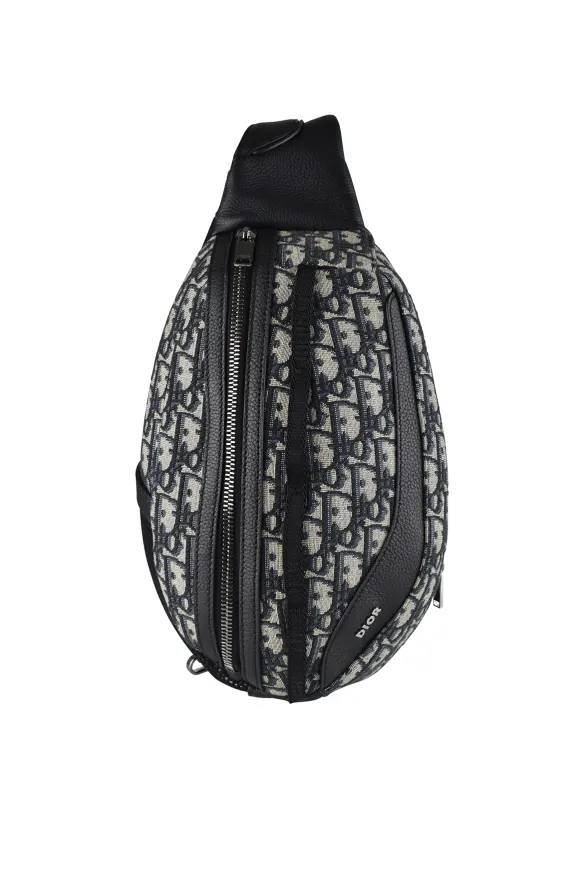
Dior Scarab Bag by Moda Di Andrea: $1,832 suits the shopper seeking entry into this luxury tier with a distinctive designer bag at the lowest price point of this selection.
Shop at Moda Di Andrea · $1,832 →Is It Worth It?
A luxury leather bag over $1,000 is worth it when it satisfies more than one form of value at once. The best purchases in this range feel emotionally resonant, visually convincing, and genuinely usable. They should offer either strong everyday return through frequent wear or a degree of design impact that makes their more selective use feel justified. If a bag delivers both, all the better.
Among the broad categories, shoulder bags often make the strongest practical case because they integrate so easily into real wardrobes. That gives styles like the Bottega Veneta Hop Shoulder Bag, the Khaite Blake Shoulder Bag, and the Saint Laurent Quilted Calf Leather Shoulder Bag a natural advantage for buyers focused on utility and repetition. On the other hand, distinctive structured or iconic shapes such as the Dior Saddle Twin Bag, Dior Caro Box bag, and Dior Scarab Bag may appeal more to shoppers who place greater emphasis on silhouette, statement, and collectibility of style.
Ultimately, what you are really paying for is not just leather, but the convergence of design, identity, and use. Spend well here, and a bag becomes more than an accessory: it becomes a dependable part of how you dress, move, and present yourself. That is the kind of luxury value that can justify four figures.
We may earn a commission if you buy through these links, at no extra cost to you.