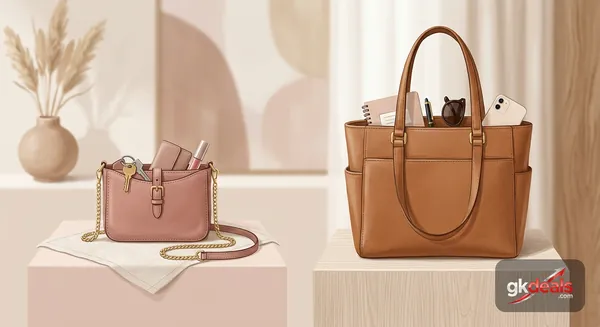

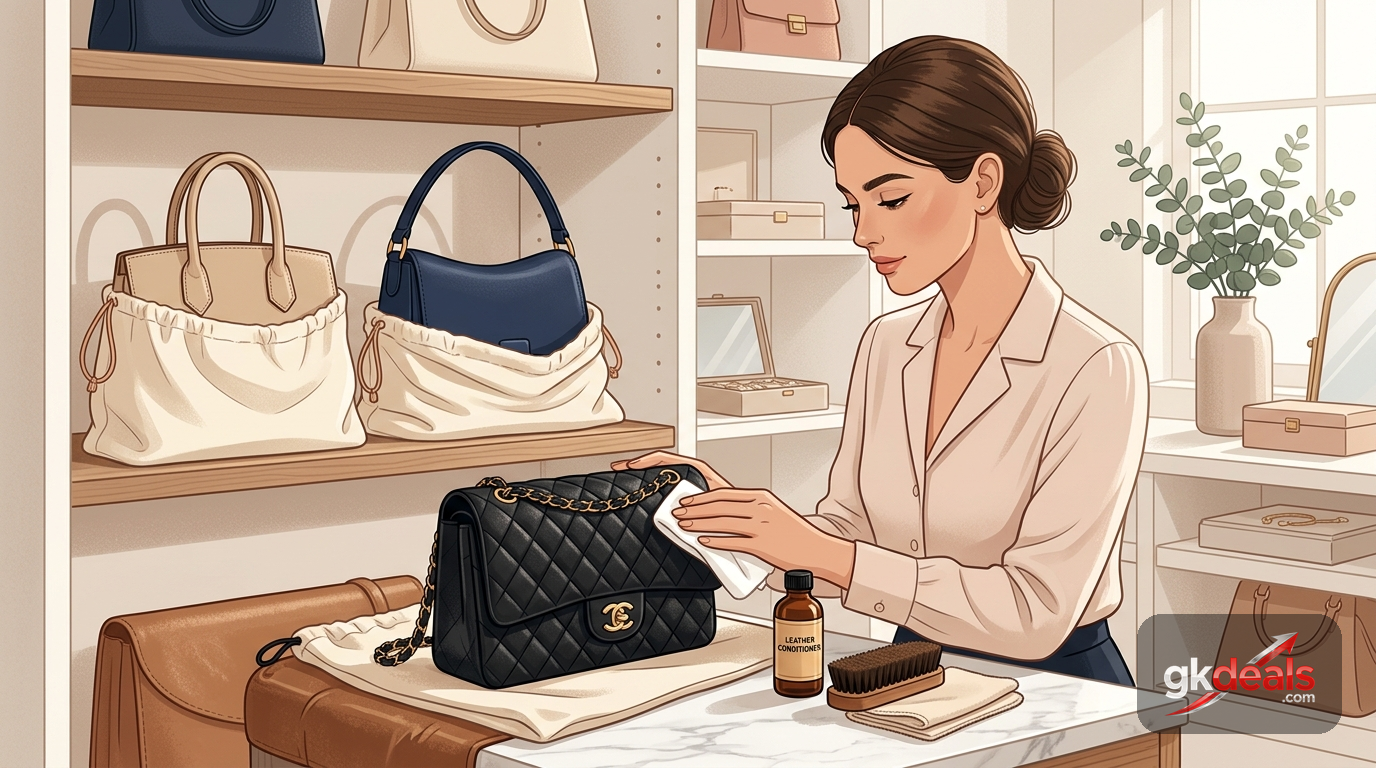
A designer handbag is more than a fashion purchase. It is often a daily essential, a long-term wardrobe piece, and in some cases a meaningful investment. Whether you carry a structured leather tote to work, a crossbody on weekends, or a polished bag for travel, proper care makes a major difference in how well it holds up over time.
The good news is that handbag care does not need to be complicated. A few simple habits can help prevent stains, scratches, sagging, fading, and premature wear. The key is knowing how to protect your bag before damage happens, how to clean it safely, and what features matter if you want a bag that is easier to maintain from day one.
Why designer handbag care matters
Designer handbags are often made with higher-quality leather, hardware, stitching, and lining than lower-cost alternatives, but that does not make them indestructible. In fact, premium materials can require more thoughtful handling. Smooth leather can scratch, suede can absorb moisture, light-colored bags can pick up dye transfer, and structured shapes can lose their form if stored carelessly.
Good care helps preserve the things that make a bag feel luxurious in the first place: the shape, finish, color, texture, and polished details. It can also help you get more value from your purchase. A well-maintained bag lasts longer, looks better with regular use, and may retain stronger resale appeal if you ever decide to rotate your collection.
Just as importantly, caring for your handbag protects your everyday experience. A bag that is clean, organized, and in good condition is simply more enjoyable to carry. You do not have to worry as much about a worn handle, a stained corner, or a zipper that feels one trip away from breaking.
Daily habits that prevent damage
The easiest way to protect a designer handbag is to reduce everyday stress on the materials. Small habits matter more than occasional deep cleaning.
Keep clean hands and surfaces in mind
Natural oils, lotion, makeup, and hand sanitizer can transfer onto handles and light-colored leather. Try to handle your bag with clean, dry hands when possible. At restaurants, offices, or public spaces, avoid placing your handbag on the floor, where it can pick up dirt, moisture, and bacteria. A clean chair, shelf, or bag hook is much safer.
Do not overload the bag
One of the fastest ways to distort a handbag is to carry too much weight. Overloading can stretch handles, stress seams, warp the base, and change the silhouette. This is especially important for structured leather totes, which can start to sag if they regularly carry laptops, water bottles, chargers, cosmetics, and paperwork all at once.
To help maintain shape and reduce wear:
- Carry only what you truly need each day
- Use a pouch for cosmetics and pens to prevent spills and marks
- Distribute heavier items evenly inside the bag
- Avoid hanging very heavy accessories from the handles
Be careful with color transfer
Dark denim and brightly dyed fabrics are common causes of color transfer, especially on cream, tan, blush, white, or pastel bags. If your bag is light in color, be cautious when wearing new jeans or dark outerwear. This kind of staining can be difficult to remove completely once it sets.
Protect against weather
Leather and moisture are rarely a good combination. If rain is in the forecast, consider carrying a different bag or using a protective cover when commuting. If your handbag does get wet, pat it gently with a soft, dry cloth and let it air dry naturally. Do not use a hair dryer or place it near direct heat, which can dry out and damage the material.
How to clean a designer handbag safely
Before cleaning any designer bag, check the brand's care instructions if available. Different finishes and materials require different treatment. When in doubt, test any product on a small, hidden area first.
For smooth leather
Use a soft, dry microfiber cloth for routine dusting. If the bag needs more attention, wipe it gently with a slightly damp cloth, then dry it right away. A leather cleaner made specifically for handbags can help remove surface grime without stripping the finish. Follow with a leather conditioner occasionally to keep the material supple, but do not overapply. Too much product can leave buildup or alter the sheen.
For pebbled or textured leather
Textured leather is often more forgiving than smooth leather because it hides minor scratches better. Clean it gently with a soft cloth and a leather-safe cleaner. Pay attention to corners, seams, and around hardware, where dirt tends to collect.
For suede or nubuck
Suede requires a lighter touch. Use a suede brush to lift dirt and restore the nap. Avoid water-based cleaning whenever possible, since moisture can leave marks. A suede protector spray can be useful, but it should be made for that specific material.
For fabric or lined interiors
Turn the lining out if possible and shake out debris. A lint roller or handheld vacuum on a gentle setting can help remove dust and crumbs. Spot-clean minor marks with a soft cloth, but avoid soaking the interior. For ink, oil, or major stains, professional cleaning is usually the safest option.
Do not forget the hardware
Metal feet, zippers, buckles, and logo details can lose their shine if neglected. Wipe hardware carefully with a dry, soft cloth. Avoid harsh metal polishes unless the manufacturer recommends them, since they can damage surrounding leather.
Best storage practices for long-term protection
How you store your bag matters almost as much as how you carry it. Proper storage helps maintain shape, prevent scratches, and protect the finish between uses.
- Store the handbag upright whenever possible
- Stuff it lightly with clean tissue paper or a soft cotton cloth to help preserve its shape
- Use a breathable dust bag rather than plastic, which can trap moisture
- Keep it in a cool, dry place away from direct sunlight
- Avoid hanging bags by their handles for long periods, which can stretch them
- Store chains, straps, and hardware so they do not press into the leather
If you rotate bags seasonally, check them every few weeks. This helps you catch early signs of moisture, color change, flattening, or hardware impressions before they become harder to fix.
When to use protective products
Protective products can be worth buying, but only if they match the material and are used correctly. The most useful options are usually those that help prevent common problems without changing the look or feel of the bag.
Many handbag owners benefit from:
- Leather cleaners designed for premium handbags
- Leather conditioners that prevent dryness and cracking
- Water- and stain-repellent sprays for suitable materials
- Dust bags for storage and travel
- Bag organizers or inserts that reduce interior mess and help the bag keep its shape
- Soft pouches for pens, cosmetics, and liquids that could leak
The right insert can be especially helpful for larger totes. It adds structure, keeps essentials from shifting, and creates a barrier between the bag's lining and items that can spill, scratch, or leave residue.
What to look for when buying a handbag that is easier to maintain
If you are shopping for a new designer handbag, care should be part of the decision. Some styles and materials are naturally easier to live with than others, especially if the bag will be used often for work, commuting, or travel.
Material that suits your lifestyle
Pebbled leather is often a smart choice for everyday use because it tends to resist visible scratches better than smooth leather. Darker colors can also be more forgiving if you expect frequent wear. If you love lighter shades, look for finishes that are easier to wipe clean and plan to be more cautious about denim and weather exposure.
Structured design and reinforced base
A bag with a stable base and good structure is usually easier to keep looking polished. Features like feet on the bottom can reduce scuffing when the bag is set down, while reinforced handles can better support daily essentials.
Secure and practical interior
Interior compartments, zip pockets, and room for an organizer can make a big difference in cleanliness and wear. When items are separated, you are less likely to get pen marks, makeup smudges, or scratches from keys and tech accessories.
Quality hardware and stitching
Examine seams, handle attachment points, zipper movement, and edge finishing. These details affect not only how the bag looks but also how well it stands up to regular use. A beautiful bag should also feel durable in the areas that take the most stress.
Final thoughts
Caring for a designer handbag is really about consistency. Gentle handling, regular light cleaning, smart storage, and a few protective accessories can keep your bag looking refined for much longer. If you are choosing a new handbag, it is also worth looking for materials, structure, and features that fit your routine and make maintenance easier. The options below are a strong place to start if you want a stylish bag that can handle everyday life while still feeling elevated.
Our Top Recommendations
Based on this guide, here are hand-picked products from our partners that we recommend:
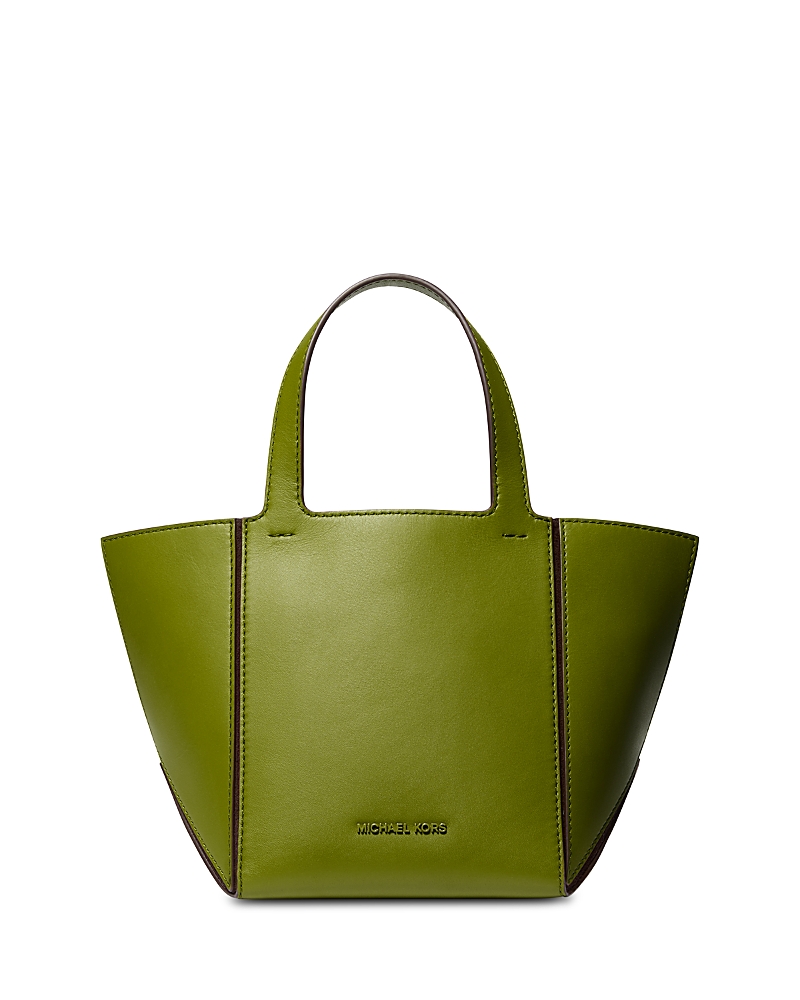
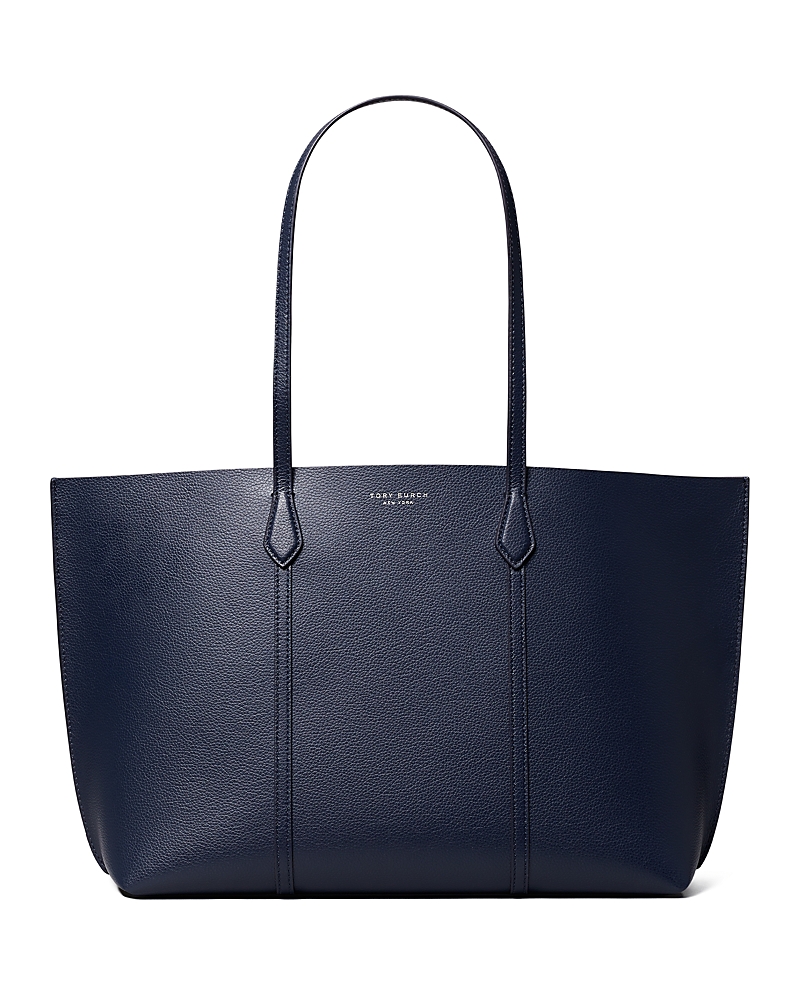
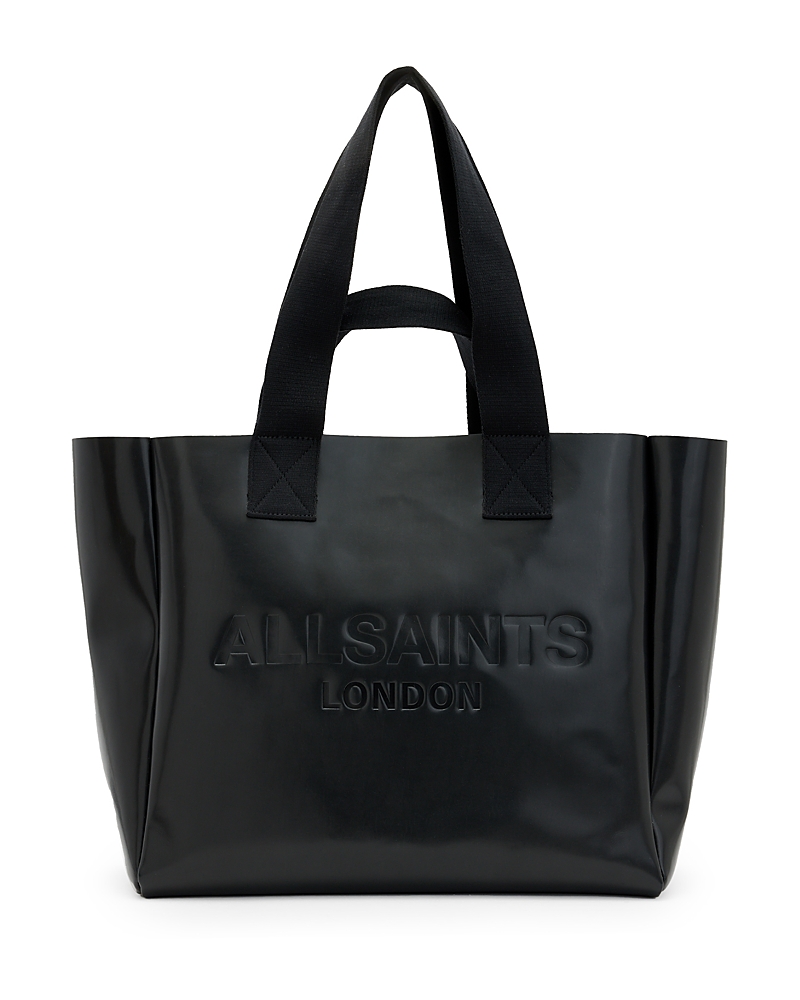
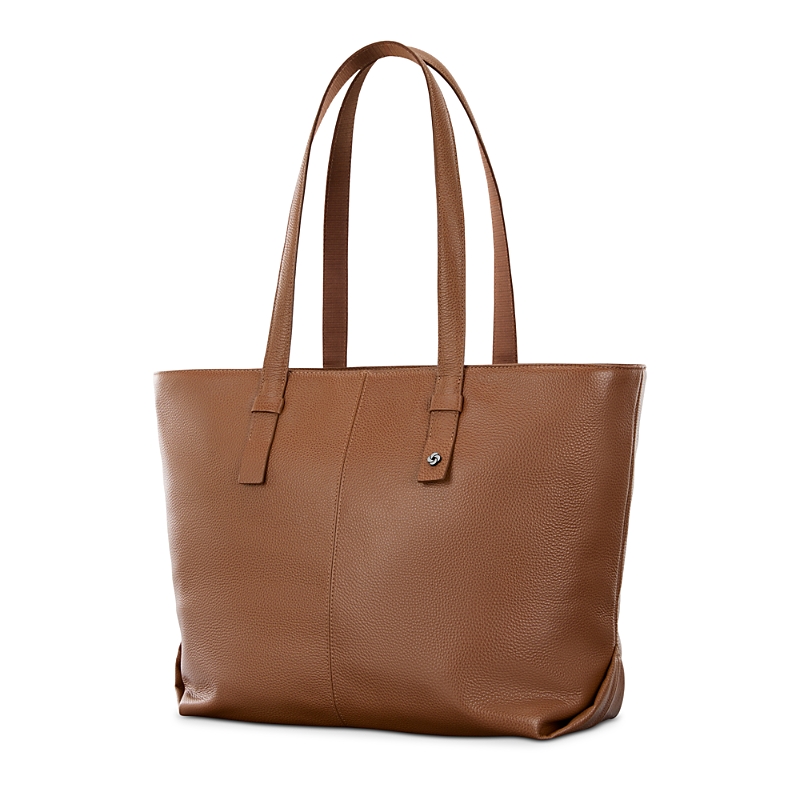
We may earn a commission if you buy through these links, at no extra cost to you.