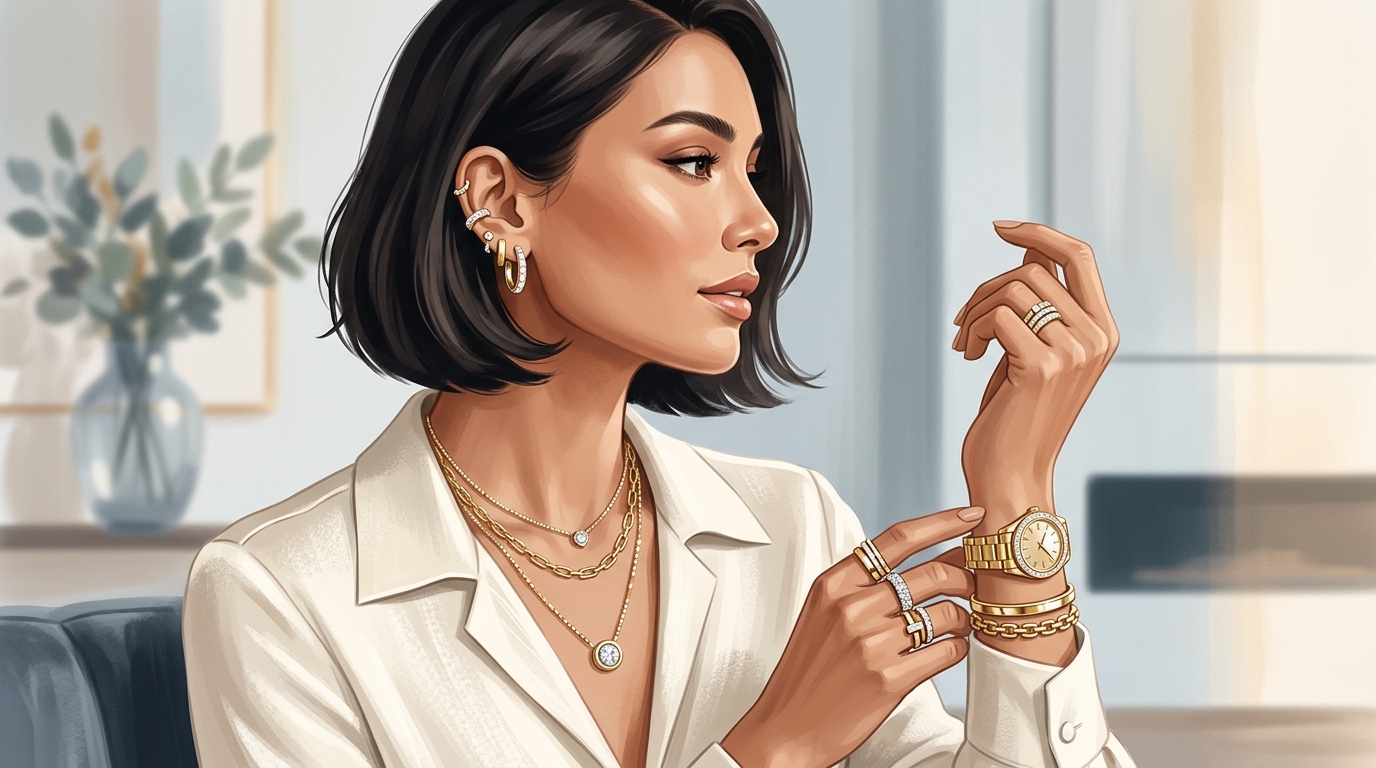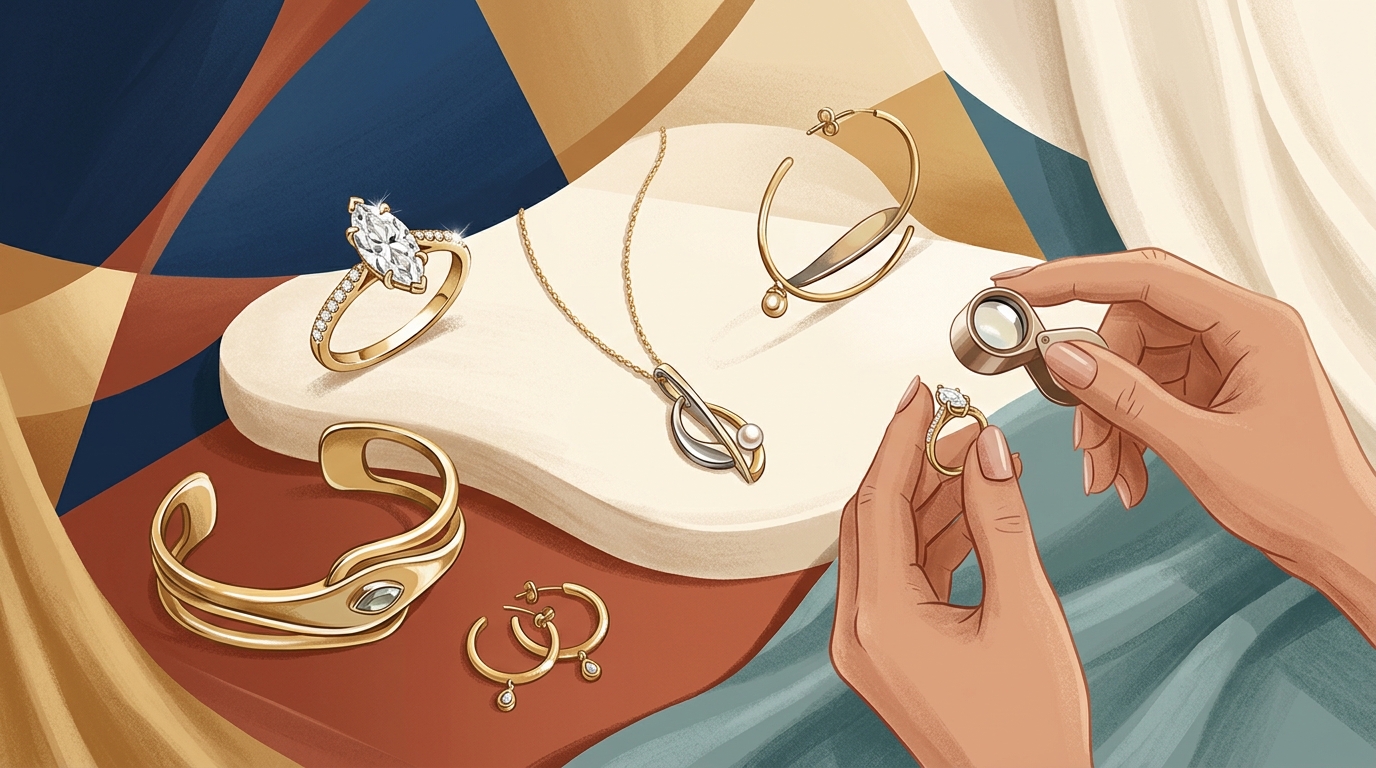

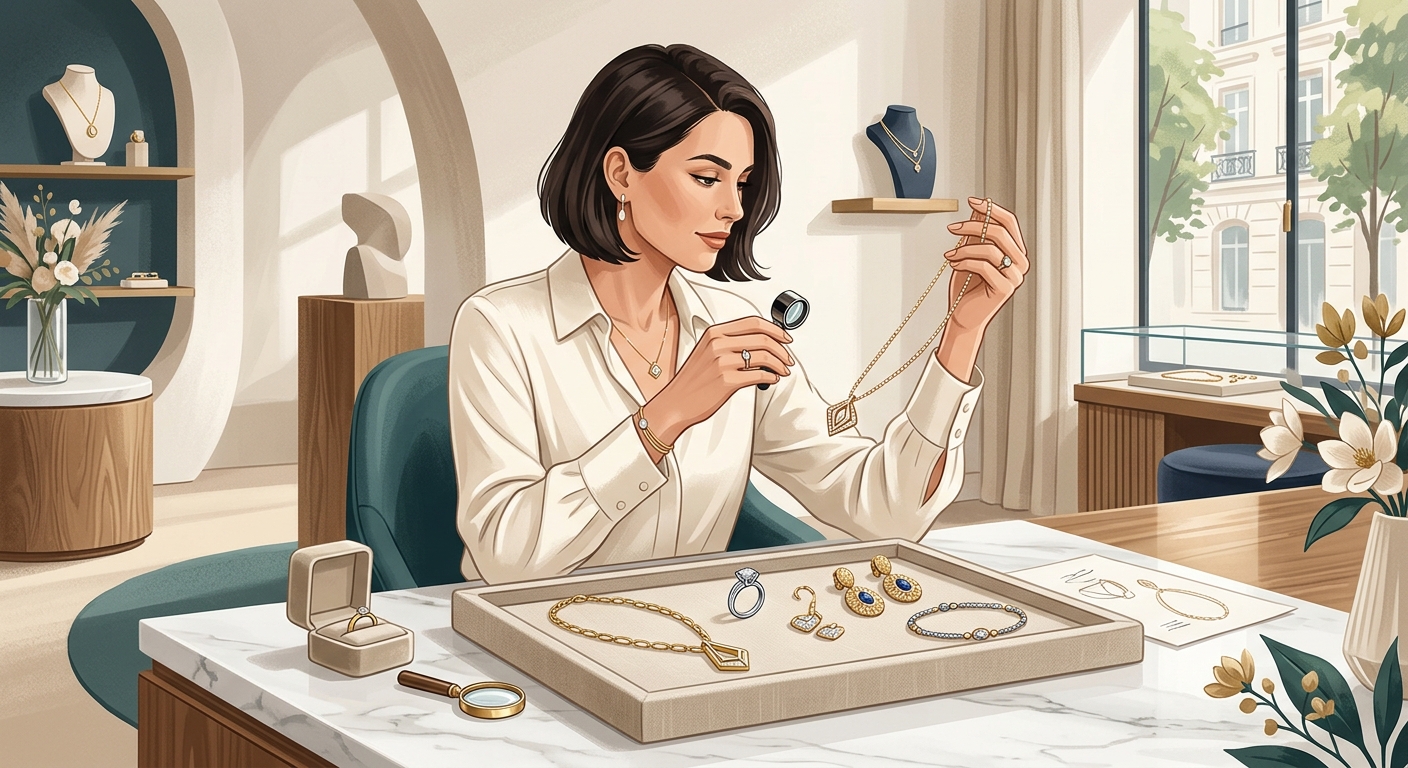
Designer jewelry is more than a beautiful accessory. It is often a meaningful purchase, a keepsake, and in many cases a piece you expect to wear for years or even pass down. That is why buying the right piece matters. A necklace, pendant, bracelet, or ring may look stunning in a photo, but true value comes from a combination of design, craftsmanship, material quality, comfort, and long-term wearability.
If you are shopping for designer jewelry, it helps to look beyond trend appeal and focus on the details that separate a gorgeous piece from a smart purchase. Whether you are choosing a gift, marking a milestone, or treating yourself, knowing what to evaluate can help you buy with confidence and avoid regret later.
Why Buying the Right Designer Jewelry Matters
Designer jewelry usually commands a higher price because you are paying for more than raw materials. You are also paying for design integrity, better finishing, more thoughtful settings, and often a stronger brand reputation. But a higher price tag does not automatically mean the piece is right for you.
The best designer jewelry balances beauty with practicality. It should suit your personal style, feel comfortable on the body, and hold up well to the way you plan to wear it. If you are investing in diamonds or precious metals, details like stone quality, setting security, and metal purity become especially important. A well-chosen piece can become part of your signature look; a rushed purchase can end up sitting unworn in a box.
Taking time to evaluate a piece also helps you compare options more intelligently. Instead of choosing solely based on carat weight or a dramatic product image, you can judge whether the design, quality, and wearability truly justify the cost.
Start with the Wearer and the Occasion
Before you focus on technical details, think about who will wear the jewelry and how it will be used. This simple step narrows your options quickly and makes the final decision easier.
Ask these practical questions first
- Is this an everyday piece or a special-occasion statement item?
- Does the wearer prefer classic, modern, romantic, or bold styles?
- Will the piece need to layer easily with other jewelry?
- Is low-maintenance wear important?
- Is the jewelry meant to be symbolic, such as a gift for an anniversary, birthday, or milestone?
An everyday pendant should feel versatile, durable, and easy to pair with different outfits. A statement necklace can be more dramatic, but it still needs to sit well, feel balanced, and complement the wearer’s taste. Designer jewelry should enhance a wardrobe, not fight with it.
Material Quality: What the Piece Is Made Of
One of the first things to check is the core material. Precious metals and gemstones are a major part of what you are buying, and they influence appearance, durability, maintenance, and value.
Precious metals
For fine designer jewelry, gold and platinum are the main categories to know. If you are considering gold, look for the karat marking. Common options include 14K and 18K gold.
- 14K gold: Durable, practical for regular wear, and a popular choice for necklaces and pendants.
- 18K gold: Richer color with higher gold content, but generally softer and often more expensive.
- White gold: Sleek and versatile, especially popular with diamonds.
- Yellow gold: Warm, classic, and flattering across many skin tones.
- Rose gold: Romantic and modern, though more style-specific.
Also consider metal sensitivity. Some buyers prefer hypoallergenic options or want to know whether white gold may need occasional replating to maintain its bright finish.
Gemstones and diamonds
If the piece includes diamonds, look beyond total carat weight. Carat weight tells you size, not overall beauty. Sparkle and appearance are influenced by cut, clarity, color, and how the stones are matched in the design.
For diamond jewelry, especially pendants and necklaces, pay attention to:
- Cut quality: A well-cut diamond reflects light better and often looks more impressive than a larger poorly cut stone.
- Color: Near-colorless diamonds are especially desirable in white metals.
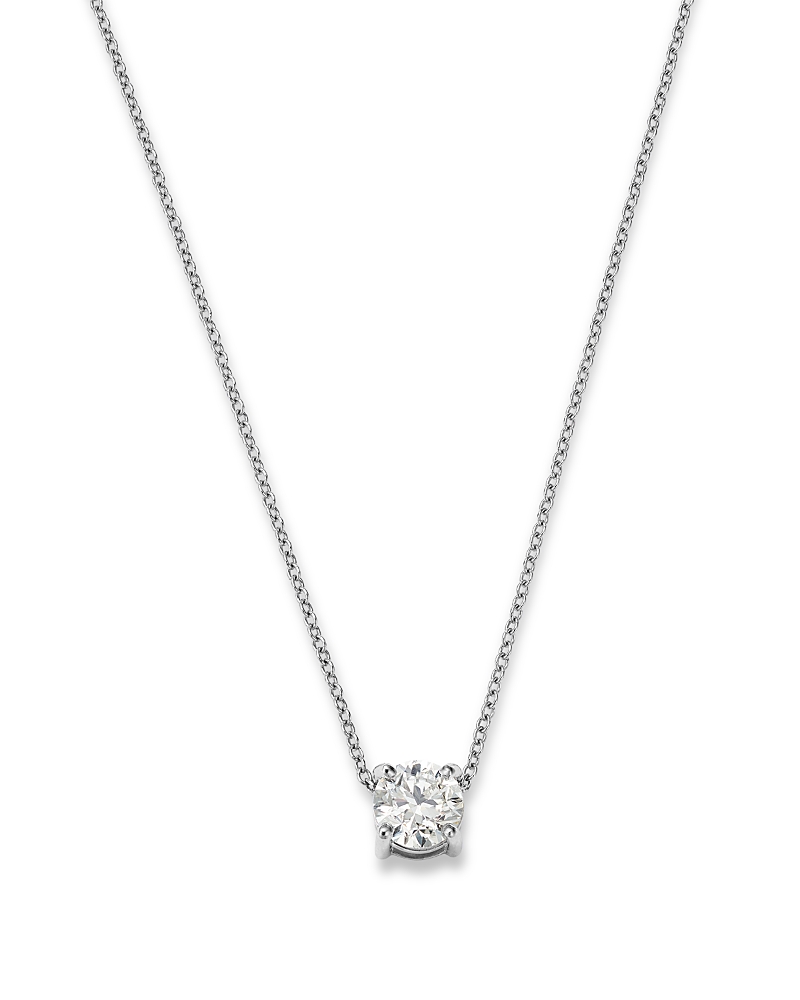
- Clarity: Minor inclusions may not be visible to the naked eye, but better clarity can matter more in solitaire designs.
- Stone matching: In multi-stone pieces, consistency in color and sparkle creates a more polished, luxurious look.
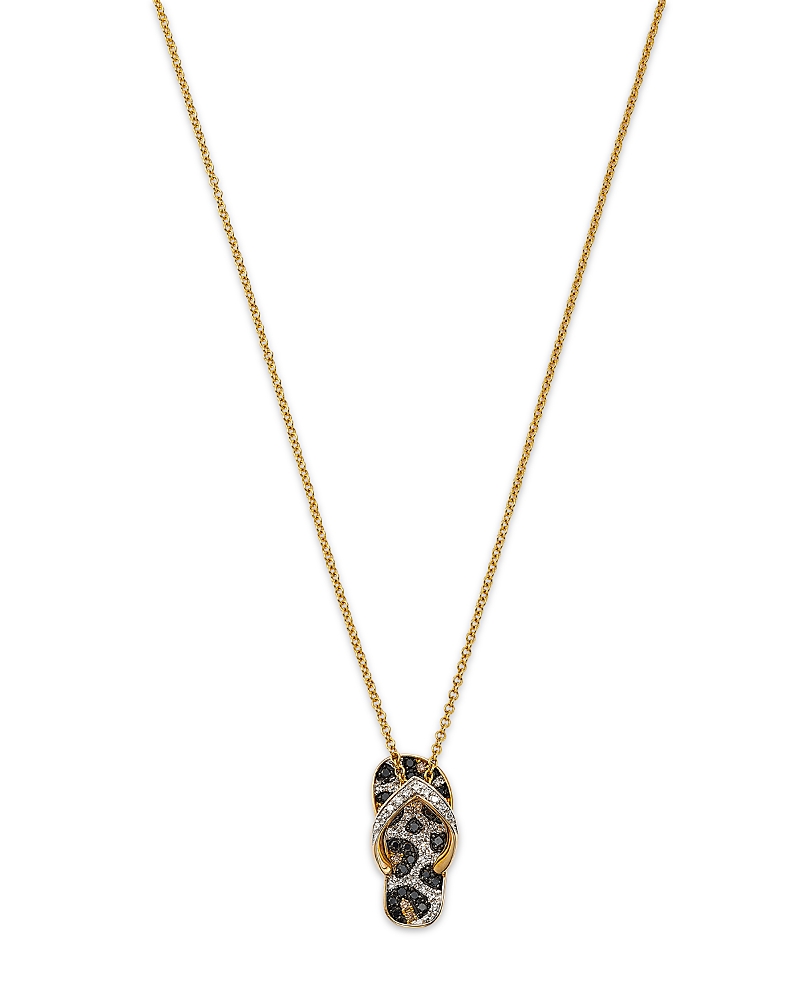
Fancy color combinations or mixed diamond designs can also add personality, but they should still feel intentional and balanced rather than busy.
Craftsmanship and Construction Details
Great design deserves great execution. Craftsmanship is often what separates jewelry that simply looks expensive from jewelry that actually is well made.
What to inspect closely
- Stone settings: Prongs, bezels, and channels should look even, secure, and neatly finished.
- Symmetry: Pendants and decorative motifs should appear balanced when viewed straight on.
- Finish: Surfaces should be polished evenly without rough edges or visible flaws.
- Chain quality: A beautiful pendant needs a chain that feels substantial enough to support it.
- Clasp security: Clasps should open and close smoothly and feel reliable.
If a necklace twists awkwardly, a pendant flips constantly, or the chain looks too delicate for the centerpiece, the piece may be less satisfying to wear than it appears online. Well-made designer jewelry should feel intentional in every component, not just the focal design.
Fit, Scale, and Real-Life Wearability
One of the most overlooked parts of buying jewelry is scale. A piece can be exquisite but still wrong for the wearer if it is too large, too subtle, too heavy, or an awkward length.
Consider these fit factors
- Necklace length: Shorter lengths highlight the collarbone, while longer styles create a more elongated look.
- Pendant size: Think about whether the wearer prefers delicate accents or visible sparkle.
- Weight: Heavier pieces may feel luxurious, but they should not be uncomfortable over time.
- Layering potential: If the piece will be worn with other necklaces, choose a length and style that will not tangle or compete.
Product photos can be misleading, so dimensions matter. Check the listed measurements and, if possible, compare them to jewelry the wearer already owns. This is especially helpful when buying a gift.
Authenticity, Documentation, and Brand Trust
When buying designer jewelry, trust matters. Reputable retailers and established collections typically provide better transparency about materials, gemstone details, and certifications.
Look for clear product information, including metal type, total carat weight, and diamond grading details when relevant. For larger center stones or higher-value diamond pieces, certification from a respected gemological lab can add confidence. It is also wise to review return policies, warranty coverage, and any repair or maintenance services offered.
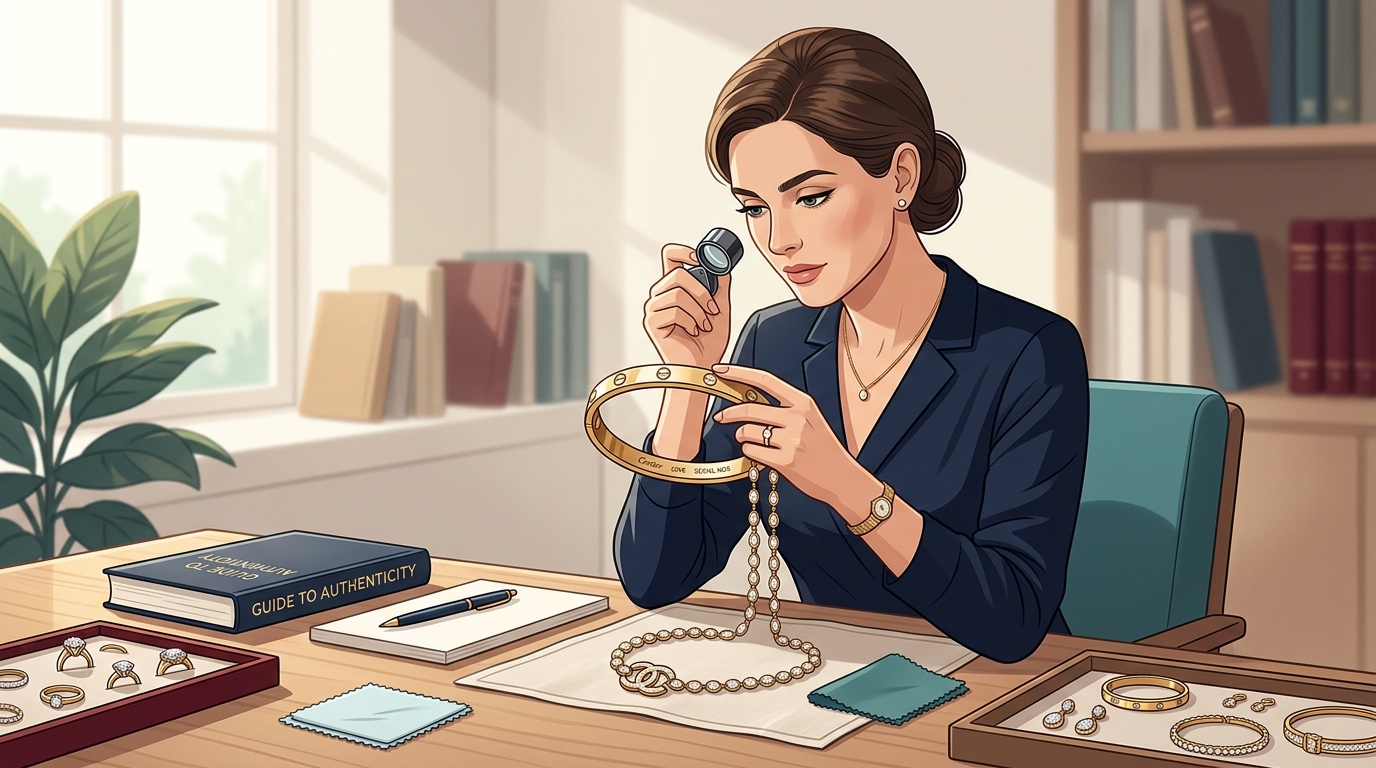
Hallmarks and stamps are another useful sign. Fine jewelry should typically be marked for metal purity, and branded pieces may carry additional identifiers. These details do not replace overall quality evaluation, but they do support authenticity.
Style Longevity vs. Trend Appeal
Designer jewelry often succeeds by combining timeless materials with distinctive styling. The key is deciding whether you want a forever piece, a fashion-forward statement, or something in between.
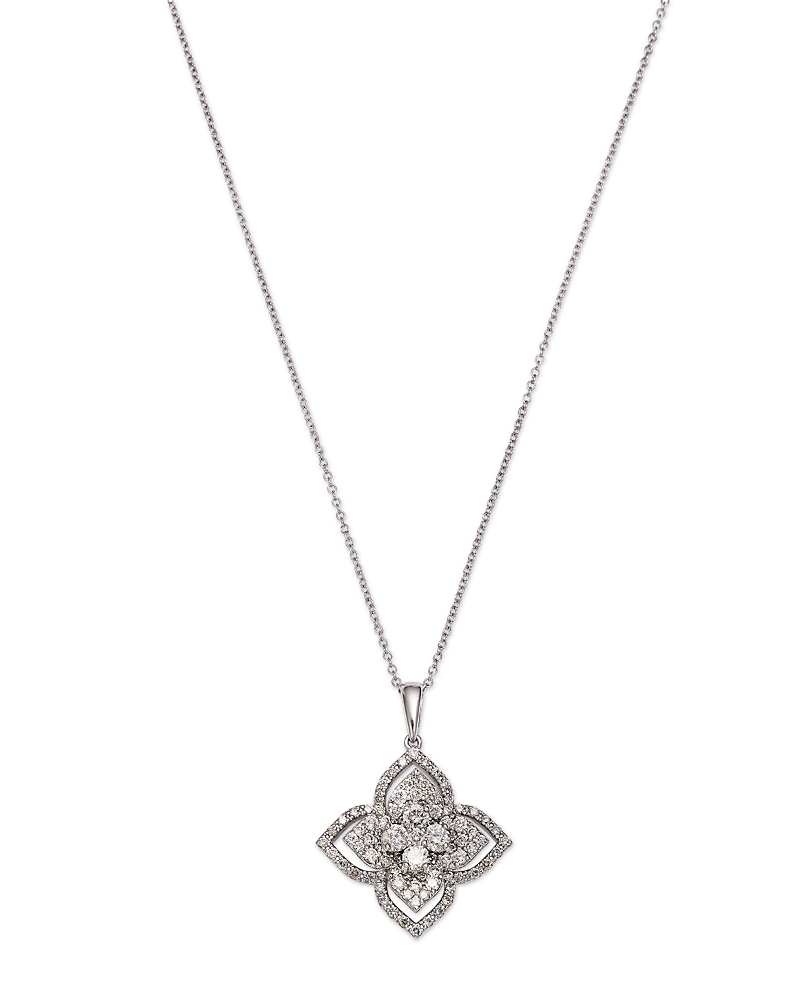
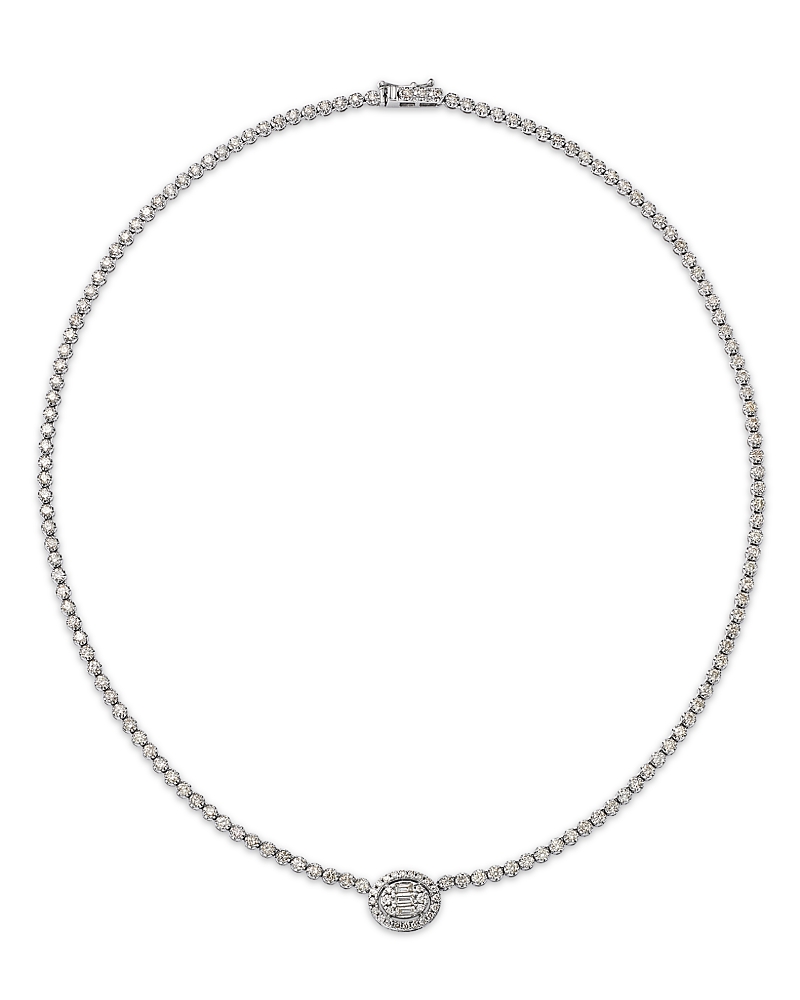
Classic silhouettes like solitaire pendants, floral motifs, tennis necklaces, and halo designs tend to have lasting appeal because they are elegant and wearable across many occasions. More playful or themed designs can be wonderful choices too, especially if they reflect the wearer’s personality, but they should still feel like something that will be enjoyed beyond a single season.
If you are spending more for designer quality, ask yourself whether you can picture this piece being worn repeatedly over the next several years. If the answer is yes, that is usually a strong sign you are choosing well.
How to Judge Value Without Focusing Only on Price
Smart jewelry shopping is about value, not just cost. A less expensive piece is not automatically the better buy if the materials, craftsmanship, or design are lacking. Likewise, the most expensive option is not always the best choice if it does not fit your style or needs.
To judge value, consider the full package:
- Quality of metal and gemstones
- Craftsmanship and finishing
- Design originality and versatility
- Comfort and wearability
- Brand or retailer reputation
- Documentation, certification, and after-purchase support
The right piece should feel beautiful, secure, and worth reaching for again and again. That is what turns jewelry from a simple purchase into a lasting part of your collection.
Final Buying Tips to Keep in Mind
- Set a budget, but leave room for quality if this is a milestone piece.
- Prioritize craftsmanship and diamond quality over flashy size alone.
- Choose a metal color that suits the wearer’s existing jewelry and style.
- Think about how often the piece will realistically be worn.
- Buy from a trusted source with clear details and a fair return policy.
When you know what to look for, shopping for designer jewelry becomes far more enjoyable. Instead of guessing, you can focus on pieces that offer real beauty, quality, and lasting satisfaction. With those standards in mind, the next step is exploring standout options that bring together elegant design, fine materials, and the kind of craftsmanship that makes a jewelry purchase feel truly special.
Our Top Recommendations
Based on this guide, here are hand-picked products from our partners that we recommend:
We may earn a commission if you buy through these links, at no extra cost to you.