
Designer jewelry carries a premium for a reason: refined craftsmanship, better materials, stronger quality control, and lasting value. But that same appeal makes it a common target for counterfeits and misleading listings. Whether you are shopping for a diamond pendant, a gold necklace, or a signature designer piece, knowing how to separate genuine quality from imitation can save you money and disappointment.
The good news is that you do not need to be a gemologist to shop smarter. A few practical checks can reveal a lot about whether a piece is authentic, well made, and worth the price. From hallmarks and metal quality to stone setting and seller reputation, here is how to spot an authentic designer jewelry piece with confidence.
Why Authenticity Matters
Authenticity is about more than owning the real thing. It affects durability, appearance, resale potential, and even everyday wearability. A counterfeit or poorly represented piece may look convincing in photos, but often falls short in ways that become obvious over time.
- Material quality: Genuine designer jewelry is typically made with precious metals like solid gold or platinum, not cheap base metals with thin plating.
- Stone security: Authentic pieces usually feature better settings that protect diamonds and gemstones from loosening or falling out.
- Craftsmanship: Fine jewelry should have smooth finishes, balanced design, even prongs, and a polished feel.
- Value: Designer jewelry from a reputable source generally retains far more value than imitation pieces.
- Skin safety: Cheap alloys can cause irritation, tarnish quickly, or discolor your skin.
If you are paying for designer quality, you should receive designer quality in every detail, not just the name attached to it.
Start With the Seller, Not Just the Jewelry
One of the easiest ways to avoid fake or misrepresented jewelry is to buy from a trusted retailer. Before you inspect a single clasp or hallmark, look at where the piece is being sold.
Signs of a trustworthy seller
- Clear product descriptions with exact metal type, stone details, and total carat weight
- High-resolution photos from multiple angles
- Transparent return policy and warranty information
- Customer service contact information that is easy to find
- Independent reviews or a strong retail reputation
- Certificates or grading information for significant diamonds
Be cautious with marketplace listings that use vague phrases like “designer inspired,” “gold tone,” or “diamond look.” These terms are not always deceptive, but they are often used to soften the reality that a piece is not fine jewelry.
Check the Hallmarks and Stamps
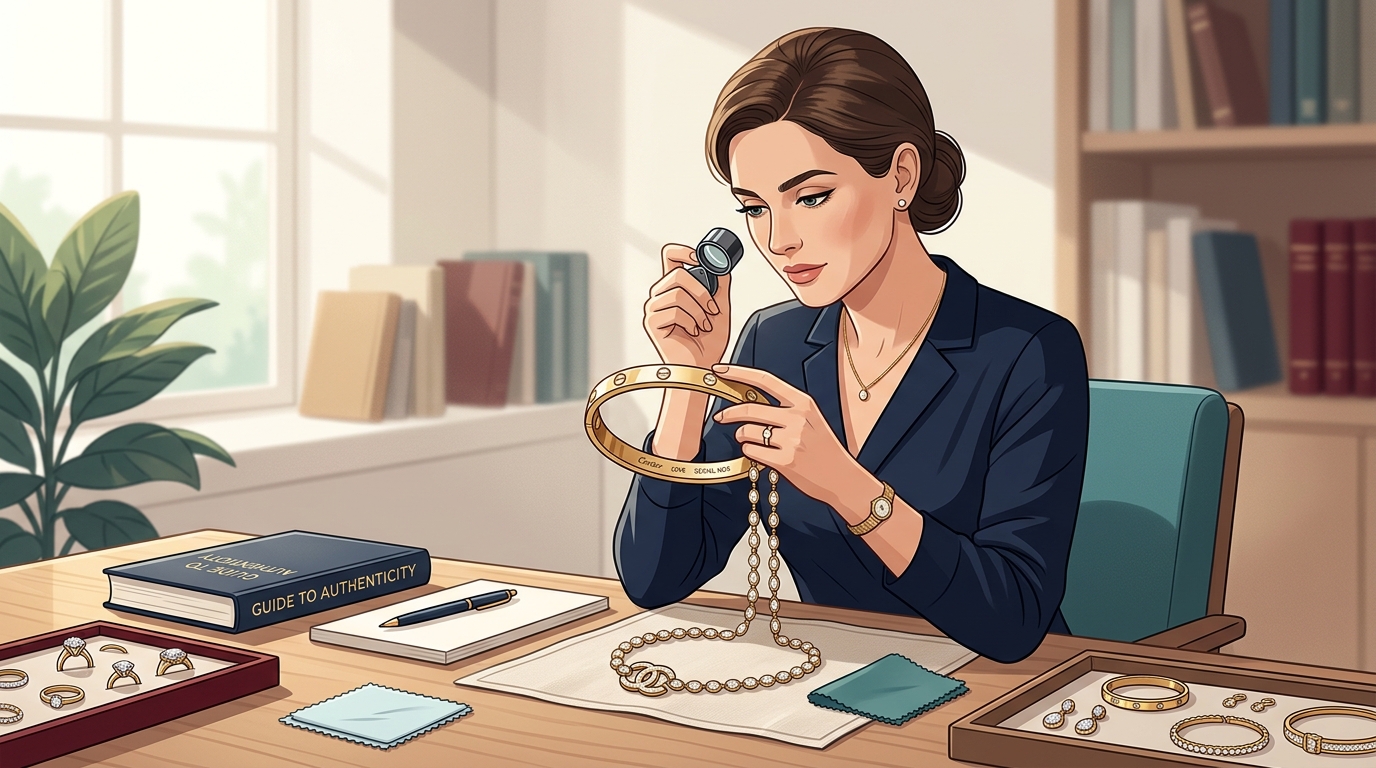
Authentic fine jewelry usually includes small stamped markings that identify the metal purity, and sometimes the maker. These marks are not the only proof of authenticity, but they are an important starting point.
Common metal marks to look for
- 10K, 14K, 18K, 22K: Gold purity marks
- 585: 14K gold
- 750: 18K gold
- PT or PLAT: Platinum
- 925: Sterling silver
You may also see a designer signature, logo, or maker's mark. These stamps should be clean and crisp, not sloppy, shallow, or misspelled. Keep in mind that counterfeiters can copy stamps, so use hallmarks as one clue among several, not as the final answer.
Examine the Metal Quality Closely
Designer jewelry should feel substantial and well finished. Even delicate pieces tend to have a sense of intentionality and balance that cheap imitations lack.
What authentic quality looks and feels like
- Smooth edges with no rough spots
- Consistent color throughout the piece
- No bubbling, flaking, or peeling on the surface
- A secure clasp that opens and closes cleanly
- A comfortable weight relative to the size of the piece
If a necklace feels unusually light, looks overly shiny in an artificial way, or has visible wear exposing a different metal underneath, it may be plated costume jewelry rather than solid precious metal. Real gold jewelry will not peel. Over time, it may scratch, but it should not reveal a mystery metal under the surface.
Look at the Stone Setting and Overall Craftsmanship
In authentic designer jewelry, details matter. Stones should be secure, symmetrical, and carefully set. The piece should look refined from every angle, including the back and underside.
Signs of strong craftsmanship
- Prongs are even in size and neatly positioned
- Bezels are smooth and snug around the stone
- Pavé or accent stones are aligned consistently
- The back of the pendant or setting is polished, not unfinished
- Chains and connectors feel sturdy rather than flimsy
Uneven prongs, crooked stones, cloudy glue residue, or obvious asymmetry are red flags. Fine jewelry is built for longevity, so the setting should protect the stones rather than just hold them temporarily.
Know What to Expect From Real Diamonds
If the piece includes diamonds, authenticity involves both the stone and the disclosure around it. Reputable sellers should tell you whether the diamonds are natural or lab-grown, provide total carat weight, and describe color and clarity if relevant.
What to check with diamond jewelry
- Total carat weight is stated clearly
- Diamond origin is disclosed if applicable
- A certification is included for major center stones when expected
- The diamonds have lively sparkle, not a dull glassy look
- Settings are proportionate and secure
Do not rely on sparkle alone. Many simulants are very flashy in bright light. Instead, look for consistency between the stated specs, the visual appearance, and the overall price. If a seller claims a large fine diamond piece at a price far below market expectations, caution is warranted.
Review the Documentation and Packaging
Authentic designer jewelry often comes with presentation details that support the purchase, though packaging alone should never be considered proof. Boxes and pouches can be copied. Documentation, however, should still align with the quality level of the piece.
Helpful supporting materials
- Receipt with full item description
- Certificate for certified diamonds when applicable
- Care instructions and warranty details
- Brand-consistent packaging from a reputable retailer
If the jewelry is represented as fine designer quality but arrives with missing paperwork, generic descriptions, or inconsistent branding, ask questions before the return window closes.
Red Flags That Should Make You Pause
Sometimes authenticity issues are less about a single flaw and more about an overall pattern that does not add up.
- Deep discounts that seem unrealistic for the materials listed
- Product descriptions full of hype but short on specifics
- No mention of metal purity or carat weight
- Blurry photos or only one image angle
- Misspelled brand names or inconsistent logos
- No return policy or only store credit offered
- Seller refuses to provide additional details or close-up photos
Trust your instincts. Fine jewelry is a considered purchase, and a reputable seller should make it easy to verify what you are buying.
What to Look for When Buying
Once you know how to spot authenticity, the next step is choosing a piece that delivers beauty and lasting value. Look for a combination of verified materials, secure construction, and timeless design.
Prioritize these buying factors
- Precious metal quality: 14K and 18K gold are popular choices for a balance of beauty and durability.
- Diamond transparency: Choose jewelry with clear carat weight and stone information.
- Wearability: Check chain length, clasp style, and pendant size for everyday comfort.
- Versatility: Pieces that work with both casual and dressy outfits tend to be better long-term investments.
- Retailer trust: Buy from established stores known for fine jewelry standards and customer service.
For many shoppers, the safest path is choosing fine jewelry from a respected retailer that clearly states gold purity, diamond details, and quality information upfront. That combination offers both peace of mind and a better ownership experience.
Authentic designer jewelry should feel special before you even put it on. When the materials, craftsmanship, and seller all check out, you can shop with much more confidence. To make that search easier, the selections that follow focus on fine jewelry pieces with the kind of quality details discerning buyers should look for.
Our Top Recommendations
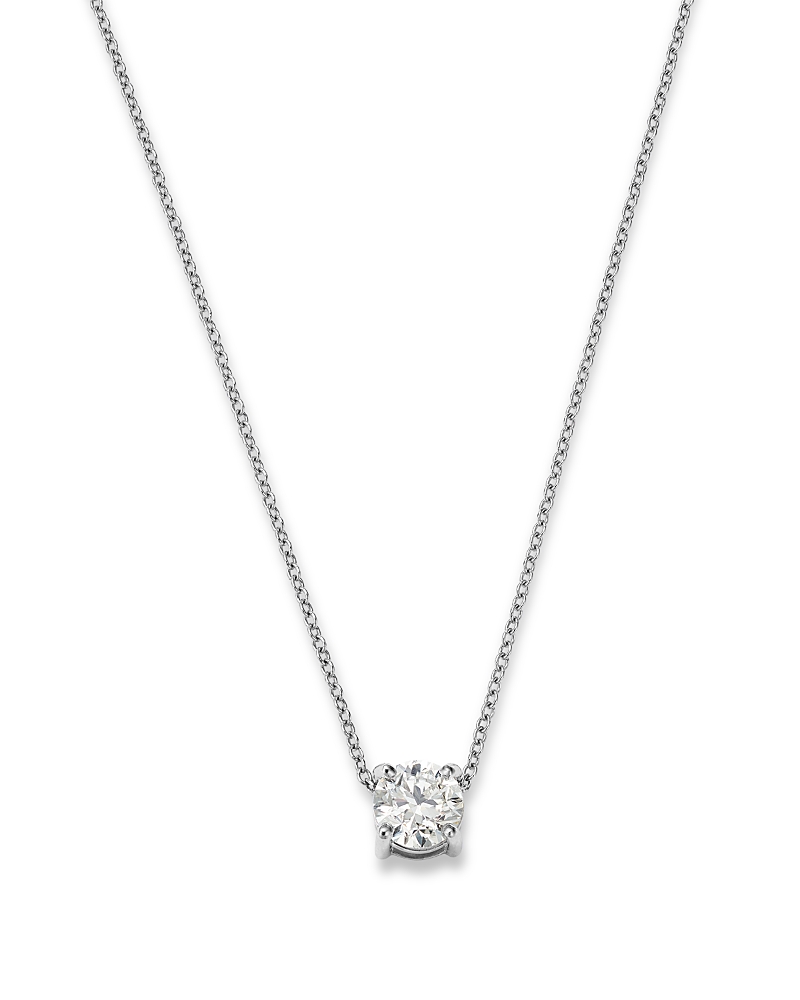
Based on this guide, here are hand-picked products from our partners that we recommend:
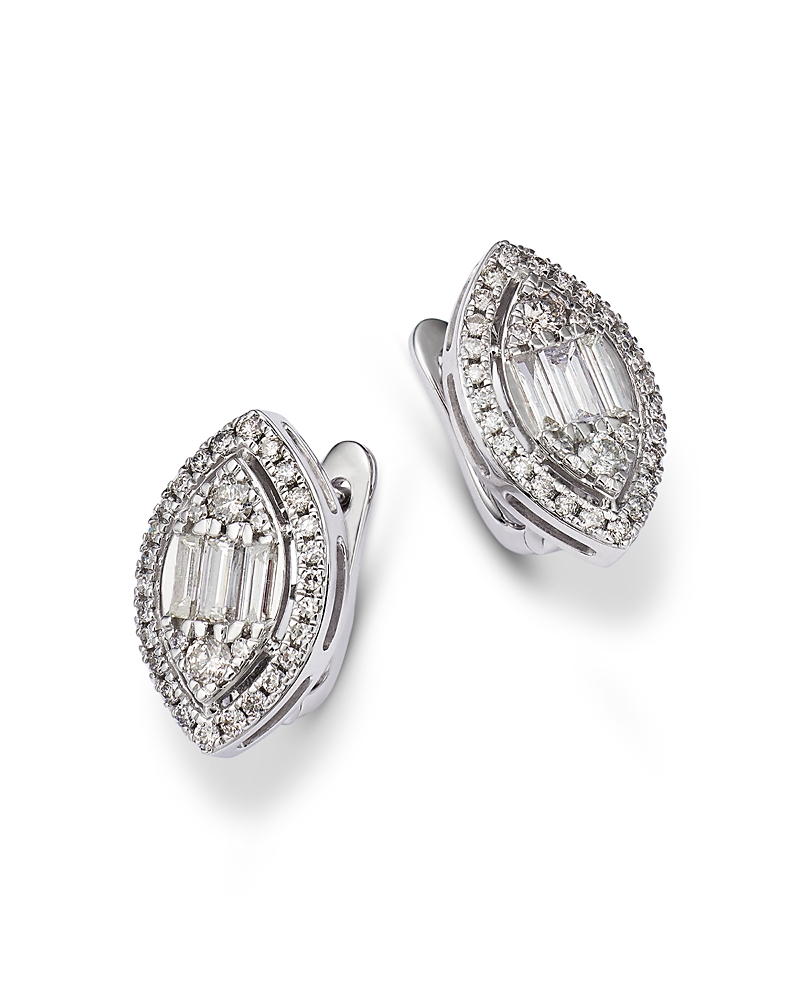
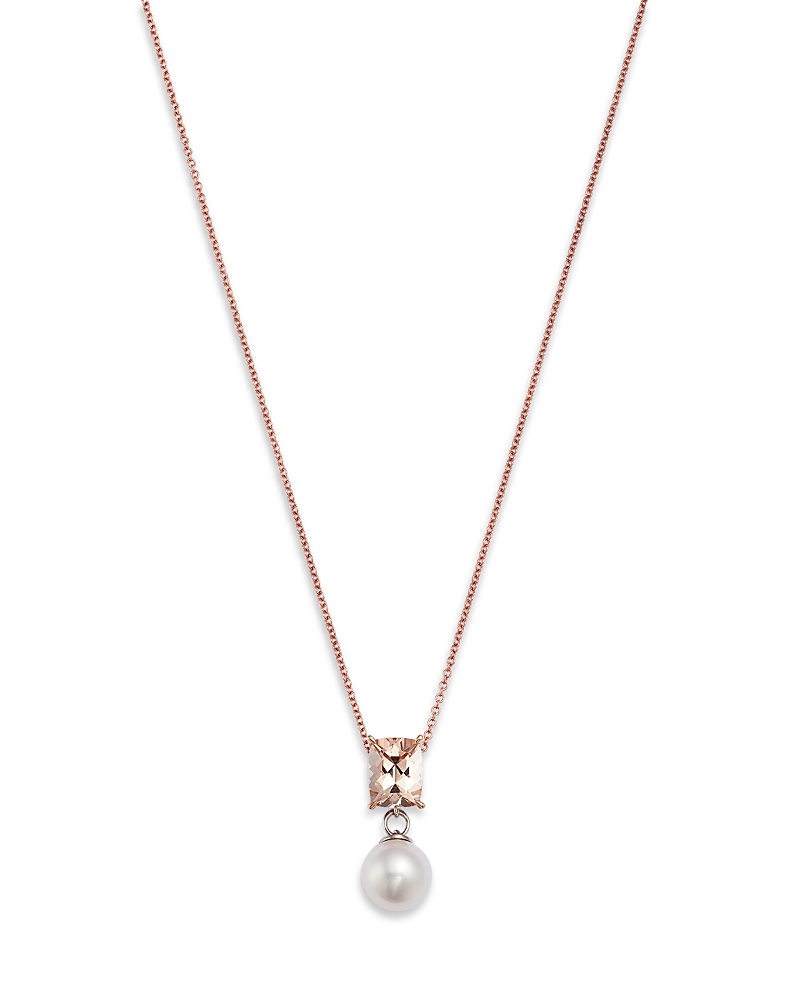
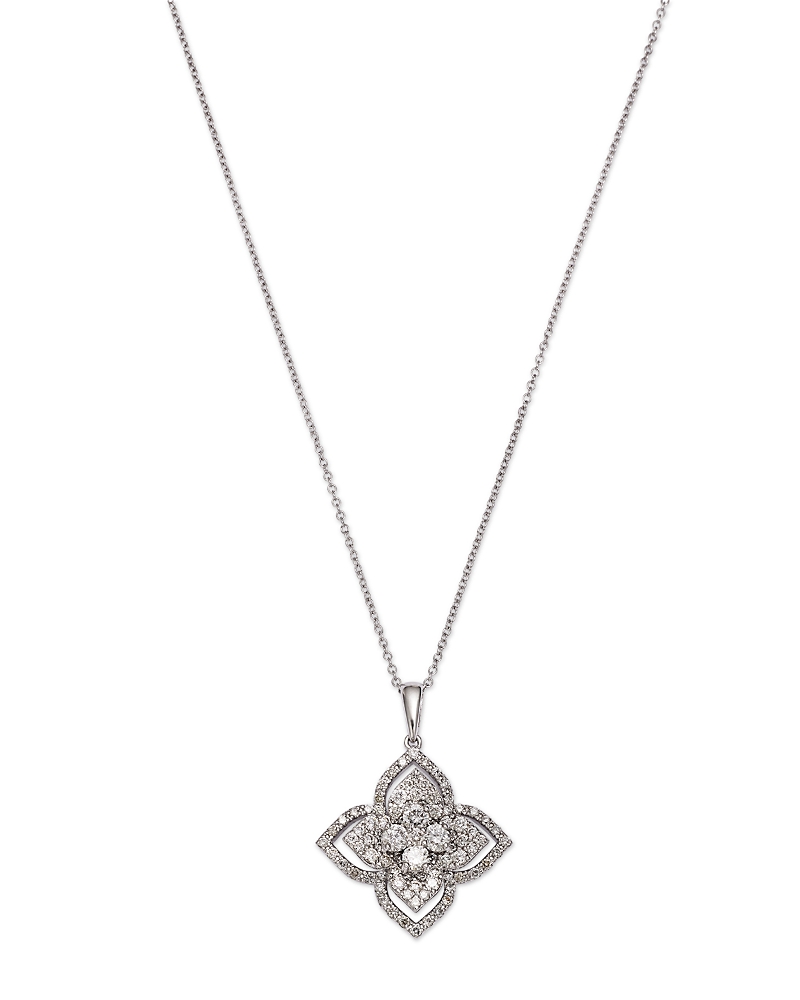
We may earn a commission if you buy through these links, at no extra cost to you.