

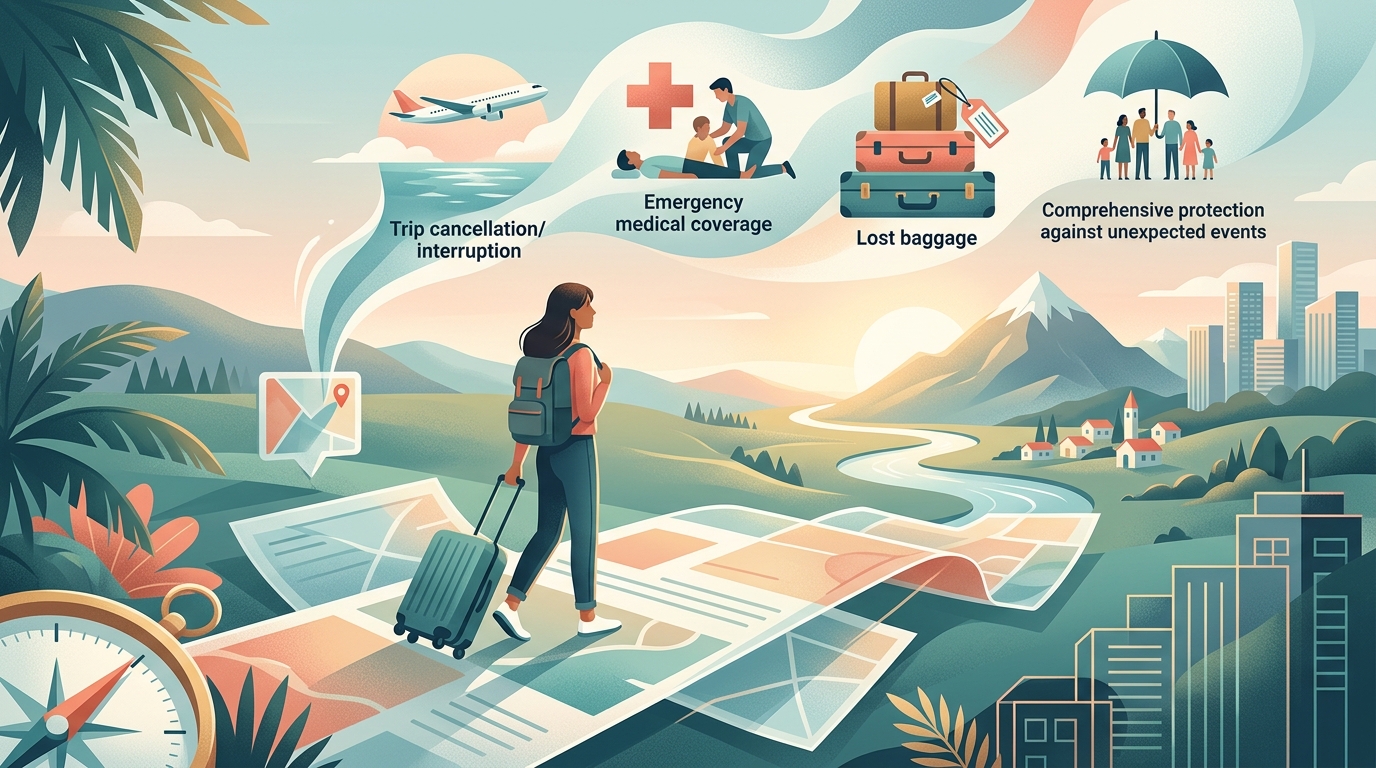
Travel insurance is one of those purchases many people make at the last minute, if they buy it at all. The problem is that most travelers do not ignore it because they are reckless; they ignore it because the terms are confusing, the policies seem similar, and it is hard to tell what is actually worth paying for. The good news is that you do not need to understand every line of policy language to choose well. You just need to know which risks can get expensive fast, which protections matter for your type of trip, and how to spot a policy that fits your real needs instead of just looking cheap.
If you think of travel insurance as protection against minor inconveniences, it can seem optional. If you think of it as protection against major financial surprises, it starts to make much more sense. A delayed suitcase is annoying. An overseas hospital visit, emergency transportation, or a canceled non-refundable trip can be financially painful. The right cover is less about buying every add-on available and more about making sure your biggest risks are covered properly.
Why travel insurance matters
The biggest reason travel insurance matters is simple: travel creates costs and risks that your normal routine does not. You are far from home, often in unfamiliar systems, sometimes in countries where medical care must be paid upfront. Flights get canceled, weather disrupts plans, luggage goes missing, and illnesses do not wait for convenient timing. Even healthy, organized travelers can run into situations that are expensive to solve on their own.
Many people assume their regular health insurance, credit card benefits, or airline compensation will cover everything. Sometimes these can help, but they often have limits. Domestic health insurance may offer little or no cover abroad. Credit card protections may apply only if you paid for the trip a certain way and they may focus more on delays or baggage than serious medical issues. Airline compensation rules vary and usually will not pay your medical bills or reimburse every non-refundable expense.
That is why travel insurance should be matched to the real cost of what could go wrong, not just the cost of the policy. A relatively inexpensive plan can protect you from bills that would otherwise be hard to absorb. For many travelers, the most important benefit is not trip cancellation or lost baggage. It is emergency medical cover and related assistance.
What travel insurance actually covers
Not all policies cover the same things, but most travel insurance plans are built around a few core protections. Understanding these categories makes comparing policies much easier.
Emergency medical expenses
This is often the most important part of a policy, especially for international travel. It can cover doctor visits, hospital treatment, prescription medication, and urgent care if you become sick or injured during your trip. If you are choosing where to focus your budget, this is usually the area to prioritize.
Emergency evacuation and repatriation
If you need to be moved to an appropriate medical facility or returned home because of a serious medical event, costs can become extremely high. Evacuation and repatriation benefits are easy to overlook until you realize how expensive emergency transport can be.
Trip cancellation and interruption
These benefits can reimburse you for prepaid, non-refundable travel costs if your trip is canceled before departure or cut short after it starts for a covered reason. Covered reasons usually matter more than the headline benefit amount, so read carefully.
Travel delay and missed connection
If a delay forces you to pay for meals, accommodation, or new transport arrangements, these benefits may help. They are useful, but they are rarely the most financially important feature of a policy.
Baggage loss, theft, or delay
This can reimburse you for lost belongings or essential purchases when baggage is delayed. These benefits can be helpful, though coverage limits and item caps are often lower than travelers expect.
What you actually need for most trips
For most travelers, the must-have protection is strong travel medical insurance. If you are going abroad, this is usually the coverage that matters most because medical treatment in another country can be unpredictable and expensive. A policy with reliable emergency medical cover and assistance services is often far more valuable than one loaded with smaller perks but weak medical limits.
Beyond medical coverage, what you need depends on your trip:
- Short city break: Medical cover, some delay protection, and basic baggage cover may be enough.
- Long international trip: Higher medical limits, evacuation cover, and interruption protection become more important.
- Family vacation: Look for clear cover for children, easy claims processes, and support if plans change unexpectedly.
- Adventure or active holiday: Make sure activities like skiing, diving, hiking at altitude, or scooter use are not excluded.
- Digital nomad or extended stay: Check trip length limits, renewal rules, and whether the policy works across multiple countries.
If you are trying to avoid overbuying, ask yourself one practical question: which problems would be expensive enough that you would struggle to pay for them yourself? That answer usually points directly to the cover you should prioritize.
Common mistakes travelers make
Choosing based on price alone
The cheapest policy is not automatically the best value. A low price may reflect low medical limits, more exclusions, or a claims process that is harder to use when you actually need help.
Ignoring exclusions
Many denied claims happen because travelers assumed something was covered when it was not. Pre-existing conditions, high-risk sports, alcohol-related incidents, and unattended belongings are common examples.
Buying too late
Some protections begin only after purchase, and cancellation-related benefits are most useful when the policy is bought soon after booking prepaid travel. Waiting until the day before departure can reduce the value of what you are buying.
Underinsuring medical needs
Travelers often focus on baggage and delays because they are easy to imagine, while underestimating medical costs abroad. In many cases, medical protection should be the core of your decision.
What to look for when buying
Clear medical coverage limits
Look for a policy that clearly states how much emergency medical cover is included. Higher limits are generally better, but clarity matters too. You want to understand what is covered without having to guess.
Emergency assistance services
A good policy is not just reimbursement after the fact. It should also provide access to support when something goes wrong, especially for medical emergencies in a foreign country.
Coverage for your destination and trip length
Check that your destination is included and that the policy covers the full duration of your trip. Some plans have regional limits or maximum trip lengths that can catch travelers out.
Reasonable exclusions
Every policy has exclusions, but the better ones explain them clearly. Review rules around pre-existing conditions, sports, pregnancy, valuables, and local transport use if relevant to your trip.
Simple, realistic claims process
When you are comparing policies, look for clear guidance on what documents are needed, how to contact support, and how claims are submitted. Convenience matters more than many travelers realize.
Good value, not just a low premium
The right policy should feel proportionate to your trip. A slightly higher premium can be worth it if it offers meaningfully better medical protection, stronger support, or fewer coverage gaps.
Practical tips for buying smarter
- Buy soon after booking if you have significant non-refundable trip costs.
- Read the summary of benefits and the exclusions, not just the marketing highlights.
- Match your policy to your actual activities, not your idealized itinerary.
- Keep receipts and documentation if anything goes wrong during the trip.
- Save emergency assistance contact details somewhere accessible offline.
- Be honest in your application, especially about health-related information.
Travel insurance is easiest to appreciate before you need it and most important when you do. If you focus first on strong medical protection, then compare the policy details that match your destination, trip length, and activities, you will avoid the most common buying mistakes. The products below are a good next step if you want to compare practical cover options and find a travel medical insurance policy that fits how you actually travel.
Our Top Recommendations
Based on this guide, here are hand-picked products from our partners that we recommend:

We may earn a commission if you buy through these links, at no extra cost to you.