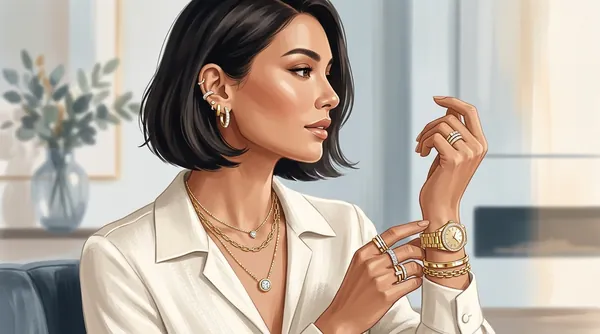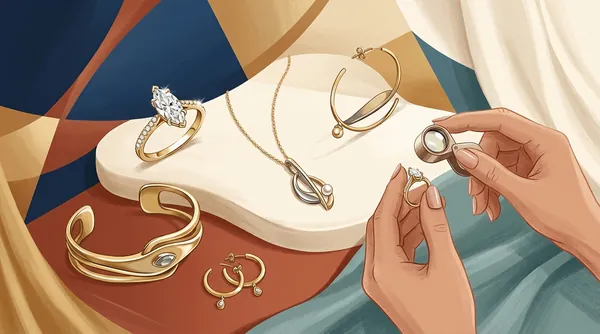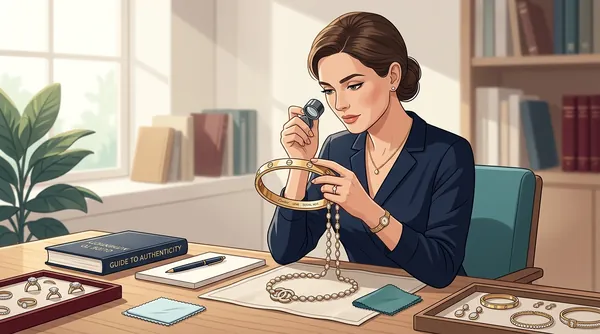

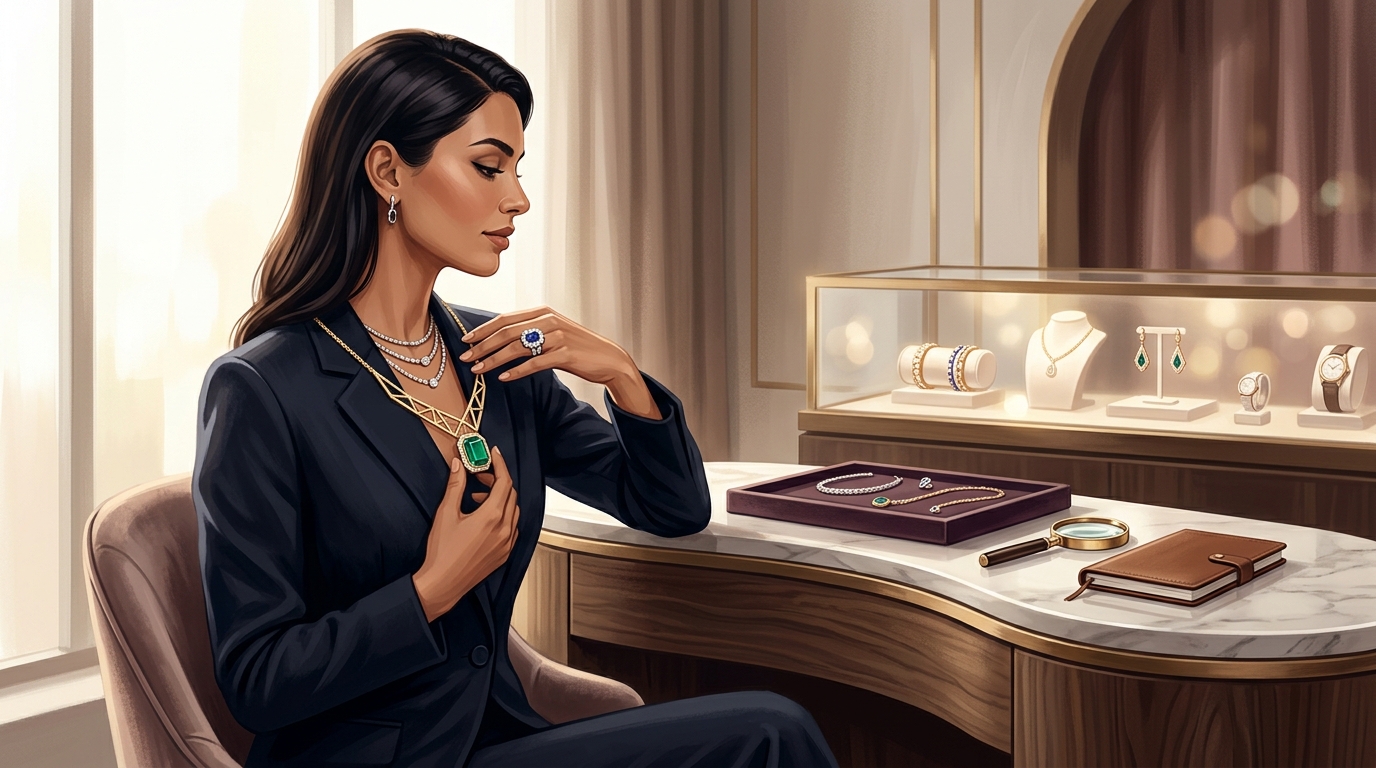
Luxury jewelry is more than decoration. The right piece can mark a milestone, elevate everyday style, become a future heirloom, and deliver real long-term satisfaction when chosen well. But high-end jewelry also comes with higher stakes: premium materials, meaningful price differences, and quality details that are easy to miss if you do not know what to look for.
This 2026 luxury jewelry buying guide is designed to help you shop with confidence. Whether you are buying for yourself or choosing a gift, the goal is simple: understand what makes a piece worth the investment, avoid common mistakes, and focus on jewelry that combines beauty, wearability, and lasting value.
Why buying luxury jewelry carefully matters
At the luxury level, small differences in craftsmanship and materials can dramatically affect appearance, durability, and price. Two necklaces may look similar at first glance, yet one may feature brighter diamonds, stronger settings, better finishing, and a design that sits more elegantly on the body. Those details are exactly what separate a piece that feels merely expensive from one that feels truly exceptional.
Shopping carefully also matters because luxury jewelry is often emotional. It may celebrate an anniversary, birthday, graduation, promotion, wedding, or personal achievement. When a purchase carries that kind of meaning, you want a piece that still feels beautiful and relevant years from now.
There is also a practical side. Fine jewelry should be comfortable to wear, secure enough for regular use, and versatile enough to justify its place in your collection. The best luxury purchases do not stay in a box. They become signature pieces that you reach for again and again.
Start with the right type of piece
Before comparing diamonds or gold purity, think about how the jewelry will actually be worn. The most satisfying purchase is usually the one that fits the recipient’s lifestyle, wardrobe, and personal taste.
Ask these questions first
- Is this meant for daily wear, occasional wear, or formal events?
- Does the wearer prefer classic, modern, romantic, bold, or playful designs?
- Is layering important, or should the piece stand alone?
- Will it be worn with white metals, yellow gold, or mixed metals?
- Is symbolism part of the appeal, such as floral, animal, solitaire, or milestone-inspired designs?
For example, someone who loves understated elegance may prefer a solitaire pendant or refined lariat silhouette. Someone with a more expressive style may gravitate toward a statement motif, texture, or a design with contrast diamonds and warmer gold tones. Knowing the wearer’s style prevents overspending on a piece that is beautiful in theory but wrong in practice.
Understand the materials that define luxury
Gold: look beyond color alone
In luxury jewelry, 14K gold remains a smart choice because it balances richness with durability. It contains a high percentage of pure gold while being strong enough for frequent wear. White gold offers a crisp, contemporary look that pairs especially well with diamonds, while yellow gold delivers warmth and timelessness.
When evaluating gold, pay attention to:
- Karat: 14K is often ideal for fine jewelry that will be worn regularly.
- Color preference: White gold feels sleek and modern; yellow gold feels classic and radiant.
- Finish: Smooth polishing and even metal tone are signs of better workmanship.
- Weight: A substantial feel usually signals stronger construction and better quality.
Diamonds: beauty is more than carat size
Carat weight gets attention, but it is only one part of a diamond’s appeal. In necklaces and pendants, sparkle, balance, and overall design often matter just as much as size. A well-cut diamond with lively brilliance can look more luxurious than a larger stone with weaker light performance.
Focus on the classic diamond factors:
- Cut: The biggest driver of sparkle and life.
- Color: Higher color grades generally appear whiter, especially in white gold settings.
- Clarity: Clean-looking diamonds are important, though tiny inclusions may not be visible without magnification.
- Carat: Consider total visual impact, not just the number.
For multi-stone designs, consistency matters. Diamonds should appear well matched in color, brilliance, and setting. For certified center stones, documentation provides added confidence in what you are buying.
What craftsmanship tells you about quality
Luxury jewelry should look refined from every angle, not just from the front. Strong craftsmanship improves beauty, comfort, and longevity.
Check these quality markers
- Secure settings: Prongs, bezels, and links should feel precise and sturdy.
- Clean finishing: No rough edges, sharp points, or uneven soldering.
- Balanced design: Pendants should hang properly and feel proportionate to the chain.
- Chain quality: The chain should complement the pendant in both strength and visual weight.
- Clasp reliability: A luxury piece should have a clasp that closes smoothly and securely.
These details are especially important for pendant necklaces, where weak chains or poorly balanced drops can affect both comfort and safety. If a necklace twists constantly, flips the wrong way, or feels fragile, it may not deliver the luxury experience you expect.
How to choose a piece that feels truly worth it
Value in luxury jewelry is not only about lowest price or biggest stone. It is about buying a piece that gives you lasting satisfaction every time you wear it.
Prioritize wearability
A necklace can be stunning in a display but disappointing in real life if it is too heavy, too delicate for your habits, or too specific to style often. Versatile luxury jewelry earns its place by working with cashmere, silk, denim, eveningwear, and everything in between.
Think about longevity
Trends can be fun, but many luxury buyers are happiest when they choose designs with enduring appeal. Solitaires, floral motifs, elegant drops, and refined diamond accents tend to age gracefully. A distinctive design can still be timeless if the craftsmanship and proportions are strong.
Buy for emotional impact
The best piece often creates an instant reaction. It feels like the right match for the moment and the person. Luxury jewelry should make the wearer feel polished, confident, and a little excited every time it goes on.
Practical buying tips for 2026
Luxury jewelry buyers are savvier than ever, and that is a good thing. In 2026, smart shopping means balancing aesthetics with verifiable quality and realistic use.
- Set a purpose before a budget: Decide whether the piece is an heirloom-style investment, a signature everyday necklace, or a memorable gift.
- Compare design categories, not just specifications: A lower-carat piece with stronger design may deliver more impact than a larger but less elegant option.
- Look for certification when relevant: Especially for significant solitaire diamonds, certification adds trust and transparency.
- Consider neckline compatibility: Pendant length and drop style affect how flattering and versatile the necklace will be.
- Choose a metal color that complements existing jewelry: This increases how often the piece will be worn.
- Do not ignore personality: Luxury jewelry should reflect the wearer’s style, not just conventional rules.
What to look for when buying luxury jewelry online
Many shoppers now buy fine jewelry online, and that can be an excellent option when you know how to evaluate listings carefully.
Use this checklist
- Clear product details for metal type, carat weight, and design dimensions
- Information about whether diamonds are certified or graded
- Multiple images showing scale, angle, and detail
- A trustworthy retailer with a strong reputation
- Return policies and customer support that reduce purchase risk
Product photography can make scale tricky, so always pay attention to measurements and total carat weight. A delicate pendant may be perfect if you want subtle luxury, while a larger diamond-forward design may be better if you want visible impact from across the room.
Common mistakes to avoid
- Choosing only by carat size and ignoring cut, design, and wearability
- Overlooking chain quality and clasp security
- Buying a statement piece that does not match the wearer’s style
- Assuming all diamond jewelry of similar weight will look equally luxurious
- Forgetting to consider whether the piece layers well or stands alone
Luxury jewelry is at its best when beauty, engineering, and personal taste all align. Taking a little extra time before you buy can make the difference between a good purchase and a piece you genuinely treasure.
As you compare options, focus on the essentials: quality materials, confident craftsmanship, flattering design, and a style that feels special enough to wear for years. The selections that follow highlight luxury necklaces and pendants that embody these principles, making it easier to find a piece that feels both indulgent and smart.
Our Top Recommendations
Based on this guide, here are hand-picked products from our partners that we recommend:
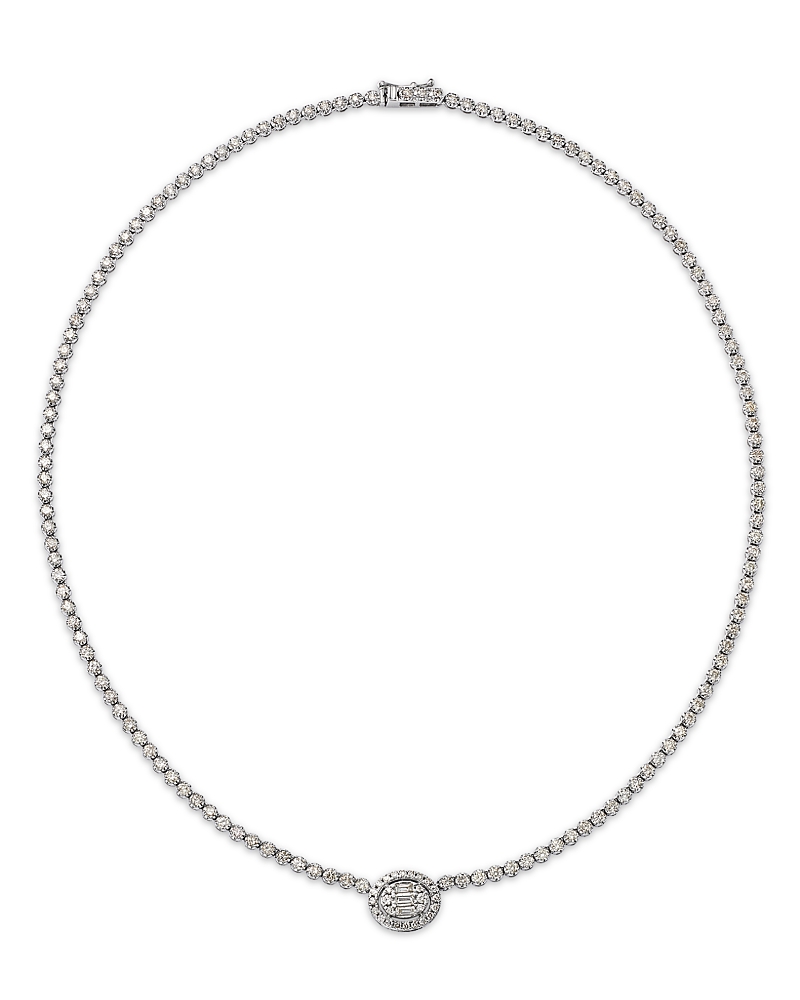
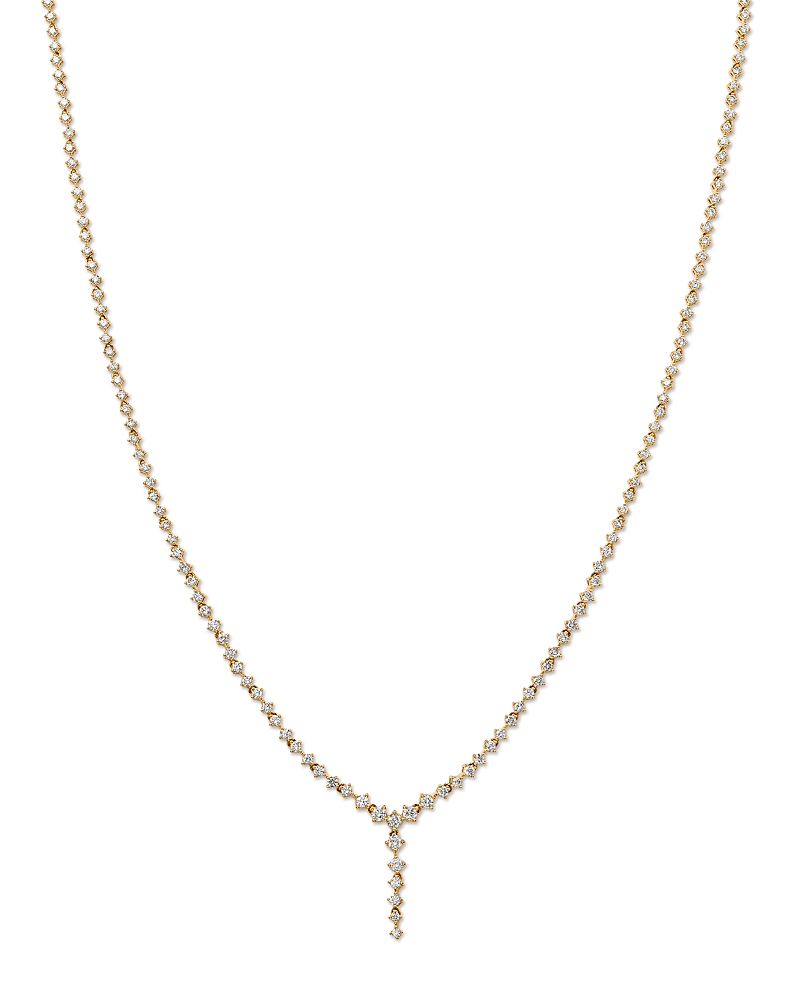
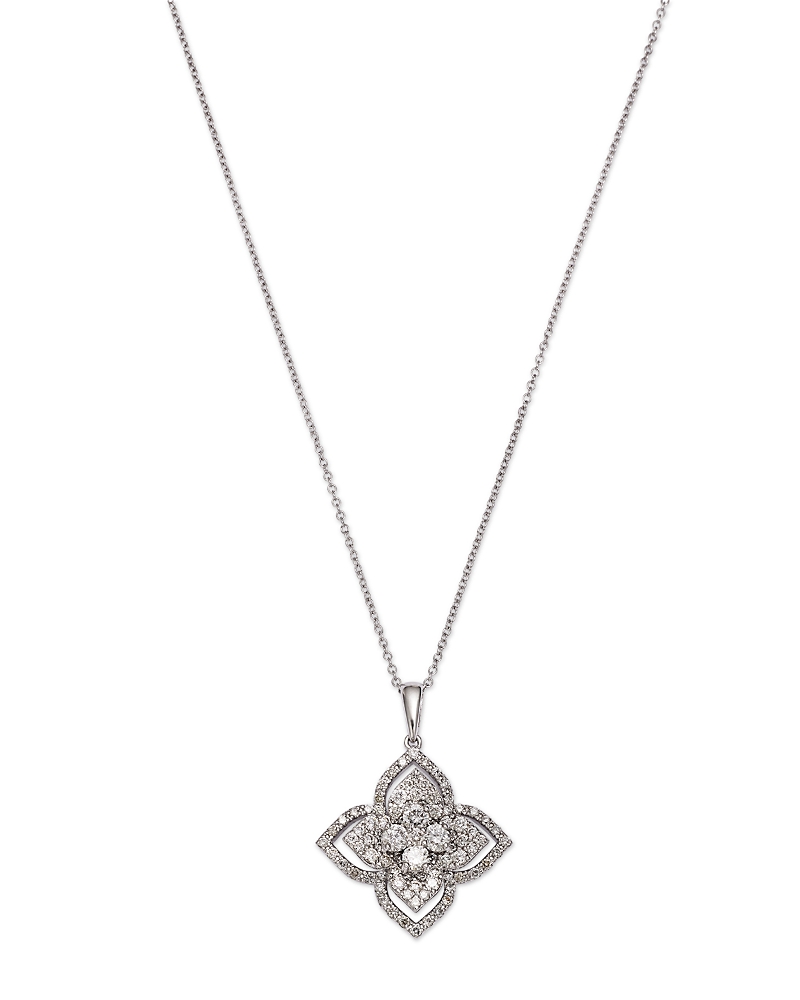
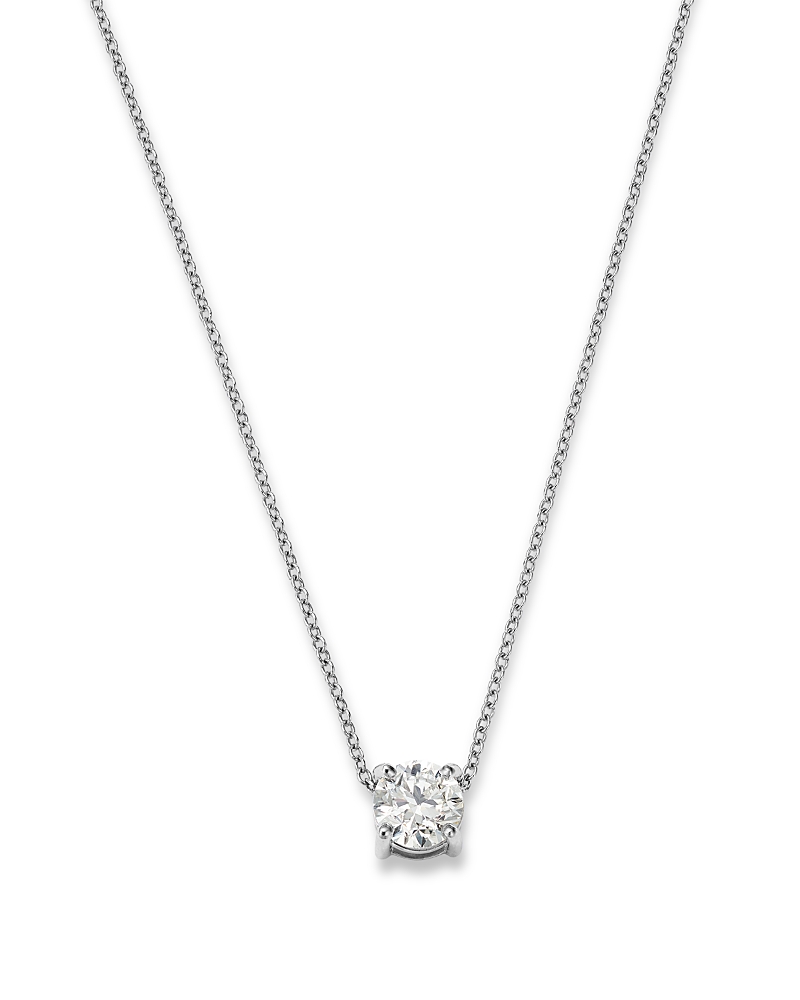
We may earn a commission if you buy through these links, at no extra cost to you.