
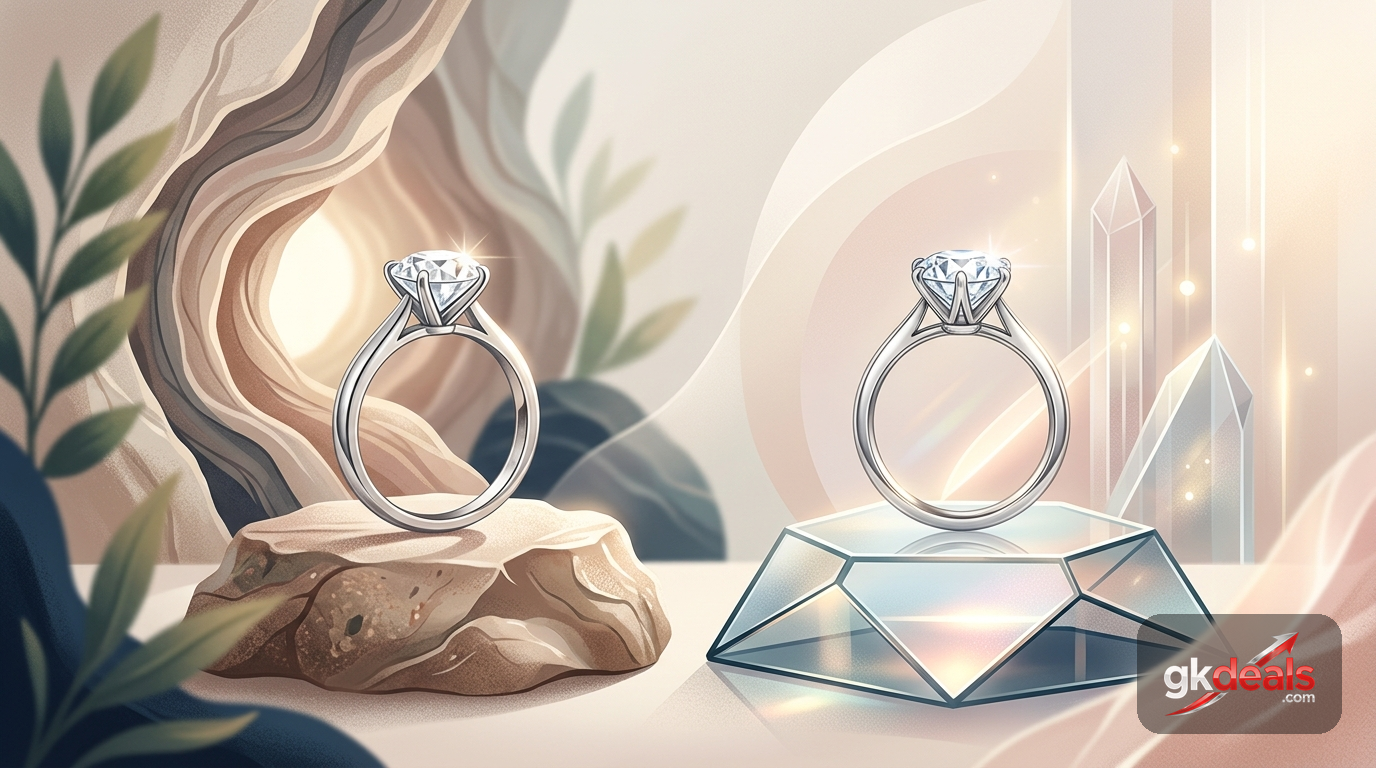
Choosing between lab-grown and natural diamonds can feel surprisingly complicated. At first glance, they appear the same, and in many cases even professionals need specialized equipment to tell them apart. But while their beauty and sparkle may be nearly identical, their origin, price, rarity, and buying considerations are not. If you are shopping for diamond jewelry, understanding those differences can help you spend wisely and choose a piece that truly fits your priorities.
Whether you are buying a gift, marking a milestone, or simply investing in a piece you plan to wear often, the best choice comes down to more than just looks. It also depends on your budget, your values, and how important factors like rarity, resale expectations, and overall design are to you.
What Is the Difference Between Lab-Grown and Natural Diamonds?
Natural diamonds form deep within the earth over billions of years under intense heat and pressure. They are brought closer to the surface through volcanic activity and then mined, cut, and polished for jewelry.
Lab-grown diamonds, sometimes called man-made or engineered diamonds, are created in controlled environments using advanced technology that replicates the conditions under which natural diamonds form. The two main production methods are High Pressure High Temperature (HPHT) and Chemical Vapor Deposition (CVD).
Here is the most important fact for buyers: lab-grown diamonds are real diamonds. They are not diamond simulants like cubic zirconia or moissanite. They have the same basic chemical composition as natural diamonds, rank 10 on the Mohs hardness scale, and offer the same kind of brilliance when well cut.
The biggest difference is origin. One comes from the earth; the other comes from a laboratory.
Why This Choice Matters for Buyers
Price and Size Expectations
For many shoppers, price is the biggest deciding factor. Lab-grown diamonds typically cost less than natural diamonds of similar size and quality. That means buyers can often afford a larger stone or a higher color and clarity grade for the same budget.
If your goal is maximizing visual impact without overspending, lab-grown diamonds are appealing. If your goal is owning a naturally rare gemstone formed over geological time, a natural diamond may feel more meaningful despite the higher price.
Rarity and Emotional Appeal
Natural diamonds carry a sense of rarity because they are finite and earth-formed. Some buyers are drawn to that story and the tradition associated with natural diamond jewelry. Others prefer the modern appeal of lab-grown diamonds, especially if they like the idea of choosing a real diamond with a more accessible price point.
Neither preference is wrong. This is less about which diamond is objectively better and more about which one better reflects the reason you are buying it.
Resale and Long-Term Expectations
Buyers should be realistic about resale. In general, most diamond jewelry does not retain value in the way many first-time shoppers expect, whether it is lab-grown or natural. However, natural diamonds have historically had stronger resale recognition because of their rarity and longer-established market.
Lab-grown diamonds tend to have lower resale demand and may depreciate more quickly. If you are buying jewelry primarily to wear and enjoy, this may not matter much. But if future trade-in or resale value is important to you, it is worth asking about store policies and understanding market expectations upfront.
Sustainability and Ethics Questions
Some shoppers consider lab-grown diamonds because they want an alternative to mined stones. While lab-grown diamonds avoid mining, sustainability is not always a simple yes-or-no issue. Energy use varies by producer, and environmental impact depends partly on how that energy is sourced. Natural diamonds, meanwhile, can come from operations with different labor, environmental, and traceability standards.
The practical takeaway is to look beyond marketing claims. If ethics or sustainability matter to you, ask for specifics about sourcing, certifications, and brand transparency.
How to Compare Diamonds the Smart Way
Start With the 4 Cs
Whether a diamond is lab-grown or natural, quality is still evaluated using the 4 Cs:
- Cut: The most important factor for sparkle. A well-cut diamond reflects light better and often looks more impressive than a larger poorly cut stone.
- Color: The less color visible, the higher the grade in most white diamonds.
- Clarity: Refers to internal inclusions and surface blemishes.
- Carat: Measures weight, not just visible size.
If you want the best-looking diamond for your money, prioritize cut first. A beautiful cut can make even a modest stone look lively and bright.
Do Not Buy Based on Carat Alone
Many buyers focus too much on carat weight, but bigger is not automatically better. Two diamonds of the same carat can look very different depending on cut proportions, shape, and setting style. Sometimes choosing a slightly smaller but better-cut diamond creates a more elegant and brilliant result.
Consider the Jewelry Style
The right diamond also depends on the type of jewelry you want. In everyday pieces like necklaces, stud earrings, and delicate pendants, buyers often prioritize sparkle, comfort, and overall design over investment concerns. In those cases, lab-grown diamonds can be an especially practical choice because they let you enjoy the look of fine diamond jewelry at a lower cost.
For heirloom-minded purchases or pieces where the origin story matters deeply, natural diamonds may hold stronger emotional appeal.
What to Look for When Buying Diamond Jewelry
Independent Certification
Look for diamonds graded by reputable independent labs such as GIA or IGI. Certification gives you an objective assessment of quality and helps you compare stones more confidently. For lab-grown diamonds in particular, the report should clearly state that the diamond is laboratory-grown.
Clear Product Details
Read the listing carefully. A trustworthy seller should disclose whether the diamond is lab-grown or natural, along with shape, total carat weight, metal type, setting style, and chain or sizing details when relevant. Vague descriptions are a red flag.
Metal Quality and Craftsmanship
The diamond is not the only thing that matters. Pay attention to the setting metal, clasp quality, prongs, and overall finish. Fine metals such as 14K or 18K gold and platinum offer better durability and long-term wear than cheaper alternatives. In necklaces and other frequently worn pieces, secure construction matters just as much as stone quality.
Return Policy and Warranty
Even beautiful jewelry can look different in person than it does online. A fair return window gives you peace of mind. It is also smart to check for warranty coverage or repair services, especially for fine jewelry you plan to wear regularly.
Match the Purchase to the Occasion
Ask yourself what this piece needs to do. Is it an everyday staple, a meaningful gift, a statement piece, or a milestone purchase? For daily wear, comfort, durability, and versatile styling may matter most. For a sentimental gift, the symbolism and presentation may carry more weight. The best diamond choice is the one that fits the role the jewelry will play in real life.
Who Should Choose Lab-Grown Diamonds?
Lab-grown diamonds are often a strong fit for buyers who:
- Want the look and durability of a real diamond at a lower price
- Prefer getting more size or quality for their budget
- Are shopping for fashion-forward or everyday fine jewelry
- Care more about appearance and wearability than geological rarity
They are especially attractive in modern jewelry designs where brilliance, clean style, and value are top priorities.
Who Might Prefer Natural Diamonds?
Natural diamonds may be the better choice for buyers who:
- Value rarity and the earth-formed origin story
- Prefer traditional diamond buying conventions
- Care about long-established market perception
- Want a piece that feels especially heirloom-oriented
For these shoppers, the premium price may feel justified by the emotional significance of owning a naturally formed stone.
Final Buying Advice
If you are deciding between lab-grown and natural diamonds, the smartest approach is to ignore hype and focus on what matters most to you: budget, beauty, meaning, and how you plan to wear the piece. There is no universal winner. A well-made lab-grown diamond jewelry piece can be a stunning and practical purchase, while a natural diamond can offer a sense of rarity and tradition that some buyers deeply value.
Once you know your priorities, it becomes much easier to narrow your options and choose a piece you will feel good about every time you wear it. If you are ready to compare styles that deliver real diamond sparkle, elegant craftsmanship, and strong everyday wear potential, the selections that follow are a great place to start.
Our Top Recommendations
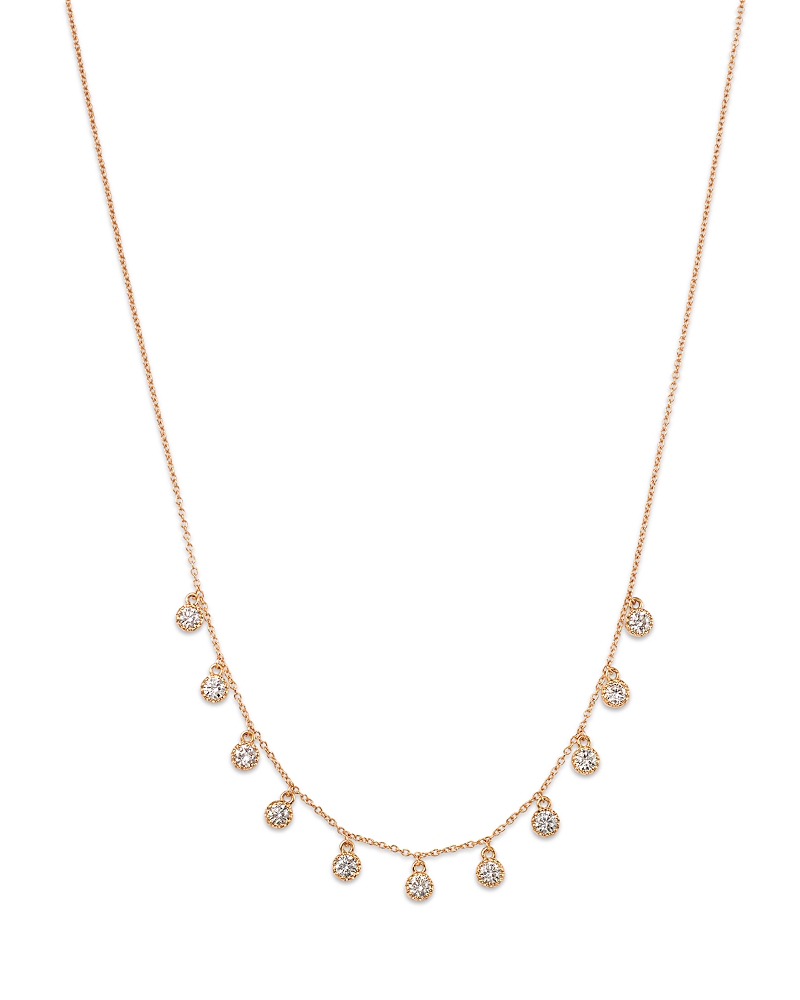
Based on this guide, here are hand-picked products from our partners that we recommend:
We may earn a commission if you buy through these links, at no extra cost to you.