
Jewelry sits in a unique category: it can be deeply personal, highly wearable, and expensive enough to feel like a real financial decision. That is why so many shoppers ask whether an investment jewelry piece is actually worth it. The honest answer is yes—sometimes. A well-chosen piece can hold value better than trend-driven fashion jewelry, last for decades, become an heirloom, and give you repeated enjoyment every time you wear it. But not every fine jewelry purchase should be treated like a financial asset, and buying with the wrong expectations can lead to disappointment.
If you are considering a diamond pendant, gold necklace, or another fine piece as an investment, it helps to think in two ways at once: value retention and personal value. The best investment jewelry often combines both. It uses quality materials, timeless design, and strong craftsmanship while also being versatile enough to wear for years. That balance is what makes a purchase feel smart rather than impulsive.
Why investment jewelry matters
Unlike many luxury purchases, fine jewelry can offer lasting utility. You are not simply paying for a label or a passing trend. You are buying precious materials—such as gold and diamonds—set into something designed to endure. A good piece may hold a meaningful portion of its value over time, especially if it features high-quality stones, classic styling, and precious metal content that remains desirable in the resale market.
That said, "investment" should not always mean "I will sell this later for a profit." In jewelry, that outcome is less predictable than many buyers assume. Retail markups, brand premiums, market demand, condition, certification, and design all affect resale value. Most fine jewelry is better understood as a long-term value purchase rather than a short-term flip. It may preserve worth better than costume jewelry, but the biggest return often comes from longevity, wearability, and emotional significance.
For many buyers, investment jewelry matters because it helps justify spending more on one excellent piece instead of repeatedly replacing lower-quality options. A timeless necklace in solid gold with well-matched diamonds can work for daily wear, special events, gifting, and even future inheritance. When a piece fits seamlessly into your life, its cost per wear often becomes surprisingly reasonable.
What makes a jewelry piece worth investing in?
Timeless design over fast trends
Classic styles generally perform better over time than novelty pieces because they stay wearable across changing tastes. Solitaire pendants, elegant diamond necklaces, refined lariats, and simple motif pieces tend to have broader long-term appeal than highly trend-specific designs. That does not mean a distinctive style cannot be worth buying—it simply means timeless silhouettes are usually safer if long-term value is a priority.
Precious materials with lasting demand
Solid gold and natural diamonds remain the foundation of many investment-oriented jewelry purchases. Gold has intrinsic material value, and diamond jewelry continues to attract demand when quality is strong. Pay attention to metal purity and color preference, but also think about practicality. For example, 14K gold is often a smart sweet spot because it offers durability for regular wear while still providing substantial precious metal content.
Craftsmanship and construction
A piece is only as good as the way it is made. Weak clasps, flimsy chains, poorly set stones, and uneven finishing can hurt both wearability and long-term value. Fine jewelry should feel secure, balanced, and well-finished. Prongs should be neat, settings should protect stones properly, and the chain should match the weight and importance of the pendant or centerpiece.
Wearability
One of the easiest ways to judge whether a piece is worth the money is to ask: will I actually wear this often? Jewelry that spends years in a box may still be beautiful, but it is harder to call it a smart investment. Pieces that transition from day to night, layer easily, and complement different outfits tend to deliver more real-world value.
Practical tips before you buy
Set the right expectations
Go into the purchase understanding that most jewelry is not the same as buying a stock, bond, or rental property. You are investing in a luxury object with both material and emotional value. If resale performance matters to you, focus on quality and timelessness—but do not rely on a guaranteed financial return. Buy something you would still love to own even if you never sold it.
Prioritize quality over size alone
Many buyers focus first on total carat weight, but size is only one piece of the picture. A slightly smaller diamond with better cut, clarity, and overall brilliance may look more impressive than a larger stone of lower quality. The same principle applies to design: a beautifully executed necklace can feel far more luxurious than a bigger but poorly made alternative.
Choose a style that suits your life
Think about your wardrobe, your usual necklines, and how often you dress up. A refined pendant can be ideal for daily wear, while a more dramatic statement necklace may be best for occasions. The more naturally a piece fits your lifestyle, the more likely it is to become a true go-to item rather than an occasional indulgence.
Buy from a reputable retailer
Trust matters. Look for a seller known for fine jewelry standards, transparent product details, and clear policies on returns, care, and authenticity. Reliable retailers provide important information about metal type, stone weight, certifications when applicable, and craftsmanship details that help you compare pieces intelligently.
Think about maintenance
Fine jewelry lasts longest when cared for properly. Before buying, ask yourself whether you are willing to clean it regularly, store it safely, and have prongs or clasps checked when needed. A lower-maintenance piece that you care for consistently may prove more worthwhile than a more delicate option you rarely feel comfortable wearing.
What to look for when buying investment jewelry
Metal quality
Start with the basics: is the piece made from solid precious metal rather than plated base metal? Solid gold is generally more desirable for long-term ownership. Consider:
- 14K gold: durable, practical, and popular for everyday fine jewelry
- 18K gold: richer in gold content, often slightly softer, and more luxurious in feel
- White vs. yellow gold: mostly a style choice, though you should pick what you will enjoy wearing most
For many buyers, durability and versatility make 14K gold a particularly smart choice for necklaces and pendants intended for frequent wear.
Diamond quality and certification
If diamonds are part of the piece, learn the basics of the 4 Cs: cut, color, clarity, and carat weight. Cut has a major impact on sparkle, so do not overlook it. For larger center stones especially, certification from a respected grading lab can add confidence and support future resale or insurance documentation. Even when a full certification is not included for every accent stone, accurate specifications and honest grading information are important signs of quality.
Design longevity
Ask whether the style will still feel elegant in five or ten years. Pieces with clean lines, balanced proportions, and versatile silhouettes usually age better than trend-heavy designs. This is especially important if you are spending enough that you expect to keep the piece for decades or pass it on later.
Chain and setting security
Necklaces deserve close inspection because the chain does much of the practical work. Look for a secure clasp, sturdy links, and an appropriate chain thickness for the pendant or diamond weight. Stone settings should be even and secure, with no obvious gaps or looseness. A beautiful stone can quickly become a bad investment if the setting is unreliable.
Versatility and layering potential
Some of the best investment jewelry pieces are the ones you can style multiple ways. A necklace that works alone, layers easily, and suits both casual and formal outfits will often deliver more satisfaction than a piece with narrower styling potential. Versatility supports value because it increases wear frequency.
Emotional staying power
Do not underestimate the personal side of value. Jewelry often becomes most worthwhile when it marks a milestone, celebrates an achievement, or simply reflects your taste so perfectly that you never tire of it. If a piece feels meaningful and timeless to you, that can be just as important as technical resale considerations.
When investment jewelry is worth it—and when it is not
Investment jewelry is usually worth it when you are buying high-quality materials, timeless design, dependable craftsmanship, and a piece you will truly wear. It is especially compelling if you want one lasting item instead of a cycle of cheaper purchases that lose appeal quickly. It may be less worth it if you are buying mainly because of hype, assuming guaranteed appreciation, or stretching your budget for a style that does not really fit your life.
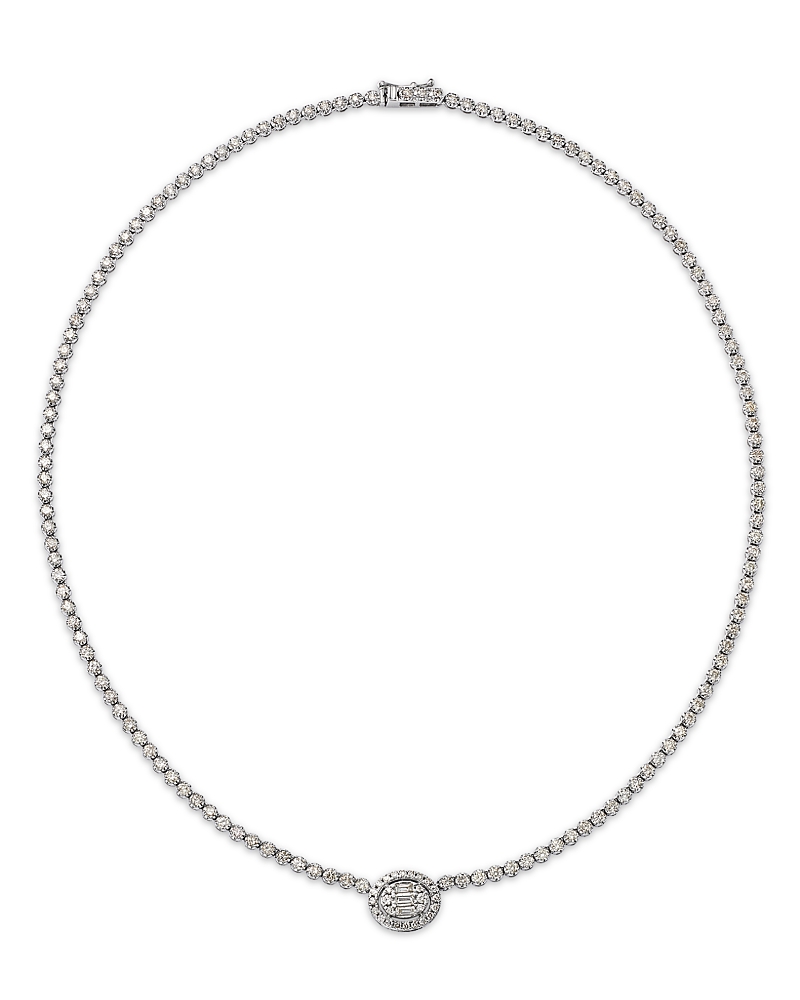
The smartest approach is to buy with both your head and your heart. Look for solid gold, well-made settings, reputable diamond details, and a design with lasting appeal. Then choose the piece that gives you that rare combination of confidence, beauty, and long-term usefulness. If you are ready to compare styles that balance elegance, quality, and wearability, the selections below are a strong place to start.
Our Top Recommendations
Based on this guide, here are hand-picked products from our partners that we recommend:
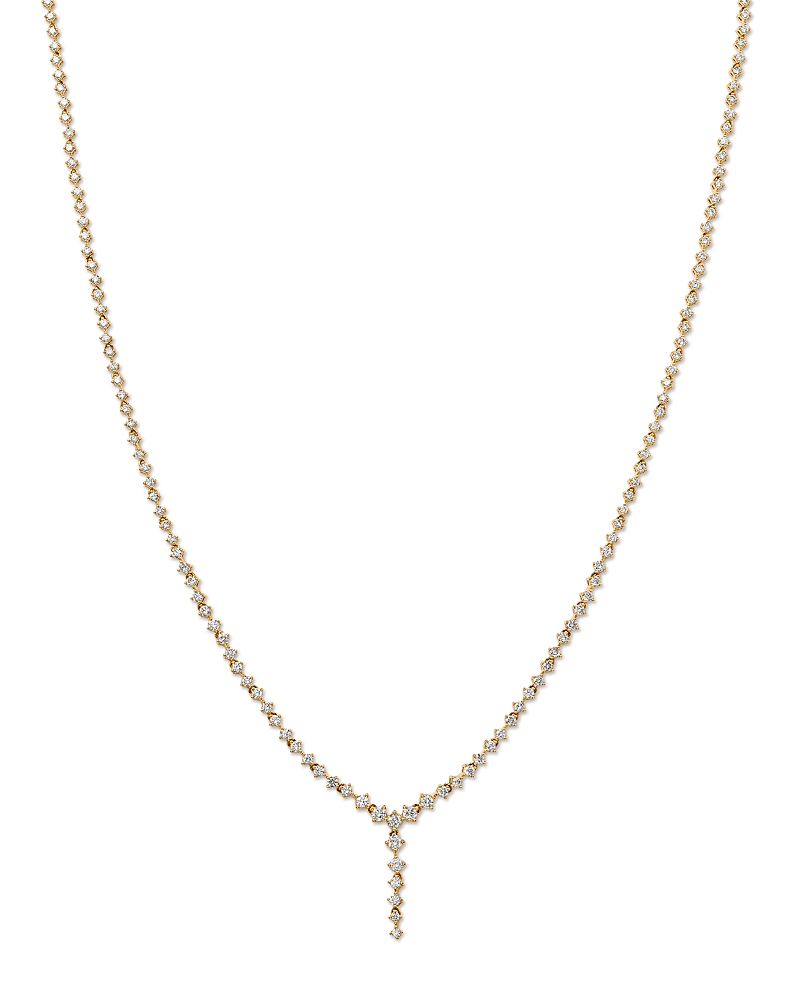
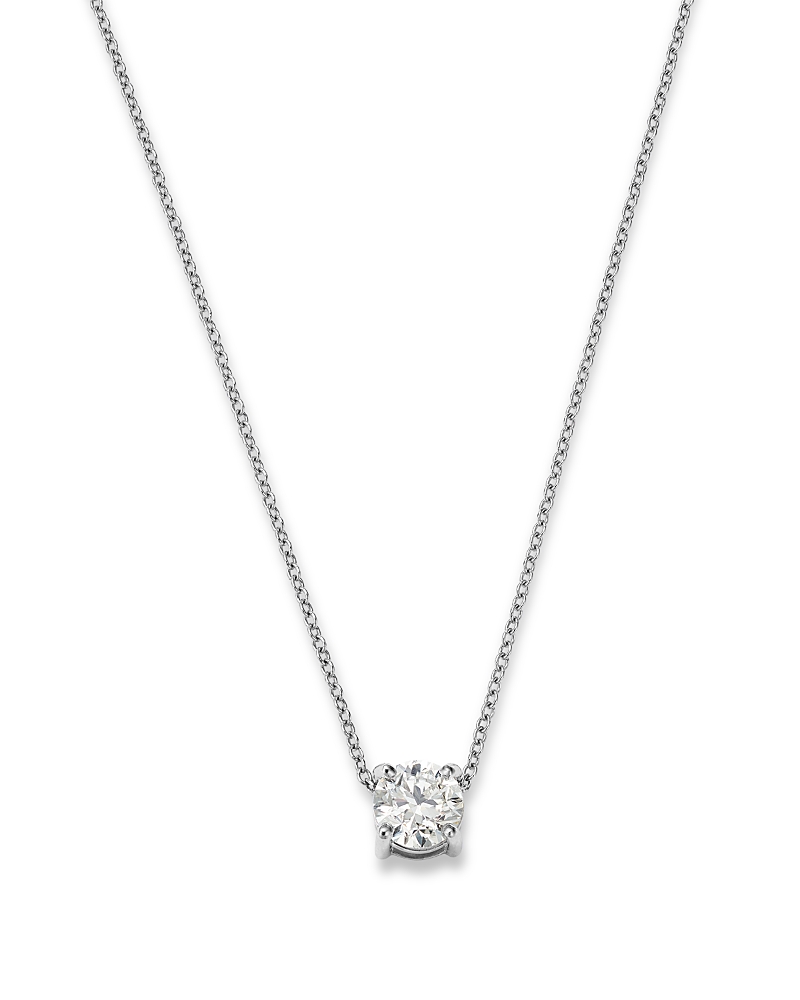
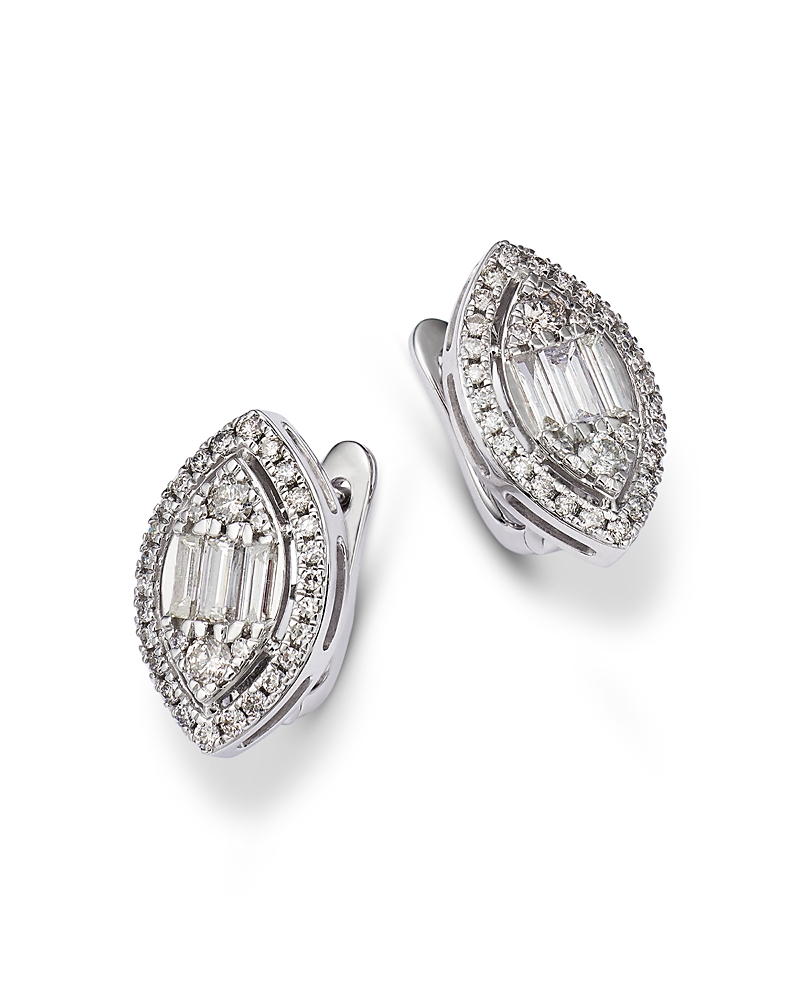
We may earn a commission if you buy through these links, at no extra cost to you.