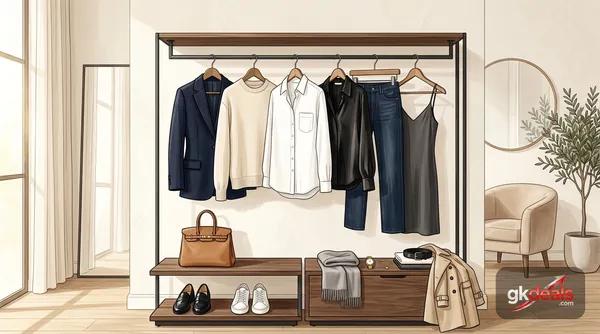

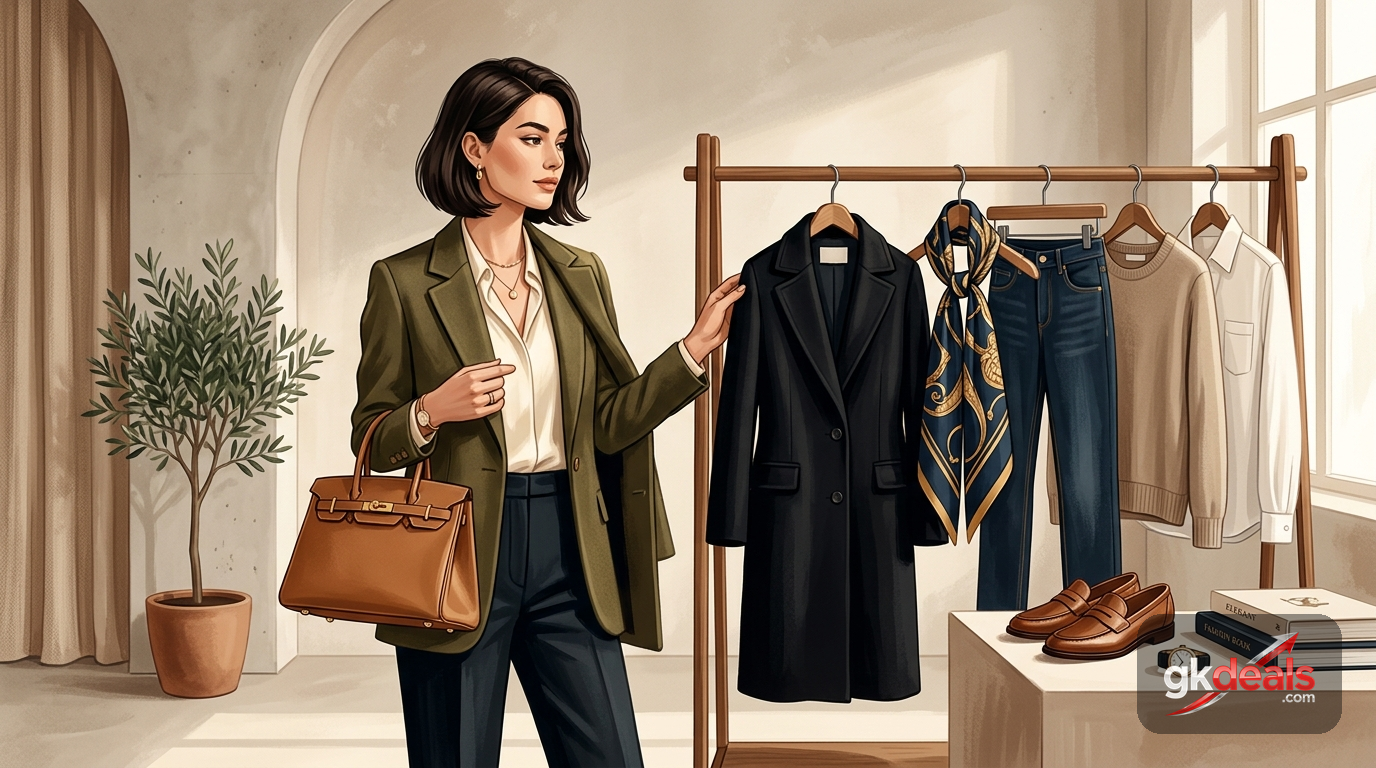
Buying an investment fashion piece can feel exciting, aspirational, and a little risky at the same time. Whether you are considering a luxury bag, a premium cashmere knit, a tailored coat, or beautifully made leather shoes, the big question is the same: will this piece actually earn its place in your wardrobe, or will it become an expensive impulse buy?
The truth is that an investment piece is only worth it when it delivers real value for your lifestyle. That value might come from frequent wear, timeless style, better craftsmanship, superior comfort, or the confidence that comes from owning something you truly love. A smart purchase is not about chasing trends or labels for their own sake. It is about choosing fashion that lasts, works hard, and makes getting dressed easier.
What counts as an investment fashion piece?
An investment fashion piece is typically a higher-quality item that costs more upfront but is expected to provide long-term value. In fashion, that usually means one or more of the following:
- Classic styling that will not feel dated next season
- Premium materials such as cashmere, wool, silk, leather, or sturdy natural fibers
- Thoughtful construction, fit, and finishing
- Versatility across multiple outfits and occasions
- Durability that allows years of wear with proper care
It does not have to be designer to qualify. A well-made sweater, coat, blazer, or pair of boots from a trusted retailer can be just as worthwhile as a recognizable luxury purchase if it offers better longevity and wearability than cheaper alternatives.
Why buying the right investment piece matters
The real benefit of investing in fashion is not simply owning something expensive. It is reducing waste, shopping more intentionally, and building a wardrobe that serves you better over time.
It can lower your cost per wear
One of the easiest ways to judge value is cost per wear. If you buy a cheap sweater that pills badly after a few uses, stretches out, or never feels quite right, it may end up costing more in the long run than a pricier sweater you wear weekly for years. A higher initial price can make sense when quality and use are both high.
It makes your wardrobe more functional
Strong wardrobe foundations save time and reduce decision fatigue. A dependable coat, polished knit, or versatile shoe can pull together dozens of looks without effort. The best investment pieces become repeat favorites, not special-occasion items you are afraid to use.
It supports more mindful shopping
Investing in fewer, better pieces can help you avoid constant replacement purchases. That is better for your budget and often better for the environment. Instead of buying five versions of the same item that never quite satisfy, one excellent option may do the job better.
When an investment fashion piece is worth it
A higher-priced item tends to be worth the splurge if most of the following are true:
- You will wear it often, ideally weekly or at least season after season
- It works with items you already own
- The fabric and construction are noticeably better than cheaper alternatives
- The style suits your real life, not an imagined version of it
- You can care for it properly so it lasts
- You still want it after waiting a few days or weeks
For example, a beautifully made neutral sweater can be an excellent investment if you regularly wear knits to work, on weekends, and while traveling. If it layers well, feels luxurious against the skin, and resists quick wear, it is likely to offer more value than several lower-quality sweaters that lose their shape.
When it may not be worth it
Not every expensive piece is a smart buy. It may not be worth investing when:
- The item is trend-driven and likely to feel dated quickly
- You are buying mainly for the brand name rather than the design or quality
- The color, cut, or fabric is hard to style with your wardrobe
- You know you will be too worried to wear it regularly
- The maintenance costs are high and unrealistic for you
- The fit is only acceptable, not excellent
If you have to talk yourself into a purchase because it seems like something you should own, that is usually a sign to pause. Investment dressing should feel practical and personal, not performative.
Practical tips before you buy
Start with your wardrobe gaps
The best investment pieces solve a problem. Maybe your sweaters pill after one season, your outerwear never looks polished enough, or your work wardrobe lacks elevated basics. Identify what is missing before shopping so you focus on value, not excitement alone.
Choose timeless over flashy
Simple silhouettes, classic colors, and clean lines usually deliver the best return. Think crewnecks, tailored coats, straight-leg trousers, leather loafers, and refined handbags. These styles tend to outlast statement pieces and adapt more easily to changing trends.
Think in outfits, not single items
Before buying, imagine at least three to five ways you would wear the piece with clothes you already own. If styling feels forced, the item may spend more time in the closet than you expect.
Use a cost-per-wear mindset
Divide the price by a realistic number of wears over one to three years. A piece you wear 50 to 100 times can justify a much higher price than one you wear twice. This is especially helpful for knitwear, coats, boots, and everyday bags.
Wait before purchasing
Give yourself at least 24 hours for a smaller splurge and longer for a major one. If you keep thinking about the piece and can clearly explain how it fits your wardrobe, that is a good sign. If the excitement fades, you may have avoided a costly mistake.
What to look for when buying
Fabric quality
Material is one of the biggest indicators of value. Natural fibers often look and feel better over time, though quality still varies. When shopping, pay attention to:
- Fiber content: cashmere, merino wool, cotton, linen, silk, and leather are common investment materials
- Feel: the fabric should feel substantial, soft, and comfortable, not flimsy or scratchy unless that is expected for the material
- Density: knits and wovens should have enough body to hold shape
- Pilling risk: some soft fibers pill more easily, so construction and care matter too
For knitwear in particular, softness should be balanced with resilience. A luxurious sweater is only a good investment if it can handle regular wear with appropriate care.
Construction and finishing
Look closely at the details. Better-made garments often reveal themselves in subtle ways:
- Even, neat seams
- Strong stitching with no loose threads
- Ribbing that recovers its shape
- Smooth linings and secure buttons or closures
- Balanced proportions and a clean drape on the body
These details affect how a piece wears over time. Good construction often means fewer repairs, better fit retention, and a more polished appearance after repeated use.
Fit and comfort
No matter how beautiful the material is, a poor fit will limit how often you wear the piece. Prioritize items that feel good from the start. You should be able to move comfortably, layer if needed, and feel like yourself in it. Tailoring can help with some garments, but if the piece is fundamentally off in the shoulders, length, or overall shape, it is rarely worth forcing.
Versatility
The strongest investment pieces work across settings. Ask yourself whether the item can move between casual and polished outfits, day and evening, or work and weekend. A versatile piece stretches your wardrobe further and increases cost-per-wear value.
Care requirements
Always check the care label before buying. Some delicate pieces require hand washing, special storage, de-pilling tools, or dry cleaning. None of that is necessarily a dealbreaker, but it should match your routine. A garment can only become a good investment if you can realistically maintain it.
How to make your investment piece last
Getting value from fashion does not stop at checkout. Care is part of the return on your investment.
- Store knits folded rather than hung to prevent stretching
- Use a fabric comb or de-piller as needed
- Rotate wears to reduce strain on fibers
- Follow washing instructions carefully
- Use shoe trees, dust bags, or garment bags when appropriate
- Address small repairs early before they become bigger problems
With the right habits, a well-chosen piece can remain beautiful and wearable far longer than fast-fashion alternatives.
The bottom line
An investment fashion piece is worth it when it combines quality, timeless design, comfort, and real everyday usefulness. The smartest buys are not always the flashiest. They are the pieces you reach for constantly, style easily, and appreciate more over time. If you focus on fabric, construction, fit, versatility, and care, you will be far more likely to choose something that feels indulgent and practical at once.
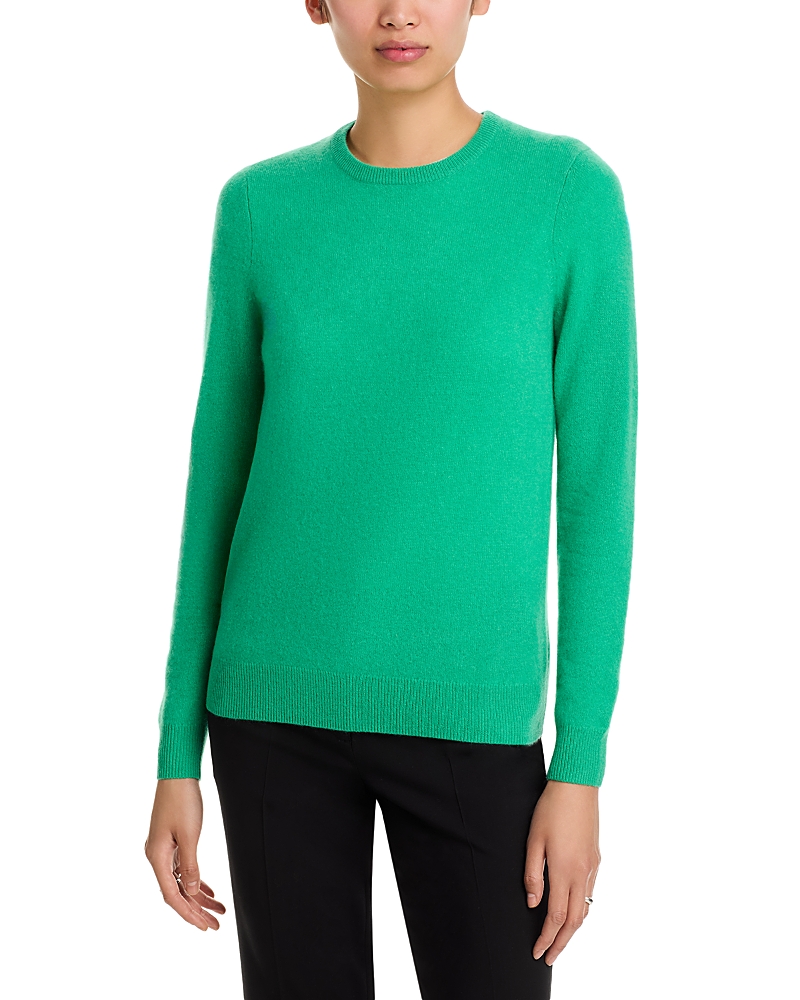
If you are ready to shop, start with elevated essentials that offer lasting wear and effortless styling potential. A refined, high-quality staple can be one of the easiest ways to test whether investment dressing works for you, and the options below are a strong place to begin.
Our Top Recommendations
Based on this guide, here are hand-picked products from our partners that we recommend:
We may earn a commission if you buy through these links, at no extra cost to you.