

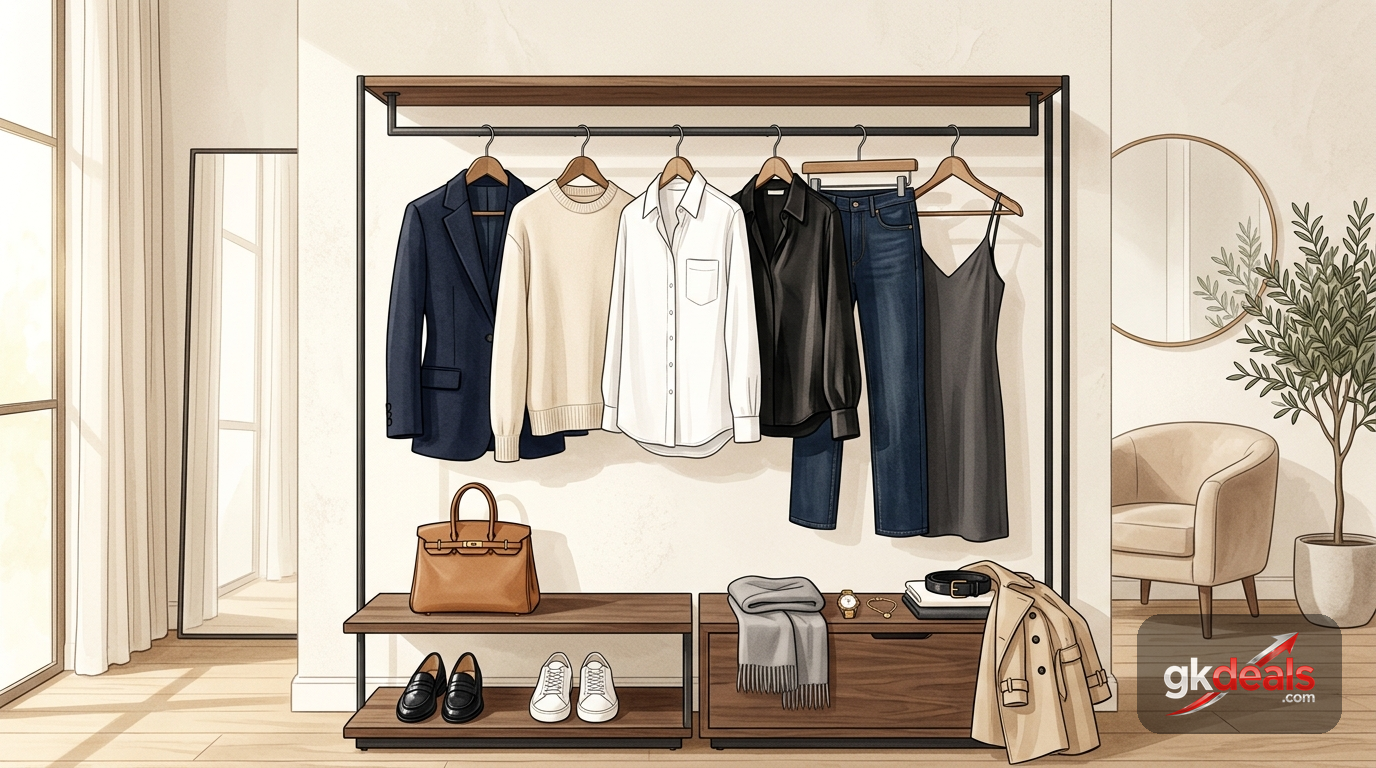
Building a capsule wardrobe with designer pieces is not about buying the most expensive version of everything. It is about choosing a small collection of well-made, versatile items that fit your life, reflect your style, and make getting dressed easier. When done well, a designer capsule wardrobe can save money over time, reduce impulse shopping, and give you a polished look with less effort every day.
The key is to focus on quality, function, and wearability. Designer fashion can deliver superior materials, better cuts, and lasting appeal, but only if you choose pieces that truly earn their place in your closet. A capsule wardrobe should feel streamlined, not restrictive, and luxurious, not wasteful.
What Is a Designer Capsule Wardrobe?
A capsule wardrobe is a tightly edited closet made up of pieces that mix and match easily. Instead of owning many trend-driven items that only work for one season or one occasion, you build around essentials you can wear repeatedly in different ways. Adding designer pieces to that formula means investing in elevated staples that offer better craftsmanship, a stronger fit, and a more refined finish.
That does not mean every item has to be luxury. In fact, the smartest approach is often a blend: designer for the pieces you wear most and more affordable options for trend accents or occasional items. Think of your wardrobe as a foundation first. A beautiful coat, a soft knit, tailored trousers, a versatile bag, and quality shoes can instantly make the rest of your closet work harder.
Why It Matters to Build Your Wardrobe This Way
A thoughtful capsule wardrobe matters because it brings clarity to your shopping and consistency to your style. Many people spend money on clothing but still feel like they have nothing to wear. That usually happens when a wardrobe is full of disconnected pieces. A capsule solves that problem by making sure most items coordinate in color, proportion, and purpose.
Designer pieces can make this strategy even more effective. Premium fabrics often hold their shape longer, feel better on the skin, and look more polished after repeated wear. Better tailoring can also improve how clothes drape and flatter the body. Over time, fewer high-quality purchases can be more satisfying than constantly replacing lower-quality basics.
There is also an emotional benefit. Wearing pieces that fit beautifully and align with your personal taste can boost confidence. Rather than chasing every new trend, you create a wardrobe that feels intentional and distinctly yours.
Start With Your Real Lifestyle
Before buying anything, look at how you actually dress each week. A strong capsule wardrobe should support your daily routine, not an imagined version of your life. If you work from home, you may need elevated knitwear and polished separates more than formal office suiting. If you attend events often, your capsule may need more evening-ready layers and statement accessories.
Ask yourself:
- What do I wear most often?
- Which outfits make me feel confident and comfortable?
- What categories am I always missing?
- Which items in my closet go unworn, and why?
This step helps you identify where designer investment makes the most sense. For one person, that might be knitwear worn three times a week. For another, it could be outerwear, handbags, or shoes.
Choose a Cohesive Color Palette
A capsule wardrobe works best when the pieces naturally pair together. Start with a base of neutrals such as black, navy, camel, cream, gray, or white. Then add one or two accent colors that suit your complexion and existing wardrobe. A controlled palette makes getting dressed fast and ensures every purchase has styling potential.
Designer pieces often shine most in classic shades because they remain relevant longer. A luxurious fabric in a timeless color tends to outlast trend-based shades that may feel dated next season. If you love color, bring it in through smaller categories or select one signature tone you know you will keep wearing.
Build Around Core Categories
Most successful capsule wardrobes include a few versions of the same essential categories. The exact mix depends on your lifestyle, but these are the usual building blocks:
- Soft, high-quality knitwear
- Tailored trousers or premium denim
- Crisp shirts or refined tops
- A structured blazer or jacket
- Outerwear that layers easily
- Versatile dresses or skirts if you wear them often
- Comfortable, polished shoes
- A handbag that works for everyday use
If you are introducing designer pieces, prioritize the categories that get the most use. For many wardrobes, knitwear is one of the strongest places to invest because it can be layered, dressed up or down, and worn across multiple seasons.
How to Decide Which Pieces Deserve Designer Investment
Not every item needs a luxury label. The best candidates for investment are pieces you will wear frequently, pieces that must perform well over time, and pieces where quality is immediately visible. Focus on:
- Coats and jackets, because structure and fabric matter
- Knitwear, because premium fibers feel and drape better
- Bags and shoes, because construction affects comfort and longevity
- Tailored basics, because fit and finishing elevate simple outfits
A useful rule is cost per wear. If a piece is versatile enough to be worn dozens of times each year, a higher upfront price can be easier to justify. A beautifully made sweater in a flattering cut may become one of the hardest-working items in your closet.
What to Look for When Buying Designer Staples
Fabric Quality
Start with the fabric composition. Natural fibers such as cashmere, wool, silk, cotton, and linen often offer better breathability, comfort, and longevity than many synthetic-heavy blends. For knitwear, softness matters, but so does resilience. Check whether the fabric feels substantial without being stiff, and look for smooth, even texture.
Fit and Silhouette
The most beautiful garment is not a good investment if the fit is off. Pay attention to shoulder placement, sleeve length, body length, and overall shape. A slightly relaxed but clean silhouette tends to be the most versatile in a capsule wardrobe because it layers well and resists dating quickly.
Versatility
Ask how many outfits you can build with the piece using what you already own. Can it work with denim, trousers, skirts, and under jackets? Can it move between casual and polished settings? The more styling options it creates, the more valuable it becomes.
Construction Details
Inspect seams, stitching, hems, closures, and finishing. Designer quality should be visible in the details. Even on simple items, neat construction often translates into better durability and a more elevated look.
Care Requirements
Luxury pieces need realistic upkeep. Before buying, make sure the care routine fits your lifestyle. If an item is delicate, think about whether you are willing to store it properly, wash it carefully, or use professional cleaning when needed. Good care protects your investment and extends the life of your capsule.
Practical Tips for Building Your Capsule Without Overspending
You do not need to buy everything at once. In fact, building slowly usually leads to better choices. Start by editing your current closet and identifying true gaps. Then create a short wishlist of investment pieces that would make the biggest difference.
- Buy one strong foundational piece at a time
- Prioritize seasonless items over short-lived trends
- Wait for pieces that match your exact criteria instead of settling
- Compare fit, fabric, and versatility before purchasing
- Consider how each item works with at least three existing outfits
This slower approach helps prevent expensive mistakes. It also gives you time to notice what you really reach for, which is one of the best guides for future purchases.
Common Mistakes to Avoid
One of the biggest mistakes is buying designer pieces for status rather than function. A logo alone does not make something a smart wardrobe addition. Another mistake is choosing pieces that are too trend-specific, too difficult to style, or too delicate for regular wear.
It is also easy to overbuild. A capsule wardrobe should feel edited and useful, not sparse but not overflowing either. If you are unsure about a purchase, ask whether it fills a clear role in your wardrobe. If not, it may be better to wait for something more versatile.
Make Your Designer Capsule Feel Personal
A capsule wardrobe should never erase your individuality. Once your foundations are strong, you can express personality through texture, jewelry, color accents, or one distinctive silhouette you love. The goal is not to dress identically every day. The goal is to create a flexible wardrobe where most pieces work together and a few special details make it feel like you.
As you refine your closet, focus on elevated essentials that combine softness, durability, and styling flexibility. The best designer staples are the ones you reach for constantly, because they make every outfit easier and more polished. With that in mind, the next step is choosing investment-worthy pieces that can anchor your capsule and deliver real value every time you wear them.
Our Top Recommendations
Based on this guide, here are hand-picked products from our partners that we recommend:
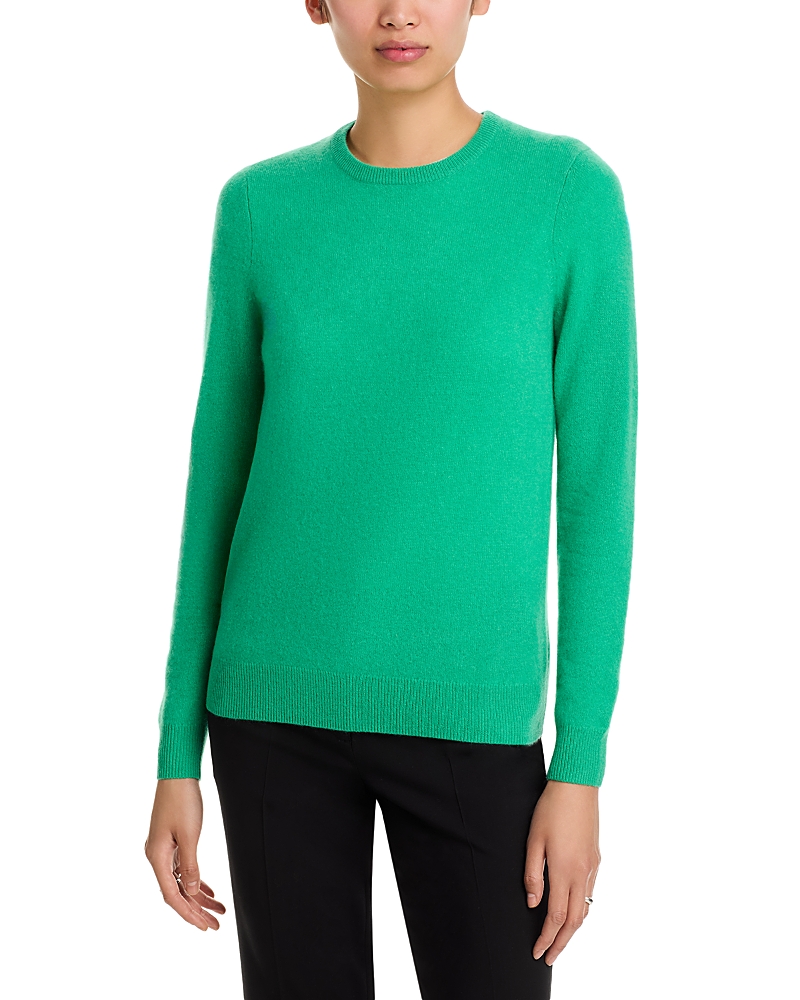
We may earn a commission if you buy through these links, at no extra cost to you.