


Layering bracelets and necklaces is one of the easiest ways to make everyday jewelry look more polished, personal, and current. The challenge is that layering can quickly shift from elegant to cluttered if the lengths, textures, and proportions do not work together. A tasteful stack is not about wearing the most pieces possible. It is about creating contrast, balance, and a sense of intention.
Whether you prefer delicate chains, meaningful pendants, or a bolder link style, learning a few simple styling rules can help you build combinations that feel effortless. Once you understand how to mix lengths, shapes, and metals, you can create layered looks that work for casual outfits, office wear, and dressier occasions without feeling overdone.
Why tasteful layering matters
Jewelry layering does more than fill space around the neckline or wrist. It changes the entire feel of an outfit. A simple white tee and jeans can look styled and complete with the right necklace stack. A basic dress can feel more refined when a bracelet stack adds movement and shine. Good layering also helps you get more use out of the pieces you already own by combining them in fresh ways.
Tasteful layering matters because jewelry sits close to the face and hands, so it is noticed quickly. If the combination is too heavy, too tangled, or too visually busy, it can distract from your overall look. If it is balanced, it adds depth and personality without competing with your clothing. The goal is to make each piece support the others rather than fight for attention.
Layering is also a practical way to express your style. Some people like a minimalist look with two fine chains and one slim bracelet. Others prefer a more noticeable mix of links, charms, and textures. Either approach can look sophisticated when there is a clear sense of proportion.
How to layer necklaces tastefully
Start with varying lengths
The easiest way to create a necklace stack that looks intentional is to choose different lengths. When necklaces sit too close together, they visually blend into one line and are more likely to tangle. Spacing helps each piece stand out.
- Begin with a short base necklace close to the collarbone.
- Add a mid-length chain for separation.
- Finish with a slightly longer pendant or statement piece.
A difference of at least 2 inches between necklaces usually creates a cleaner layered effect. If you want a simpler look, stick to two necklaces rather than three or four.
Mix chain styles, not just lengths
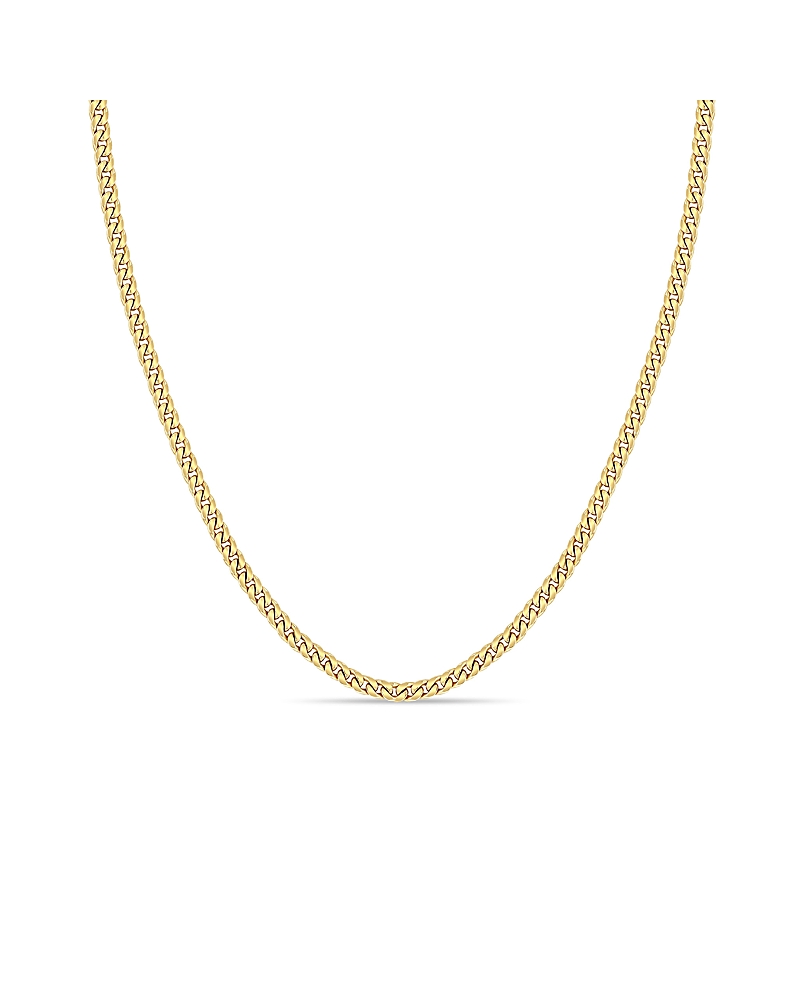
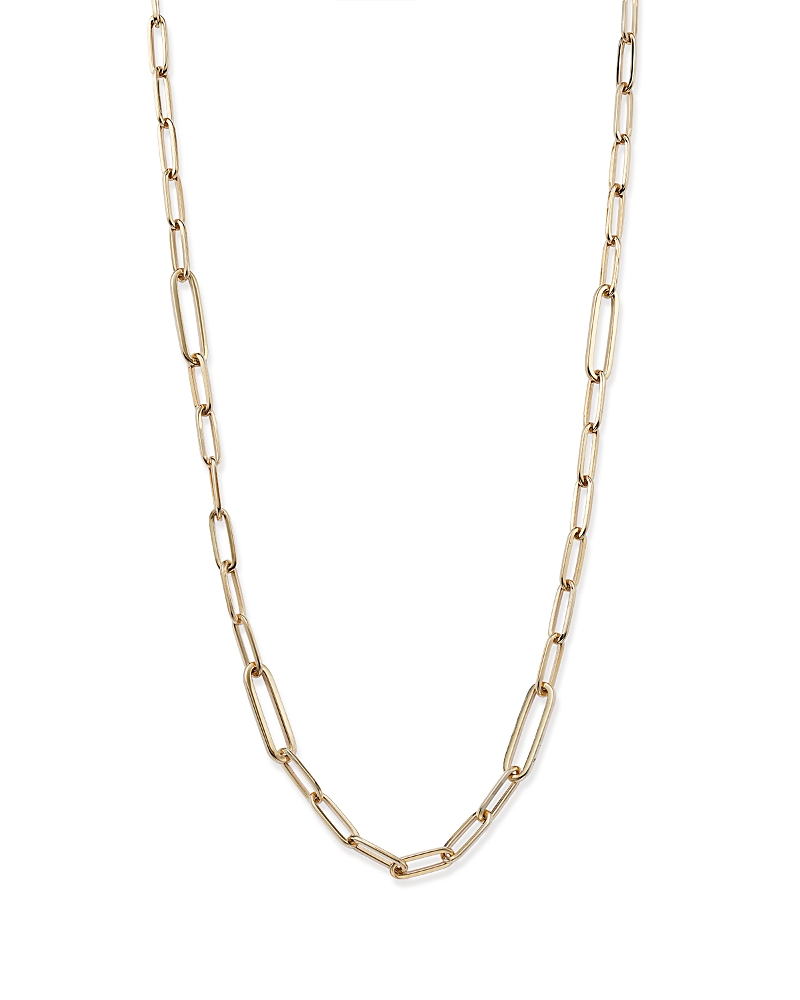
Layering works best when there is some contrast in texture. If every necklace is the same fine cable chain, the look can fall flat. Try pairing a delicate chain with a slightly bolder link, a pendant necklace, or a chain with a different silhouette such as curb, paperclip, or box links.
This contrast gives the eye something to follow and makes the stack feel styled instead of accidental. If one necklace is substantial, keep the others more delicate so the look stays balanced.
Choose one focal point
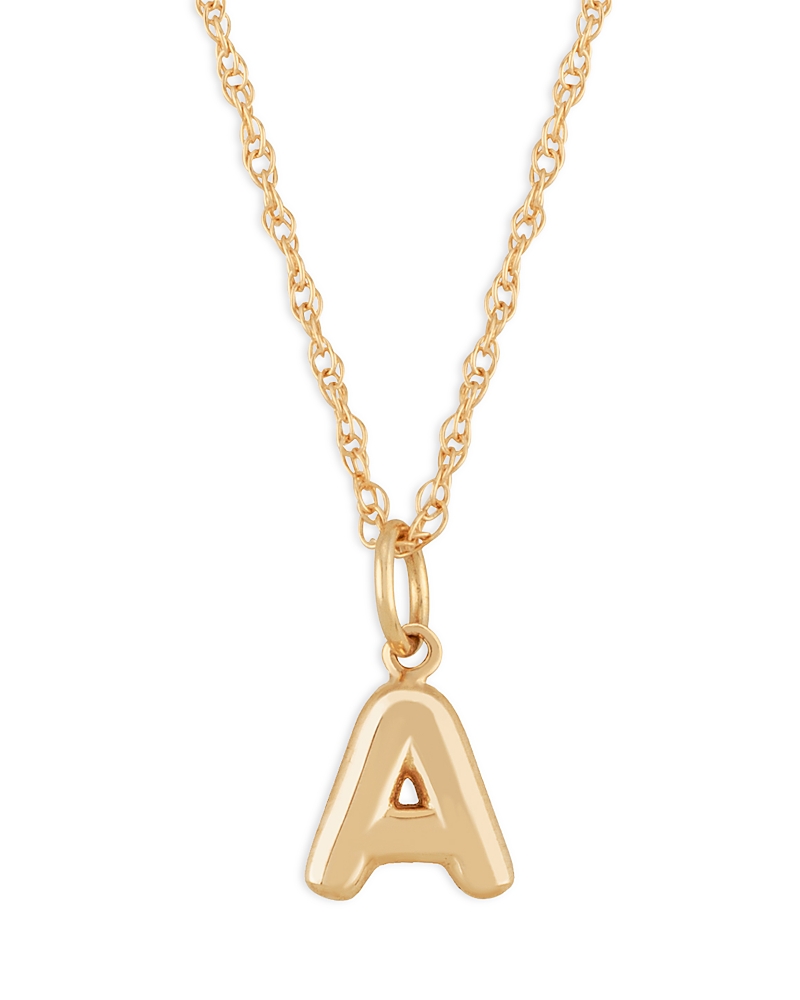
A tasteful necklace stack usually has one star. That might be a pendant, an initial, a symbolic charm, or a chain with more visual weight. The supporting pieces should frame that focal point rather than compete with it.
If you are wearing a meaningful pendant, let the other necklaces be simpler. If your main piece is a bold link chain, consider skipping additional large charms. This keeps the stack elegant and easy to wear.
Match the stack to your neckline
Your clothing neckline affects how layered necklaces look. Scoop necks, V-necks, open collars, and strapless tops usually leave enough space for multiple necklaces to shine. High necklines can work too, but often look best with longer layers or a single standout chain.
If the outfit already has ruffles, embellishment, or a busy print, scale back the jewelry. Cleaner clothing lines allow layered necklaces to stand out without making the whole look feel crowded.
Do not over-layer
More is not always better. For everyday wear, two to three necklaces are often enough. Going beyond that can work for a fashion-forward look, but it takes more attention to spacing, weight, and tangling. When in doubt, remove one piece. The result is often more polished.
How to stack bracelets tastefully
Build around a base piece
As with necklaces, bracelet layering is easier when you start with one anchor piece. That could be a chain bracelet, a bangle, a cuff, or even a watch. Then add one or two complementary bracelets around it.
Having a base creates structure and prevents the wrist from looking random or overloaded.
Vary thickness and texture
The most stylish bracelet stacks usually mix slim and medium-width pieces. Combining all chunky bracelets can look heavy, while combining only ultra-thin pieces may disappear visually. Pair smooth finishes with textured links or subtle details for dimension.
- Mix one bolder bracelet with one or two finer styles.
- Combine rigid shapes like bangles with softer chain bracelets.
- Repeat a design element, such as gold tone or a similar link shape, to keep the stack cohesive.
Pay attention to movement and comfort
Bracelets should feel good on the wrist. If a stack pinches, snags, or constantly twists around, you will not wear it often. A tasteful stack is one you can move in naturally. Pieces should have enough room to shift slightly, but not so much that they slide halfway down the hand.
If you type often or use your hands heavily during the day, a lighter, lower-profile stack is usually more practical than a noisy pile of rigid bangles.
Keep scale in proportion to your wrist
Petite wrists can be overwhelmed by too many large pieces, while broader wrists can often carry a slightly bolder stack. This does not mean you have to follow strict rules, but proportion helps. If your wrist stack looks heavy compared with your frame, edit it down until it feels balanced.
Can you mix bracelets and necklaces together in one look?
Yes, and the key is consistency. If you are layering both your neck and wrists at once, keep at least one element unified. That might be the metal color, the level of delicacy, the shape of the links, or a shared motif like initials or symbolic charms.
For example, if your necklaces are delicate and refined, bracelets with a similar feel will look more harmonious than a very chunky, industrial stack. If you want contrast, make it intentional rather than extreme.
It also helps to choose where you want the emphasis. If your necklace stack is the statement, keep your bracelets simpler. If your wrist stack is more built up, let the necklaces stay minimal.
What to look for when buying layering jewelry
Versatile lengths
For necklaces, length is one of the most important buying considerations. Pieces that sit at different points on the neckline are easier to layer repeatedly. A collection becomes far more useful when you have a short everyday chain, a medium-length style, and a longer pendant option.
Quality materials
Because layering jewelry gets frequent wear, material quality matters. Look for metals that suit your budget and skin sensitivity, and prioritize pieces that are known for durability. Well-made clasps, smooth links, and secure pendant bails make a difference over time.
If you plan to wear jewelry daily, investing in quality can be worthwhile because these are the pieces most likely to become staples.
Distinct but compatible designs
The best layering pieces are not identical, but they do work together. When shopping, think in terms of a small wardrobe of jewelry. You want some variation in chain style, weight, and detail, while still keeping an overall aesthetic that feels like you.
A useful mix often includes:
- A simple chain for everyday wear
- A slightly bolder link necklace or bracelet for texture
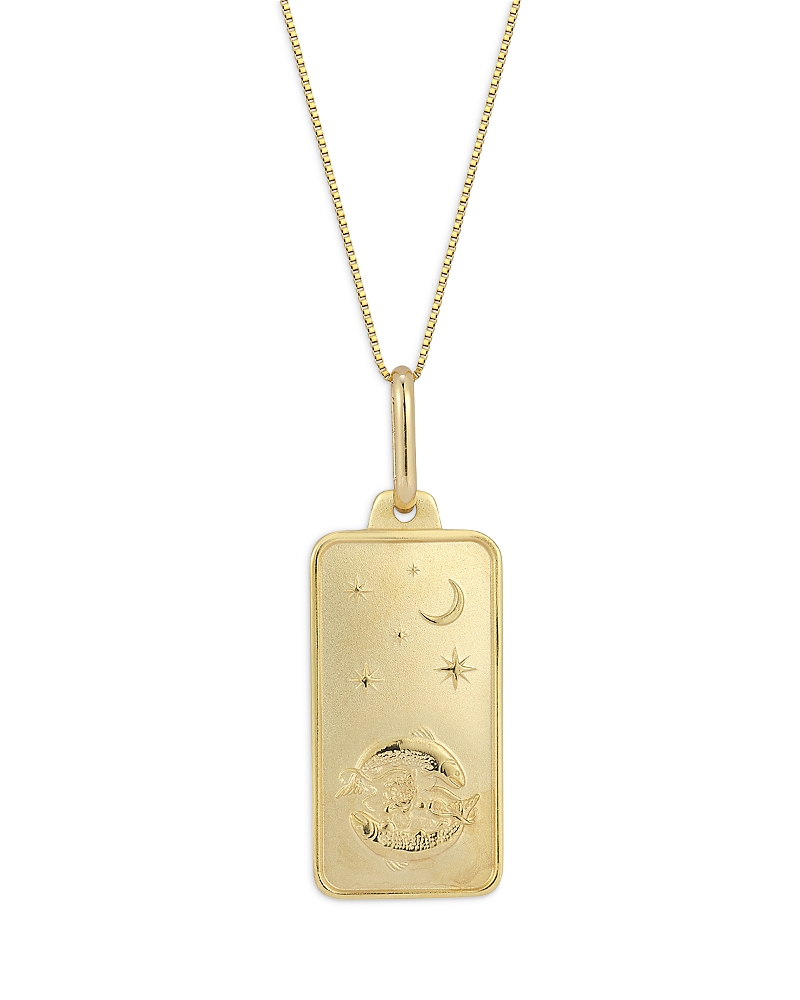
- A pendant or personalized piece for meaning and focus
- A slim bracelet that pairs easily with other wristwear
Secure closures and easy wearability
Jewelry can be beautiful and still end up unworn if it is difficult to clasp or constantly tangles. Check how practical the piece is for real life. Easy closures, comfortable weight, and smooth finishing all make a piece more likely to become part of your regular rotation.
Personal relevance
The most successful layered looks usually include at least one piece that feels personal. That might be an initial, zodiac symbol, heirloom-inspired pendant, or a chain style you know you will reach for every day. Jewelry looks more authentic when it reflects the wearer instead of following a formula too closely.
Simple formulas that always work
If you want layering to feel easy, use a few repeatable combinations:
- Two necklaces: one short chain and one longer pendant
- Three necklaces: one delicate base, one textured mid-length chain, one focal pendant
- Two bracelets: one slim chain bracelet and one bangle or watch
- Three bracelets: one anchor piece, one delicate accent, one textured link bracelet
These combinations create enough interest without overwhelming your outfit. Once you have a few reliable pieces, getting dressed becomes much easier.
The best layering jewelry is versatile, comfortable, and distinctive enough to add personality while still pairing effortlessly with what you already own. As you explore styles, focus on pieces that can act as anchors, add texture, or bring a personal touch to your stack. The selections below are a strong place to start if you want layering pieces that feel polished, wearable, and easy to mix into your everyday jewelry wardrobe.
Our Top Recommendations
Based on this guide, here are hand-picked products from our partners that we recommend:
We may earn a commission if you buy through these links, at no extra cost to you.