

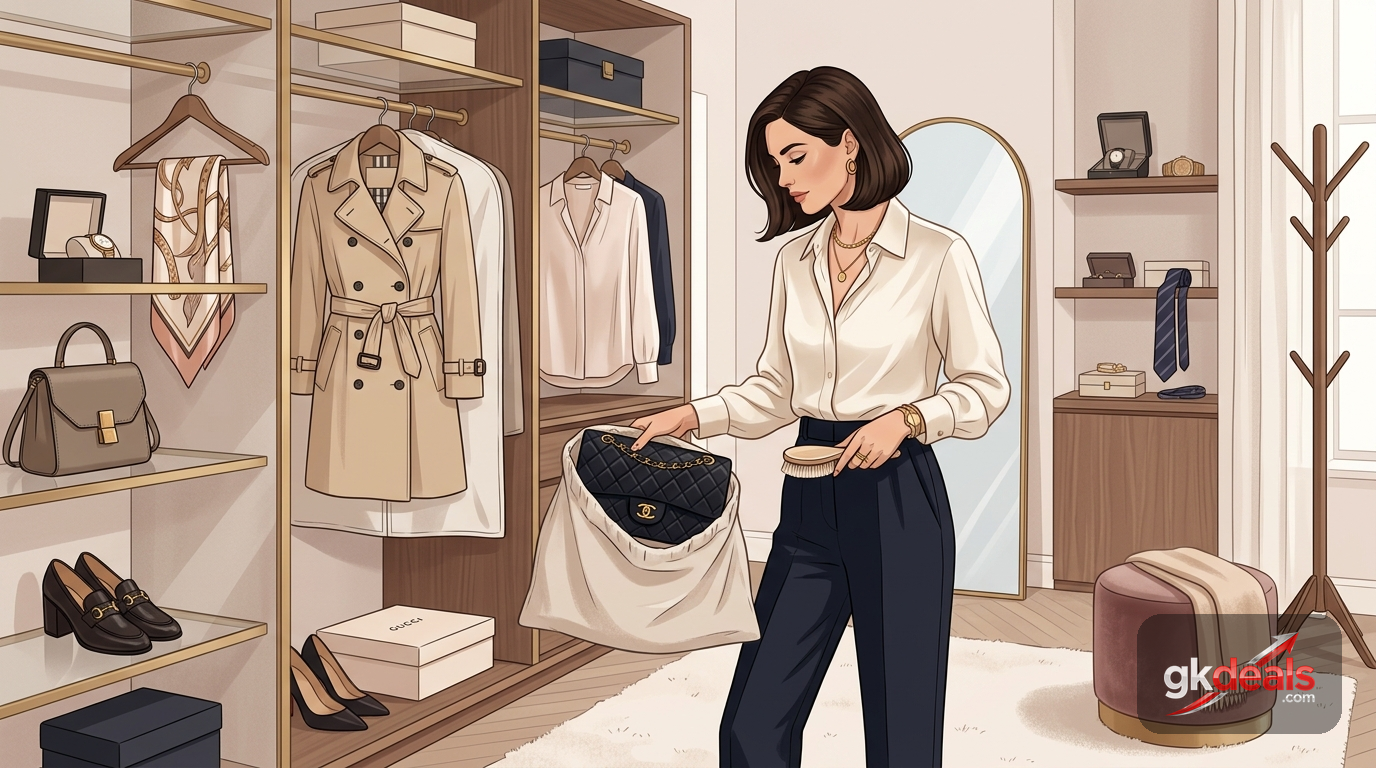
A designer fashion piece can instantly elevate your wardrobe, but it also comes with a responsibility: proper care. Whether you own a soft cashmere knit, a delicate feather-trimmed dress, or a heavily embellished evening style, the wrong storage, cleaning, or day-to-day handling can shorten its life fast. Knowing how to protect luxury clothing helps preserve its shape, texture, finish, and overall value.
The good news is that caring for designer fashion is not complicated once you understand what each fabric needs. A few smart habits can keep special pieces looking polished, wearable, and investment-worthy for much longer.
Why Caring for Designer Fashion Matters
Designer garments often use premium fibers, intricate construction, and specialty details that need more attention than everyday basics. Natural fibers like cashmere can pill or stretch when handled roughly. Sequins, beading, and embellishments can loosen with friction or improper washing. Feathers can become crushed or misshapen if stored badly. In short, luxury pieces are made to look exceptional, but they are not always made to be treated casually.
Proper care matters for several reasons:
- It protects your investment. Better maintenance means fewer repairs and a longer wearable life.
- It preserves appearance. Shape, softness, color, and embellishments stay intact when garments are cared for correctly.
- It supports resale or hand-me-down value. If you ever want to consign, resell, or archive a piece, condition is everything.
- It makes getting dressed easier. Clothes that are clean, fresh, and properly stored are ready to wear when you need them.
Even if you do not think of fashion in investment terms, quality pieces simply feel better when they are maintained well. A sweater that stays plush or a dress that still sparkles beautifully after multiple wears is worth the extra effort.
Start With the Care Label Every Time
The most important rule is also the simplest: read the care label before you do anything. Different designer items can look similar but require very different care. One knit may be hand-washable, while another must be dry-cleaned only. One embellished dress may tolerate spot cleaning, while another should never be exposed to moisture at all.
Do not assume based on fabric alone. The garment's lining, trim, interfacing, dye, and decorative details can change the care requirements completely. If the label says dry clean only, especially on delicate or structured pieces, it is usually safest to follow it.
How to Protect Designer Pieces During Wear
Be mindful of friction and contact
Many signs of wear happen while you are actually wearing the garment. Crossbody bags can rub against cashmere, sequins, and delicate surfaces. Rough outerwear can catch embellishments. Jewelry can snag knits and fine fabrics. Perfume, body lotion, and deodorant can stain or break down fibers over time.
- Apply fragrance and beauty products before getting dressed, and let them dry fully.
- Avoid carrying abrasive bags against delicate fabrics.
- Remove sharp jewelry that could catch or pull threads.
- Take extra care when sitting, dancing, or moving through crowded spaces in embellished pieces.
Rotate your statement pieces
Wearing the same luxury item too frequently without rest can lead to stretching, odor buildup, and surface wear. Knitwear, in particular, benefits from resting between wears so fibers can recover. Rotating pieces helps reduce stress on the fabric and extends the life of your wardrobe overall.
Cleaning Tips by Fabric and Finish
Cashmere and other fine knits
Cashmere should be cleaned gently and not over-washed. Unless visibly soiled, many knits can be aired out between wears. If hand washing is allowed, use cool water and a detergent made for delicates or wool. Never wring the garment. Instead, press out water with a towel and lay it flat to dry, reshaping it as needed.
If the sweater develops pilling, use a cashmere comb or fabric shaver lightly. Pilling is normal in areas of friction and does not necessarily mean poor quality. Aggressive pulling by hand, however, can damage the knit.
Sequins, embellishments, and specialty eveningwear
Sequin dresses and embellished garments need a gentler approach. These pieces usually should not be machine washed. Spot clean minor marks carefully with a soft cloth and minimal moisture if the care label allows it. For full cleaning, use a trusted cleaner experienced with formalwear and decorative finishes.
Turn embellished garments inside out when appropriate for transport, and avoid folding them tightly along heavily decorated areas. Friction can dull shine and loosen stitching over time.
Feathers and delicate trims
Feather details are especially vulnerable to crushing, moisture, and pressure. Store feather-trimmed pieces where the trim can breathe and keep its shape. If feathers become flattened, gentle steaming from a distance may help revive them, but always test caution and follow the care label or professional guidance first.
Smart Storage Makes a Big Difference
Storage is where many beautiful garments quietly get damaged. Heat, sunlight, humidity, overcrowding, and the wrong hanger can all affect how a piece looks months later.
Use the right hanger
- Knitwear: Fold rather than hang to prevent shoulder bumps and stretching.
- Structured dresses: Use padded or shaped hangers that support the garment properly.
- Strappy or embellished items: Choose hangers with grip or loops to prevent slipping.
Give garments breathing room
Do not cram delicate fashion into a packed closet. Sequins can catch on neighboring items, feathers can get crushed, and fine fibers can crease unnecessarily. Leave space around special garments, especially occasionwear.
Protect from dust and light
Garment bags can be useful, but breathable fabric bags are better than sealed plastic for long-term storage. Plastic can trap moisture and contribute to yellowing or stale odors. Keep designer pieces away from direct sunlight, which can fade color and weaken fibers.
Store seasonally with care
Before putting away a piece for a season, make sure it is clean. Stains that seem invisible can oxidize over time, and body oils can attract insects. For knitwear, fold neatly with acid-free tissue if desired and consider cedar or moth deterrents that do not sit directly on the fabric.
How to Handle Spills, Snags, and Minor Damage
Fast action can save a designer garment, but panic often makes the problem worse. Blot spills rather than rubbing them. Rubbing pushes stains deeper and can disturb embellishments or raise the surface of fine fibers.
- For spills: Use a clean, dry cloth to blot immediately.
- For snags: Do not cut or pull the thread. Gently ease it through to the inside if possible.
- For loose sequins or beads: Set the piece aside for repair instead of wearing it again immediately.
- For stretched knits: Wash or steam according to care instructions, then reshape while drying.
When in doubt, take the piece to a reputable tailor, knitwear repair specialist, or luxury dry cleaner. Early repair is usually simpler and less expensive than waiting until damage spreads.
What to Look for When Buying Pieces That Are Easier to Care For
If you are shopping for designer fashion, beauty matters, but practicality matters too. A piece that fits your lifestyle is more likely to be worn, loved, and maintained properly. Before buying, consider not just how the garment looks, but how you will care for it.
Fabric quality and composition
Look for premium natural fibers, smooth linings, and well-finished seams. High-quality fabrics often wear better, but they may still require specialized care. If you want lower-maintenance luxury, check whether the fabric blend adds durability without sacrificing feel.
Construction and finishing
Inspect stitching, embellishment security, and how trims are attached. Sequins should feel firmly fastened, feather accents should appear evenly placed, and knitwear should hold its shape well at the shoulders, cuffs, and hem.
Care requirements that match your routine
Be honest about how much maintenance you are willing to do. If you love the look of delicate eveningwear but need something practical for frequent use, choose designs that are easier to store and clean. If you want a luxury knit for regular wear, prioritize softness, resilience, and straightforward care instructions.
Versatility and cost per wear
The best designer purchase is often the one you will wear repeatedly with confidence. A beautifully made piece that works across multiple occasions can justify extra care because it delivers real wardrobe value. Special occasion items can be worth it too, especially when they are timeless enough to rewear and durable enough to maintain.
Build a Simple Care Routine
You do not need an elaborate system to keep designer fashion in excellent condition. A simple routine goes a long way: inspect after wearing, air out before storing, treat small issues quickly, and clean only when necessary and appropriate. Keep a few basics on hand, such as padded hangers, a breathable garment bag, a delicate detergent, a cashmere comb, and a soft cloth for blotting spills.
These small habits help preserve the look and feel that made you fall in love with the piece in the first place. And when you choose well-made garments with quality materials and thoughtful details, caring for them becomes much more rewarding. If you are ready to add something special to your wardrobe, the right designer fashion piece can deliver both standout style and lasting value with the proper care.
Our Top Recommendations
Based on this guide, here are hand-picked products from our partners that we recommend:
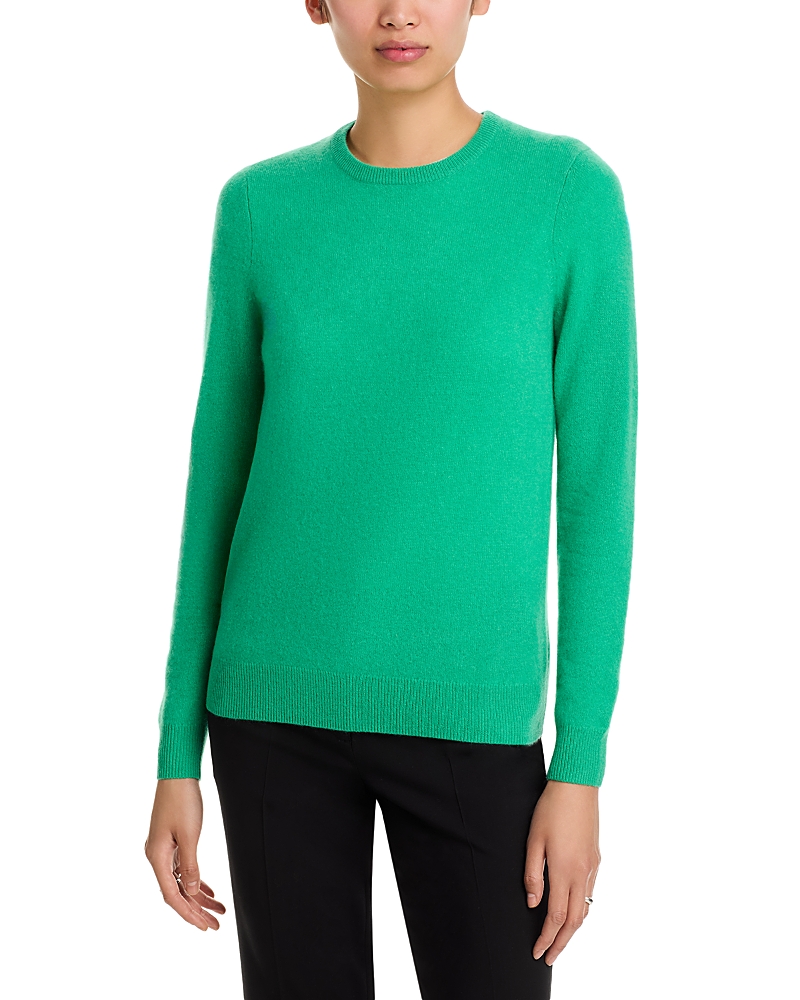

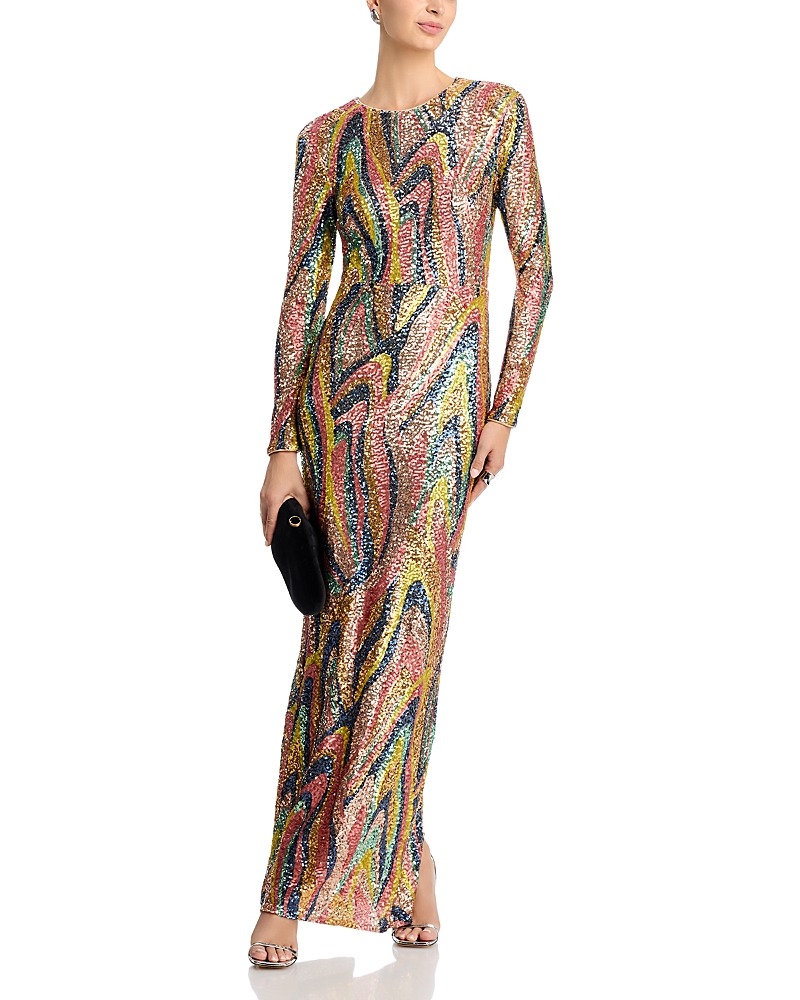
We may earn a commission if you buy through these links, at no extra cost to you.