

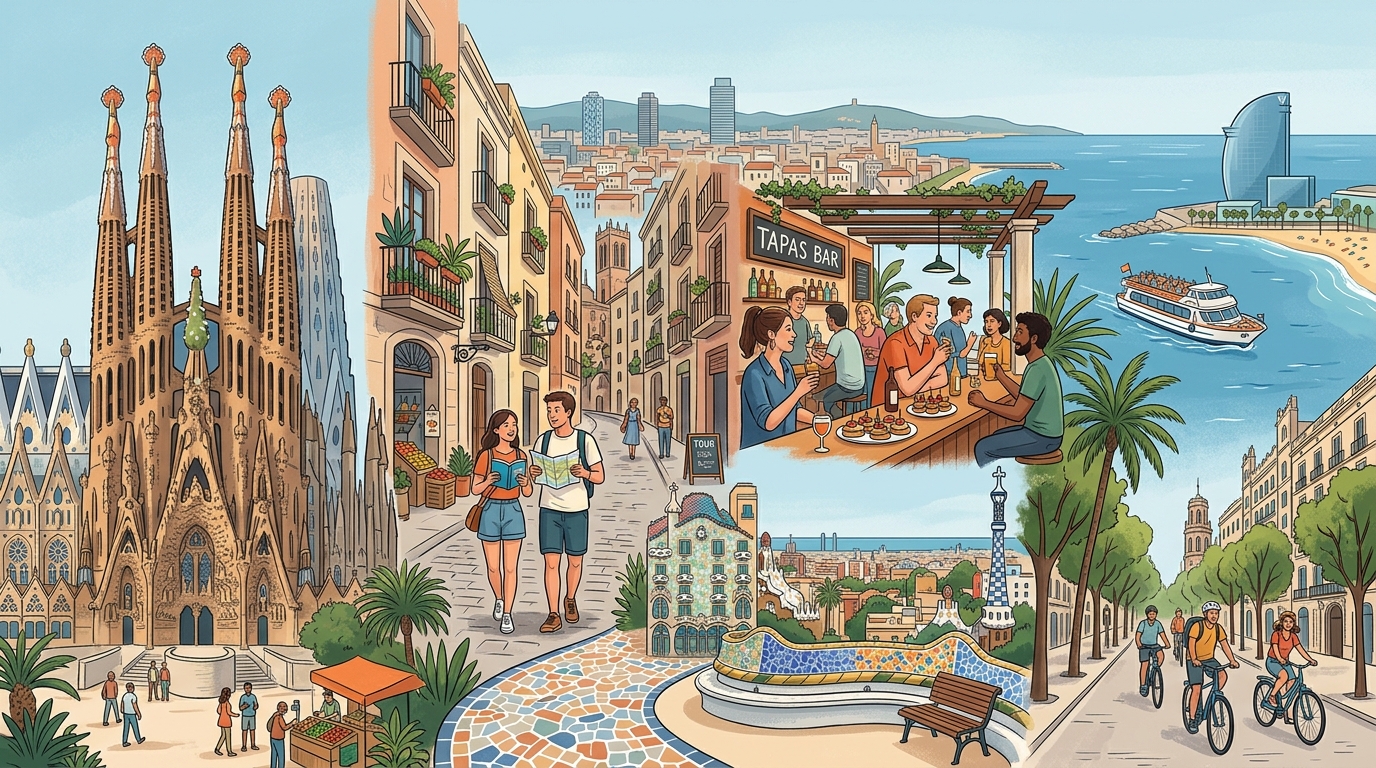
Barcelona is one of those cities that seems easy to visit until you actually start planning. Should you stay in the Gothic Quarter for atmosphere, Eixample for convenience, or Barceloneta for the beach? Do you need skip-the-line tickets, or can you just turn up? And how do you get from the airport into the city without wasting time or overpaying?
If it is your first time in Barcelona, a little planning makes a big difference. The city is compact enough to enjoy over a few days, but popular sights sell out, some areas are noisier than they look online, and transport choices can affect your whole trip. This guide will help you choose the right neighbourhood, decide which tours are actually worth booking, and avoid the most common first-time mistakes.
Why choosing the right area matters
Barcelona has very different neighbourhoods packed into a relatively small area. Picking the right base affects how much you spend, how well you sleep, how easy sightseeing feels, and whether the city matches the trip you imagined.
For most first-time visitors, the best approach is to stay somewhere central with good metro access rather than focusing only on the lowest room rate. A cheaper hotel outside the main areas can end up costing more in transport, time and convenience. On the other hand, the most atmospheric historic districts can also be the noisiest, especially late at night.
Think about your priorities before booking:
Do you want to walk to major sights?
Are you a light sleeper who should avoid nightlife-heavy streets?
Do you want beach access, shopping, food or family-friendly surroundings?
Is your budget better suited to a simple, well-connected base than a premium old-town address?
Best areas to stay in Barcelona for first-time visitors
Eixample: best all-round area
If you want the easiest first trip, Eixample is often the safest choice. It is elegant, spacious, walkable and well connected, with broad avenues, plenty of restaurants and easier taxi access than the older lanes of the historic centre. You are also well placed for sights such as Casa Batllo, La Pedrera and Sagrada Familia.
This area works especially well for couples, first-timers who want comfort, and travellers who prefer a calmer base at night. It tends to offer a strong mix of mid-range and upscale hotels.
Gothic Quarter: best for atmosphere
The Gothic Quarter is ideal if you want medieval lanes, historic squares and that classic old-Barcelona feel. You can walk to La Rambla, the cathedral, the waterfront and many tapas bars. It is one of the most atmospheric places to stay, but also one of the busiest.
Choose this area if charm matters more than space and you do not mind some noise. Check reviews carefully for comments about soundproofing, late-night street activity and stairs, as some historic buildings have limited lift access.
El Born: best for food, nightlife and style
El Born has a similar central location to the Gothic Quarter but often feels trendier, with boutique hotels, cocktail bars, cafés and easy access to Parc de la Ciutadella and the Picasso Museum. It suits travellers who want lively evenings and a stylish city break.
Like the Gothic Quarter, it can be noisy, so it is worth paying attention to room location and hotel reviews before you book.
Gracia: best for a local feel
Gracia is a great option if you want a more residential, village-like atmosphere while still being connected by metro. You will find pretty squares, independent shops and a slower pace than the centre. It is a strong choice for repeat visitors, longer stays and travellers who enjoy local neighbourhood energy over tourist-heavy streets.
For a first trip focused on major attractions, Gracia may be slightly less convenient than Eixample, but many travellers find the trade-off worth it.
Barceloneta: best for beach access
If your Barcelona trip is as much about the beach as sightseeing, Barceloneta puts you closest to the sea. It is fun, casual and lively, with seafood restaurants and a waterfront atmosphere. The trade-off is that accommodation can be more limited, some streets are busy, and you will usually sacrifice a bit of sightseeing convenience.
This area is best for short summer stays or travellers who specifically want sun-and-city in one trip.
Poble-sec: best for value and food
Poble-sec often gives you better value than the most central districts while still being close to Montjuic, the port and metro connections. It is known for good local food and a less polished but appealing feel. Budget-conscious travellers who still want a fairly central base should take a look here.
How to choose the right hotel or area for your budget
Budget travellers should focus on metro access, guest ratings and total trip cost rather than simply booking the cheapest room. A clean, well-reviewed property in Poble-sec, outer Eixample or Gracia can be a smarter choice than an ultra-cheap room in a loud central street.
Mid-range travellers usually get the best balance in Eixample, where room quality, transport and comfort are consistently strong. If atmosphere is more important, look at El Born or the Gothic Quarter but filter carefully for quiet rooms.
Luxury travellers should consider higher-end parts of Eixample, upscale boutique stays in El Born, or properties with rooftop pools and city views near Passeig de Gracia.
Whatever your budget, look for:
Walking distance to a metro station
Recent reviews mentioning cleanliness and safety
Air conditioning in warmer months
Soundproofing or quiet room options
Flexible cancellation if your plans might change
Breakfast only if it adds real value to your itinerary
Top things to do in Barcelona and which tours are worth booking
Barcelona rewards a mix of independent wandering and a few well-chosen pre-booked experiences. The city’s biggest attractions often have timed entry, and booking ahead can save hours.
Worth booking in advance
Sagrada Familia: the city’s must-see landmark. Timed entry is strongly recommended, especially in spring, summer and holidays.
Park Guell: another popular Gaudi site with controlled entry. Book ahead for the monumental zone.
Casa Batllo or La Pedrera: worthwhile if you enjoy architecture and want deeper insight into Gaudi’s work.
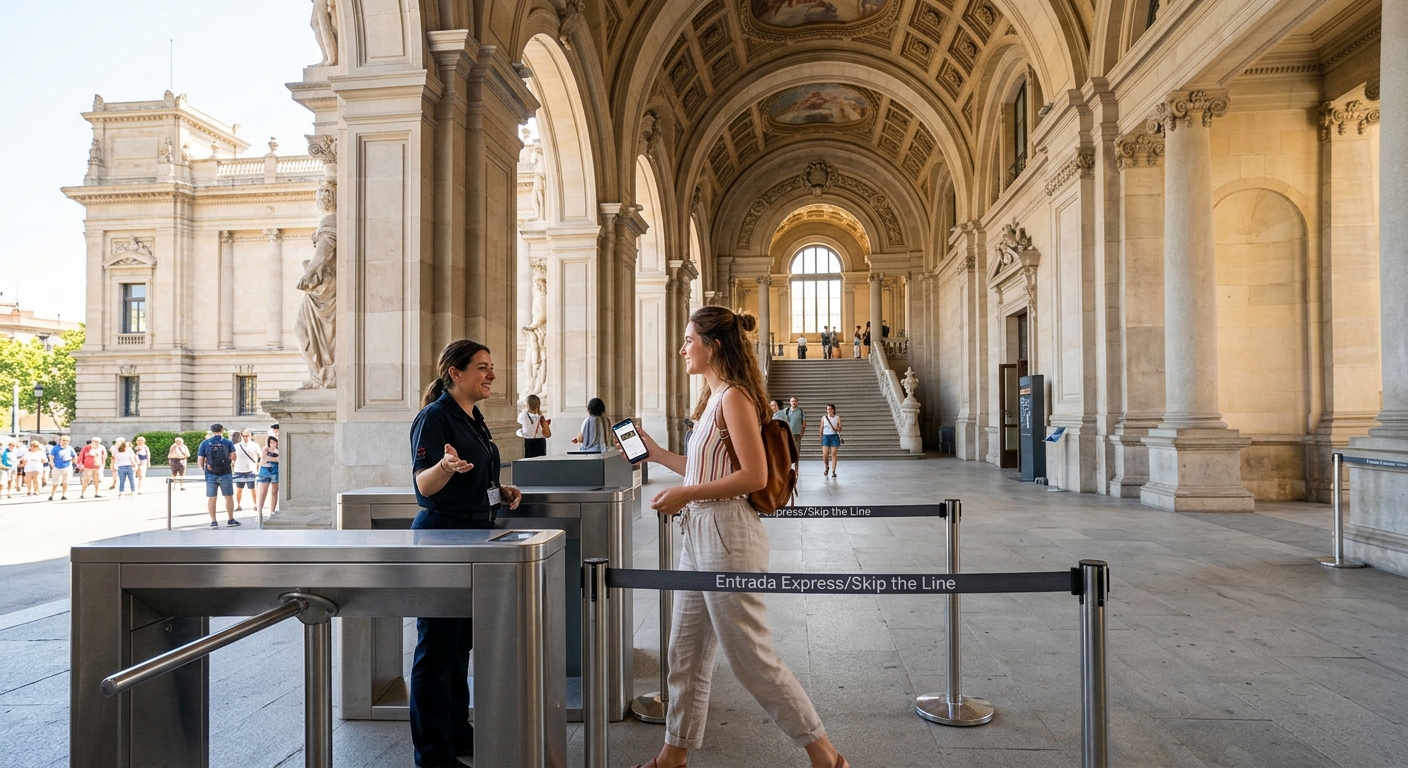
Skip-the-line museum or landmark tickets: useful during peak season when queues can waste valuable sightseeing time.
Guided walking tours: especially good in the Gothic Quarter, El Born or for food experiences, giving context you would miss on your own.
Great things to do without overplanning
Walk La Rambla once, but do not spend your whole trip there
Explore the Gothic Quarter’s side streets
Visit Boqueria Market earlier in the day
Watch sunset from bunkers or Montjuic viewpoints
Stroll Passeig de Gracia for architecture and shopping
Spend time at the beach or promenade if weather allows
If you want more Barcelona travel deals, it is worth comparing accommodation, attraction access and transport options together before you book.
Getting from the airport and around the city
Barcelona-El Prat Airport is well connected, so the best arrival option depends on your budget, luggage and arrival time. The Aerobus is a popular and simple choice for many first-time visitors, especially if you are staying near Plaça de Catalunya. The metro is affordable and useful, though not always ideal with heavy bags. Taxis are straightforward for door-to-door convenience, while private transfers make sense if you are arriving late, travelling with family or want the least stressful option.
Within the city, the metro is efficient and easy to use. Walking is also one of the best ways to enjoy Barcelona, especially in the central districts. For a short stay, a transport pass can save money if you plan multiple metro journeys each day.
Practical transport tips:
Validate your ticket properly before boarding
Keep an eye on bags in busy stations and tourist areas
Use taxis or transfers for very early departures
Wear comfortable shoes because you will walk more than expected
Money-saving tips for a first Barcelona trip
Book major attractions early to secure standard pricing and better time slots
Stay slightly outside the busiest old-town streets for better value
Use public transport rather than relying on taxis for every journey
Have lunch as your main meal, as set menus can be good value
Mix paid attractions with free experiences like neighbourhood walks, beaches and viewpoints
Avoid eating right on the most touristy parts of La Rambla
Best time to visit Barcelona
For many travellers, the best times to visit are late spring and early autumn. May, June, September and early October usually offer pleasant weather, long days and a good balance between beach time and sightseeing. July and August are hot, busy and often more expensive, though ideal if the beach is a major priority. Winter is quieter and can offer better value, but with shorter days and less beach appeal.
If your main goal is sightseeing, aim for shoulder season and book key tickets in advance. If you care most about swimming and seaside energy, summer is the obvious choice, but expect bigger crowds.
Sample 3-day Barcelona itinerary for first-timers
Day 1
Arrive and settle into your hotel
Walk through the Gothic Quarter and La Rambla
Visit Boqueria Market
Sunset at the waterfront or Barceloneta
Day 2
Morning visit to Sagrada Familia
Explore Eixample and Passeig de Gracia
Visit Casa Batllo or La Pedrera
Dinner in El Born or Gracia
Day 3
Morning at Park Guell
Afternoon in Montjuic, a museum, or the beach depending on your interests
Final evening tapas walk or guided food tour
Barcelona is an easy city to love on a first visit, but the best trips usually come from matching your hotel area, transport and pre-booked sightseeing to the kind of break you actually want. Once you know your budget, preferred neighbourhood and must-do attractions, choosing the right stay, tickets and arrival options becomes much simpler—and the next step is comparing the most suitable travel extras to make your trip smoother from the moment you land.
Our Top Recommendations
Based on this guide, here are hand-picked products from our partners that we recommend:




We may earn a commission if you buy through these links, at no extra cost to you.