
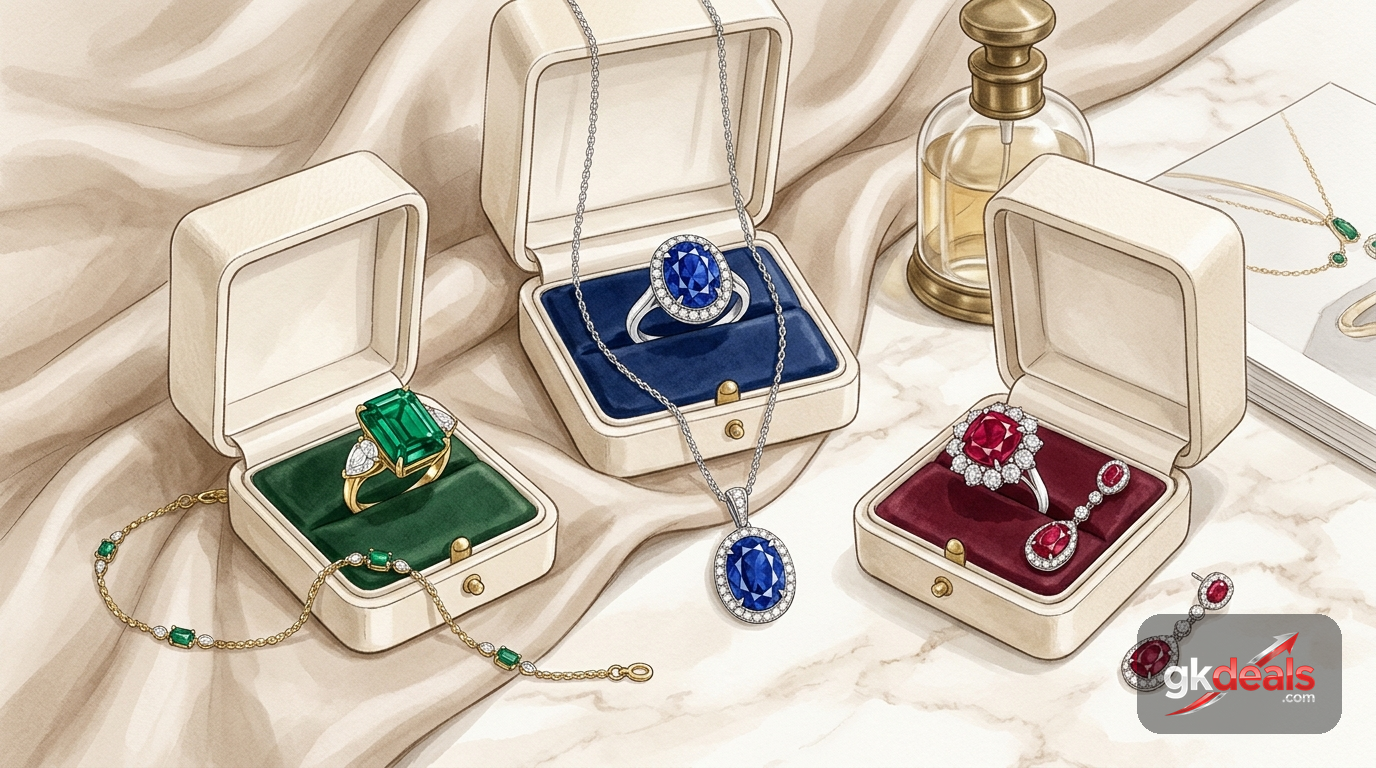
Sapphire, emerald and ruby are often called the big three of colored gemstones, and for good reason: each offers a distinct visual identity, a long tradition in fine jewelry and a level of prestige that makes a four-figure purchase feel meaningful. When you are shopping above $1,000, the decision should go beyond choosing a favorite hue. Color intensity, visible clarity, cut style, setting design and metal pairing all shape how luxurious a piece looks on the body and how confidently it will fit into a collection over time. Pendants are especially appealing because they put the gemstone front and center, allowing tone, brilliance and silhouette to do most of the talking.
If you are choosing between sapphire, emerald and ruby, begin by thinking about personal style as much as gem hierarchy. Sapphire often feels cool, polished and versatile; emerald reads vivid, distinctive and romantic; ruby tends to project warmth, drama and classic glamour. From there, assess whether you prefer a minimal solitaire, a gemstone accented with diamonds or a more symbolic shape such as a heart or infinity motif. In this price tier, fine details matter, and a pendant that looks right from every angle is often the one that earns the most wear.
The Big Three: Why Sapphire, Emerald and Ruby Matter
These three gemstones occupy a special place in fine jewelry because they deliver recognizable color with immediate emotional resonance. Even among luxury buyers who own diamonds, a deeply saturated blue sapphire, a lively green emerald or a glowing red ruby can feel more individual and expressive. Their appeal is not just rarity in the broad sense, but also the way each gem communicates something different through color alone.
Blue sapphire tends to be the easiest of the three to style. It works with both formal and everyday wardrobes and pairs beautifully with white metals as well as warmer tones. Emerald has a fresher, more fashion-forward feel, but it is also rooted in heritage jewelry traditions, making it a compelling choice for buyers who want something refined yet distinctive. Ruby brings intensity and richness, often suiting those who like statement color without needing oversized designs.
- Sapphire: polished, elegant and highly versatile in a jewelry wardrobe.
- Emerald: vibrant, romantic and instantly recognizable for its green depth.
- Ruby: warm, dramatic and ideal for a more classic bold-color look.
Because all three gems are precious rather than merely decorative in the market imagination, they also tend to feel gift-worthy. That matters when spending over $1,000: the piece should carry emotional weight as well as visual appeal.
How to Judge Color and Clarity
For gemstone jewelry, color is usually the first and most important quality factor. The best-looking pendant is not always the biggest or the most elaborate; it is often the one with the most appealing saturation and balance of tone. With sapphire, look for blue that appears vivid rather than washed out or overly dark. With emerald, the goal is a green that looks alive and richly colored. With ruby, the strongest pieces usually show a red that feels full and glowing rather than flat.
Clarity matters too, but not in exactly the same way it does with diamonds. Colored gemstones are often appreciated for beauty at a glance, so what counts most is whether the stone looks clean and lively when worn. If inclusions or internal characteristics are visible enough to interrupt the color experience, the piece may feel less refined. On the other hand, some gemstones, particularly emeralds, are commonly evaluated with a more forgiving eye toward visible internal features than buyers might expect from diamond standards.
When reviewing a pendant design, consider how shape influences the presentation of color. Teardrop cuts can elongate the appearance of the gem and give color a graceful, fluid presence. Round solitaires often emphasize symmetry and classic wearability. Heart shapes introduce a more overtly romantic mood and can make a saturated blue sapphire feel softer and more sentimental.
- Prioritize rich, attractive color over sheer carat impression.
- Check whether the gem appears bright and balanced, not too pale or too dark.
- Think about how shape affects style: teardrop for elegance, round for timelessness, heart for romance.
Natural vs Lab-Grown: What Buyers Should Consider
One of the most common questions in gemstone jewelry today is whether to choose natural or lab-grown stones. At a luxury price point, the answer depends on what kind of value matters most to you. Natural gemstones appeal to buyers who want the sense of rarity and geological origin that has long defined precious jewelry. For some, that origin story is central to the romance of ownership.
Lab-grown gemstones, by contrast, can appeal to shoppers who prioritize visual impact and controlled consistency. They may offer strong color and a clean look that suits buyers focused chiefly on appearance and wear. In practical terms, the right choice comes down to whether you place greater importance on natural provenance or on the idea of obtaining a polished gemstone look through a modern route.
Whichever side you prefer, the same style principles still apply. The pendant should feel coherent, balanced and elegant; the gemstone should remain the star; and the setting should support rather than compete with the color. Especially in a gift context, clarity on this question matters because some recipients strongly prefer one category over the other.
- Choose natural if origin and traditional rarity matter most to you.
- Choose lab-grown if visual consistency and a modern buying perspective appeal more.
- In either case, focus on beauty, proportion and how the pendant will actually be worn.
Settings and Metals: The Look Around the Stone
A great gemstone can only look as good as its setting allows. In pendants, the setting shapes not only security but also style. Prong-set designs usually show more of the gemstone, allowing greater light exposure and a more open presentation of color. That often makes them a strong choice for buyers who want the gem to feel prominent and luxurious. Bezel settings create a smoother, more contained outline around the stone, giving the pendant a cleaner, more modern and often more understated personality.
Design details such as a V-bale, solitaire framing or diamond accents also shift the mood considerably. A V-bale can add architectural sharpness and a polished finish to a teardrop gemstone, reinforcing elegance without overwhelming the center stone. Diamond accents introduce contrast and brightness, often making the colored gem read even more vividly. A solitaire setting, on the other hand, is ideal for minimalists who want all attention to fall on the gem itself.
Metal choice is equally influential. White-toned metals usually emphasize coolness, crispness and brilliance, making them especially natural companions for blue sapphire and often striking with emerald too. Warmer metals can deepen the richness of ruby and add softness to green stones. In the absence of a preferred metal, think about existing jewelry in your wardrobe and whether you want the pendant to blend in or stand apart.
- Prong settings: open, classic and gemstone-forward.
- Bezel settings: sleek, modern and clean-lined.
- Diamond accents: brighter overall look and added contrast.
- Solitaire designs: minimal, timeless and easy to wear often.
Our Picks

Prong-Set Blue Sapphire Teardrop V-Bale Pendant with Diamond by Angara — $1,682: This suits the buyer who wants classic sapphire elegance with a graceful teardrop silhouette and a touch of extra brilliance from diamond detail.
Shop at Angara · $1,682 →
Heart-Shaped Blue Sapphire Infinity Pendant with Diamond Accents by Angara — $1,745: This is ideal for someone drawn to romantic symbolism and a softer, more sentimental expression of blue sapphire.
Shop at Angara · $1,745 →
Prong-Set Emerald Teardrop V-Bale Pendant with Diamond by Angara — $1,034: This suits a shopper seeking the vivid individuality of emerald in a traditional pendant profile at the most accessible price in this selection.
Shop at Angara · $1,034 →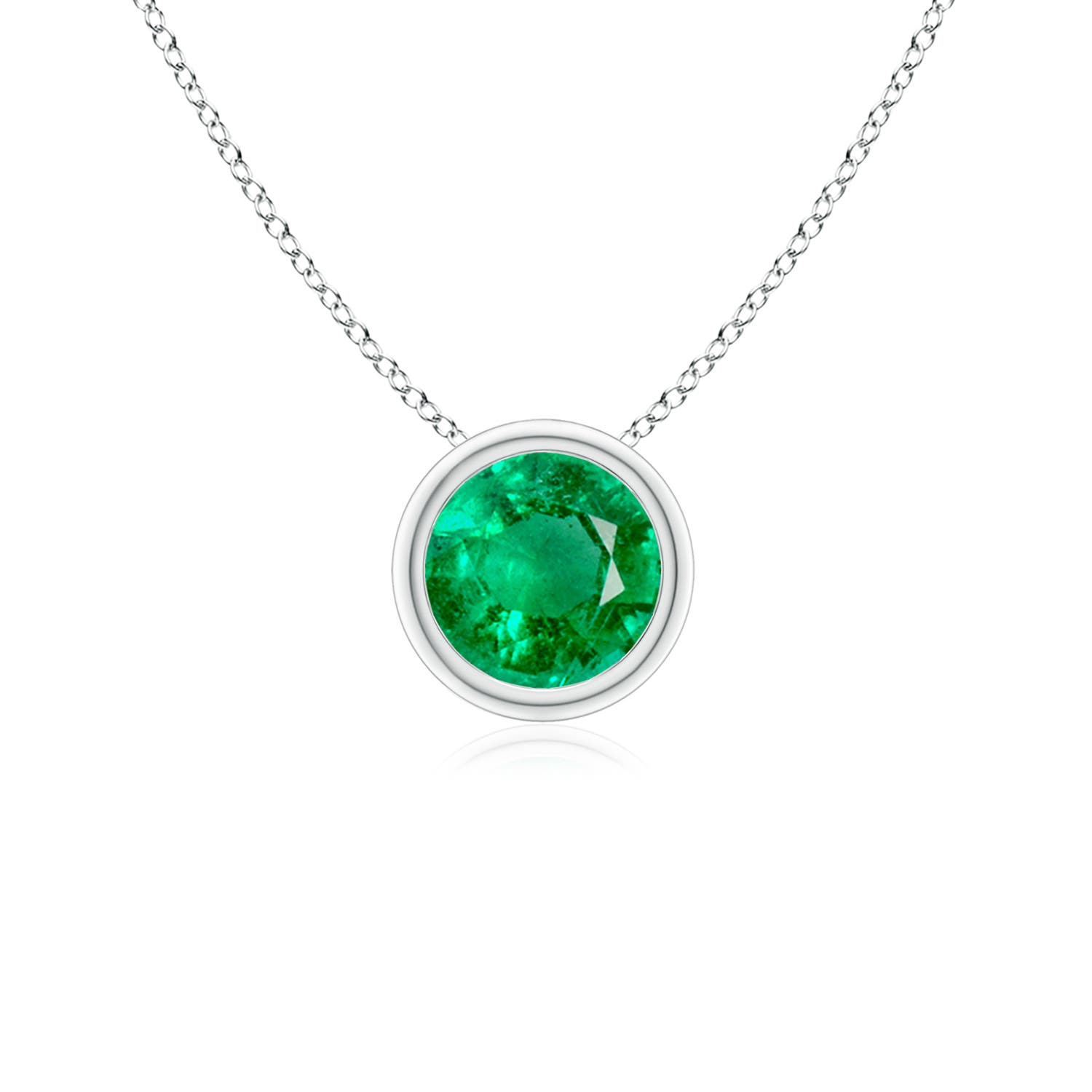
Bezel-Set Round Emerald Solitaire Pendant by Angara — $1,385: This is a strong choice for minimalists who want emerald color in a clean, modern solitaire format.
Shop at Angara · $1,385 →
Prong-Set Ruby Teardrop V-Bale Pendant with Diamond by Angara — $1,277: This suits those who prefer ruby’s rich warmth in an elegant shape that feels classic rather than overpowering.
Shop at Angara · $1,277 →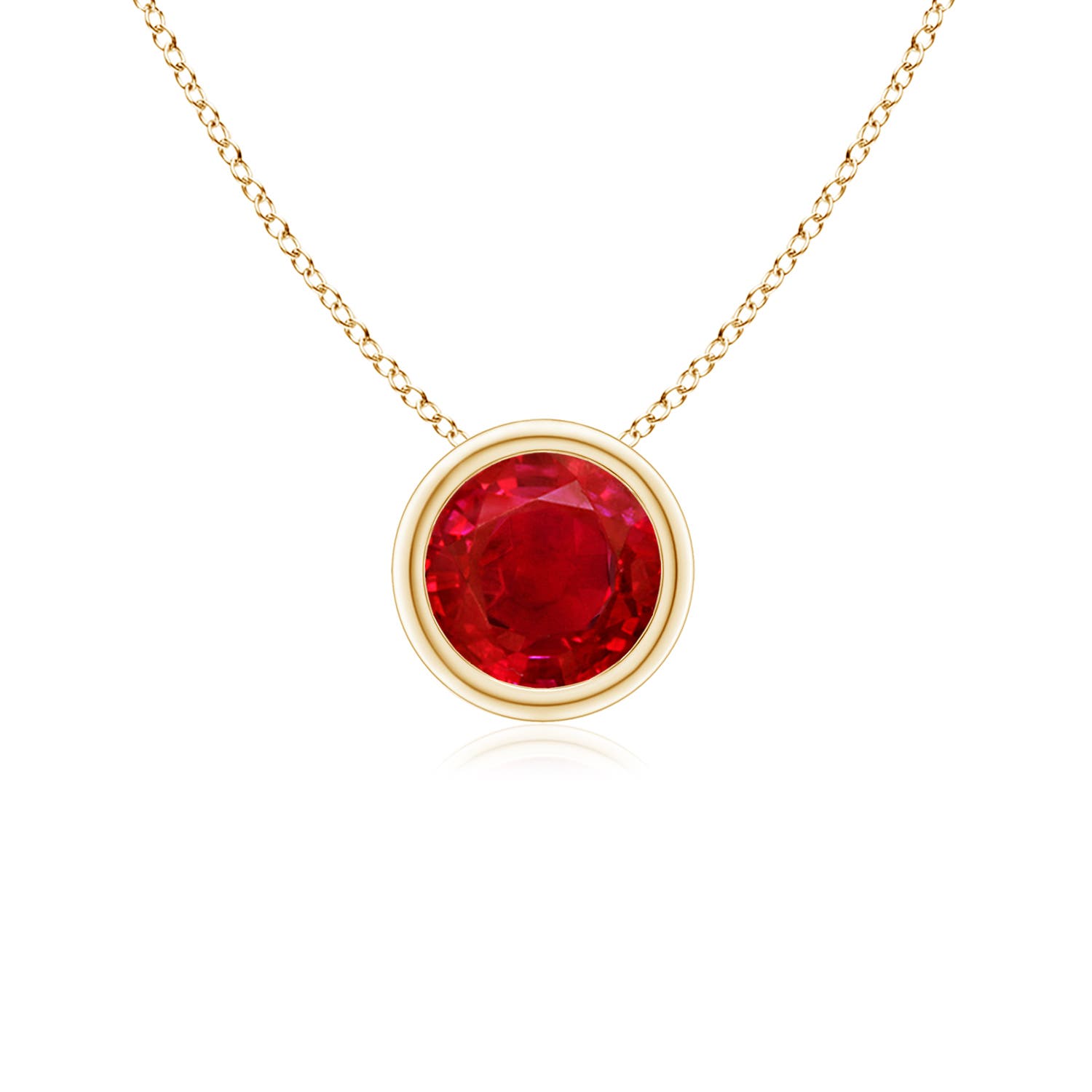
Bezel-Set Round Ruby Solitaire Pendant by Angara — $1,763: This is best for buyers who want a sleek ruby pendant with a bold but restrained presence and a timeless round silhouette.
Shop at Angara · $1,763 →How to Choose the Right Pendant for Your Style
If your jewelry wardrobe leans tailored, understated and versatile, sapphire or ruby in a round or teardrop silhouette will likely offer the easiest long-term wear. If you enjoy color that feels instantly distinctive and slightly less expected, emerald can be especially compelling. Buyers who wear their pendants layered may prefer a bezel-set solitaire for its streamlined outline, while those looking for a stand-alone focal piece may gravitate toward prong-set styles with diamond accents.
It also helps to think about the emotional register of the design. A heart-shaped infinity pendant naturally reads as romantic and symbolic, making it especially suitable for gifting. A teardrop V-bale pendant tends to feel more classically elegant and occasion-friendly. A round bezel-set solitaire is often the most adaptable for everyday luxury, particularly for someone who prefers quiet refinement over ornamental flourish.
- Choose sapphire if you want maximum wardrobe versatility.
- Choose emerald if you want standout color with a refined edge.
- Choose ruby if you want warmth, glamour and classic richness.
- Choose symbolic shapes for gifting, and solitaires for everyday ease.
Is It Worth It?
Yes, gemstone jewelry over $1,000 can be worth it when the purchase aligns with what you value most: precious color, fine design and the sense of permanence that comes from owning a piece meant to outlast trends. Sapphire, emerald and ruby all offer a level of recognition and desirability that makes them feel special in a way many fashion-driven pieces do not. The key is to buy with intention. You are not simply paying for ornament; you are paying for the visual power of a precious gemstone and the craftsmanship needed to present it well.
For some buyers, the best value will be a minimal bezel-set solitaire that can be worn almost daily. For others, it will be a teardrop pendant with diamond detail that feels more overtly luxurious. In either case, a well-chosen pendant in sapphire, emerald or ruby can justify its price by becoming a signature piece rather than an occasional accessory. If the color speaks to you, the setting supports your lifestyle and the design feels enduring, this is the kind of jewelry purchase that can prove its worth every time you wear it.
We may earn a commission if you buy through these links, at no extra cost to you.