

Pet owners in 2026 have more choices than ever, from supplements and grooming formulas to dental care, calming aids, skin support products, and everyday wellness essentials. That variety can be helpful, but it can also make shopping confusing. Labels often sound impressive, packaging can look highly professional, and online reviews may not always tell the full story.
The good news is that you do not need to be a veterinarian to make smarter buying decisions. With a practical checklist and a careful eye for quality signals, you can narrow down pet health products that fit your pet's needs, your standards, and your budget. Whether you are browsing daily wellness formulas or considering a product such as UltraK9 Pro, the goal is the same: choose something that appears responsibly made, clearly labeled, and appropriate for your pet after checking with your veterinarian when needed.
Why choosing carefully matters
Pet health products are often bought with good intentions. Owners want to support mobility, digestion, skin comfort, coat quality, stress management, oral hygiene, or general vitality. But not every product on the market is equally transparent. Some rely on vague language, proprietary blends with limited detail, or dramatic promises that can be hard to trust.
Choosing carefully matters for a few key reasons:
Pets can be sensitive to ingredients. Even products marketed as gentle or natural may not be suitable for every animal.
Product quality varies. Sourcing, manufacturing standards, freshness, and testing all influence reliability.
Needs differ by species, breed, size, and age. A formula that may suit one dog or cat may be less appropriate for another.
Marketing can outpace evidence. Strong claims do not always mean a product is the best fit.
Value is about more than price. A lower-cost option is not always the better buy if serving sizes, ingredient quality, or consistency are poor.
A thoughtful approach helps you avoid impulse purchases and focus on products that support your pet care routine more responsibly. It also lowers the chance of wasting money on items that do not align with your priorities.
Start with your pet's actual need
Before comparing brands, define the reason you are shopping. This sounds obvious, but it is one of the most important steps. Many owners buy broad “wellness” products without being clear on the outcome they hope to support.
Ask yourself these questions first
What specific concern am I trying to address in my daily care routine?
Is this a short-term purchase or part of an ongoing wellness plan?
Has my vet already recommended looking at a certain type of product?
Does my pet have allergies, sensitivities, or dietary restrictions?
Will my pet realistically accept this format, such as chew, powder, liquid, wipe, or topical product?
For example, a picky dog may refuse powders mixed into food, while another pet may do better with a chew or soft treat format. A senior pet may need different support priorities than a young, active adult. Getting clear on the need makes the rest of the buying process much easier.
Read labels with a skeptical, practical mindset
One of the biggest shopping mistakes is focusing only on the front of the package. The front is designed to attract attention. The more useful information is usually in the ingredient list, directions, warnings, and manufacturer details.
What a better label usually includes
Clear ingredient disclosure. You should be able to identify the main active and inactive ingredients.
Straightforward usage directions. Serving guidelines should be easy to understand and based on pet size or weight where relevant.
Caution statements. Good brands acknowledge that some pets may need extra care and advise consulting a veterinarian.
Manufacturer information. A real company should be easy to identify and contact.
Lot number or batch information. This can be a useful sign of organized production and traceability.
Be cautious if a product leans heavily on buzzwords but gives very little practical detail. Terms like “premium,” “advanced,” or “vet inspired” are not automatically bad, but they are not substitutes for transparency.
Look for safety and quality signals
When comparing pet health products, quality control is often just as important as the ingredient list. In 2026, many shoppers are paying closer attention to where products are made, how they are tested, and whether the company is transparent about its standards.
Helpful quality indicators
Third-party testing. Independent testing can add confidence that a product matches its label and is screened for unwanted contaminants where relevant.
Manufacturing standards. Look for brands that share information about their production practices and quality assurance.
Consistent formulation. Reliable products tend to explain what is in them and why.
Reasonable shelf-life and storage guidance. This helps show that the company has considered product stability.
Transparent sourcing. Brands that discuss ingredient origin and standards often inspire more trust.
Even with these signals, no product is universally right for every pet. That is why it is wise to introduce any new health product carefully and monitor your pet closely. If you have concerns about ingredients, interactions, or suitability, consult your veterinarian before use.
Pay attention to dosage, format, and ease of use
An effective product on paper may still be a poor choice if it is hard to use consistently. Pet owners often underestimate how important convenience is. If your pet refuses the taste, if the dosage is confusing, or if the instructions are unrealistic for daily life, long-term use becomes harder.
Practical buying tips
Choose a format your pet is likely to accept without stress.
Check whether serving sizes scale sensibly for small, medium, and large pets.
Compare how many days one container actually lasts.
Make sure storage requirements fit your routine.
Prefer products with clear measuring tools or easy portioning.
This is where reading detailed reviews can help. A product such as UltraK9 Pro may catch your eye for its positioning, but it is still worth checking practical factors like ingredient transparency, user experience, format, and whether the directions seem manageable for your household.
Know how to evaluate reviews and brand reputation
Online reviews can be useful, but they should not be your only decision tool. Look for patterns instead of isolated praise or complaints.
What to look for in reviews
Comments about packaging consistency, freshness, and ease of use
Balanced feedback rather than exaggerated claims
Signs that the company responds professionally to customer concerns
Mentions of whether pets accepted the product well
Longer-term user impressions, when available
Also spend a minute reviewing the brand itself. Does the company explain its mission, quality standards, and contact details? Does it appear to stand behind its products? A trustworthy brand usually tries to make informed buying easier, not harder.
Watch for red flags before you buy
Some warning signs are easy to miss when a product is heavily advertised. Slow down if you see any of the following:
Overly dramatic claims that sound too good to be true
Very limited ingredient detail
No clear company information
Confusing dosage instructions
Pressure tactics, countdown timers, or suspiciously vague testimonials
Claims that discourage speaking with a veterinarian
In general, the best pet health products tend to communicate clearly and responsibly. They help owners understand what the product is, how to use it, and what to consider before buying.
How to make a confident final decision
When you are down to a shortlist, compare products side by side. Focus on the factors that matter most: ingredient transparency, manufacturing quality, format, dosage clarity, brand trust, and real-world value. Think in terms of suitability, not hype.
If your pet has a medical condition, takes medications, is pregnant, nursing, elderly, very young, or has a history of sensitivities, it is especially important to check with a veterinarian before adding new products. This guide is for educational purposes and does not replace professional advice.
Once you know what to look for, buying becomes much less overwhelming. The strongest options usually stand out through clear labeling, sensible formulations, practical usability, and a brand reputation that feels earned. In the recommendations that follow, you can use this checklist to quickly identify which products may be the best fit for your pet and your buying priorities.
Our Top Recommendations
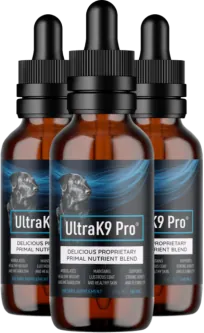
UltraK9 Pro is a liquid dog wellness supplement aimed at owners who want an easy daily nutritional add-on, especially for dogs eating mostly processed food. Its main appeal is convenience: it mixes into meals without…