
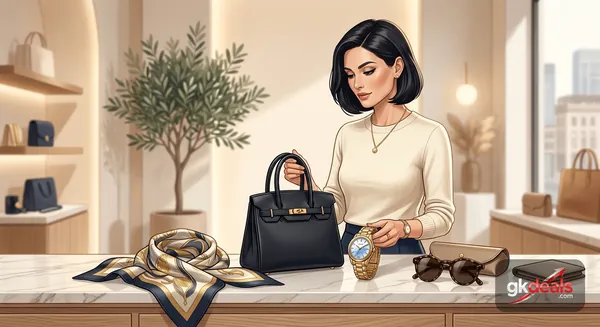
Luxury accessories promise polish, status, and longevity, but in 2026, smart shoppers know a high price alone does not guarantee real value. The best luxury accessory purchases combine craftsmanship, usefulness, personal style, and staying power. Whether you are considering a scarf, belt, sunglasses, jewelry, handbag, or a standout fashion piece that functions like an accessory, the goal is the same: buy something you will love wearing often and feel good owning years from now.
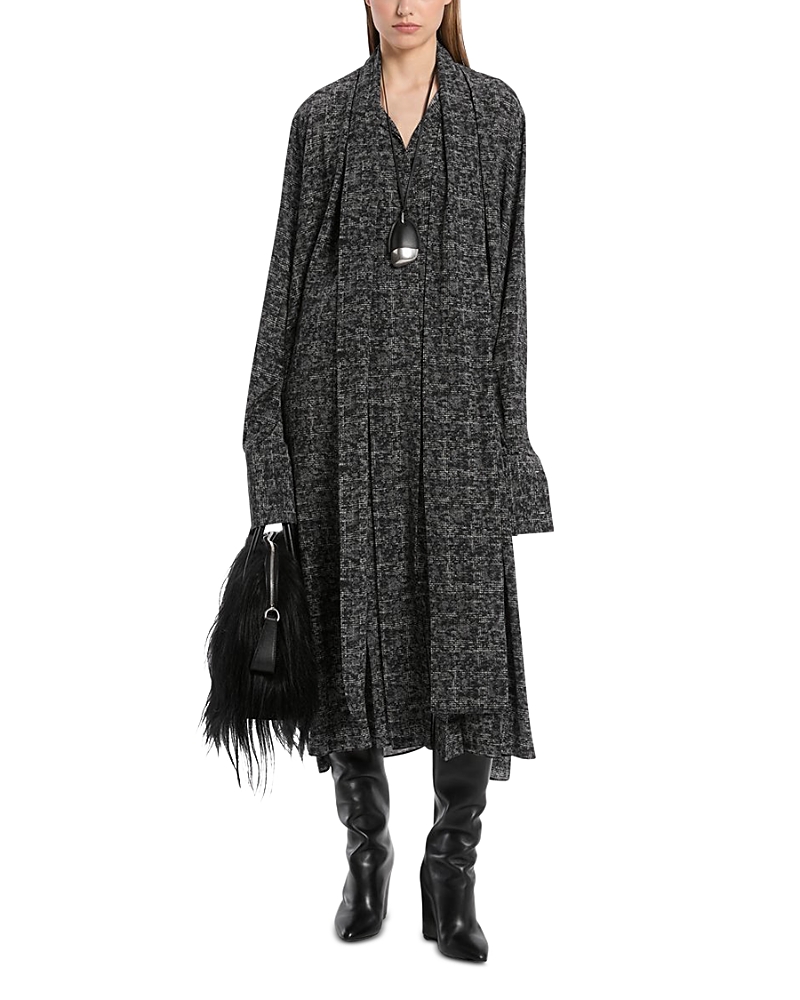
That matters more than ever in a market full of trend cycles, heavy branding, influencer hype, and frequent “must-have” launches. A worthwhile purchase should not just look luxurious on day one. It should fit naturally into your wardrobe, hold up with regular use, and continue to feel relevant after the buzz fades. Even statement pieces such as the Michael Kors Collection Silk Scarf Shirt Dress can make sense when chosen as a versatile wardrobe accent rather than a one-season splurge.
Why choosing carefully matters
Luxury accessories are often the easiest entry point into designer fashion, but they can also be where buyers overspend. Because accessories tend to be smaller than ready-to-wear, many shoppers assume they are automatically safer buys. In reality, they still need to earn their place in your closet.
Choosing carefully matters for a few key reasons:
- Cost per wear adds up fast: An accessory you use weekly can be a better investment than one you wear twice a year, even if both are beautifully made.
- Quality varies widely: Two items at similar price points can differ dramatically in material quality, finishing, and durability.
- Trends move faster than craftsmanship: Some luxury pieces are designed to capture attention now, not necessarily to age well.
- Branding can distort value: You may be paying more for a visible logo than for construction or material excellence.
- Resale and longevity matter more in 2026: Buyers are increasingly thinking about sustainability, secondhand value, and long-term wardrobe planning.
Making a luxury purchase with intention helps you avoid buyer’s remorse and build a collection of accessories that genuinely elevates your style.
Start with your real lifestyle, not your fantasy wardrobe
One of the biggest mistakes people make is buying for the version of themselves they imagine rather than the life they actually live. Before shopping, ask how and where you will use the accessory. A structured mini bag may look stunning, but if you carry a laptop and commute daily, it may spend most of its life on a shelf. A delicate silk piece may be gorgeous, but if you rarely dress up or prefer low-maintenance clothing, it may not be practical enough to justify the spend.
A simple way to stay realistic is to think through these questions:
- How often can I wear or use this in a typical month?
- Does it work with at least three outfits I already own?
- Will I still want to wear it if the current trend fades?
- Does it suit my climate, schedule, and comfort preferences?
- Will I enjoy maintaining and storing it properly?
The more naturally a piece fits your daily life, the more likely it is to be worth the money.
Focus on versatility before hype
Versatility is one of the clearest signs that a luxury accessory will deliver long-term value. This does not mean everything you buy needs to be plain or minimal. It means the piece should offer enough styling flexibility to justify its cost.
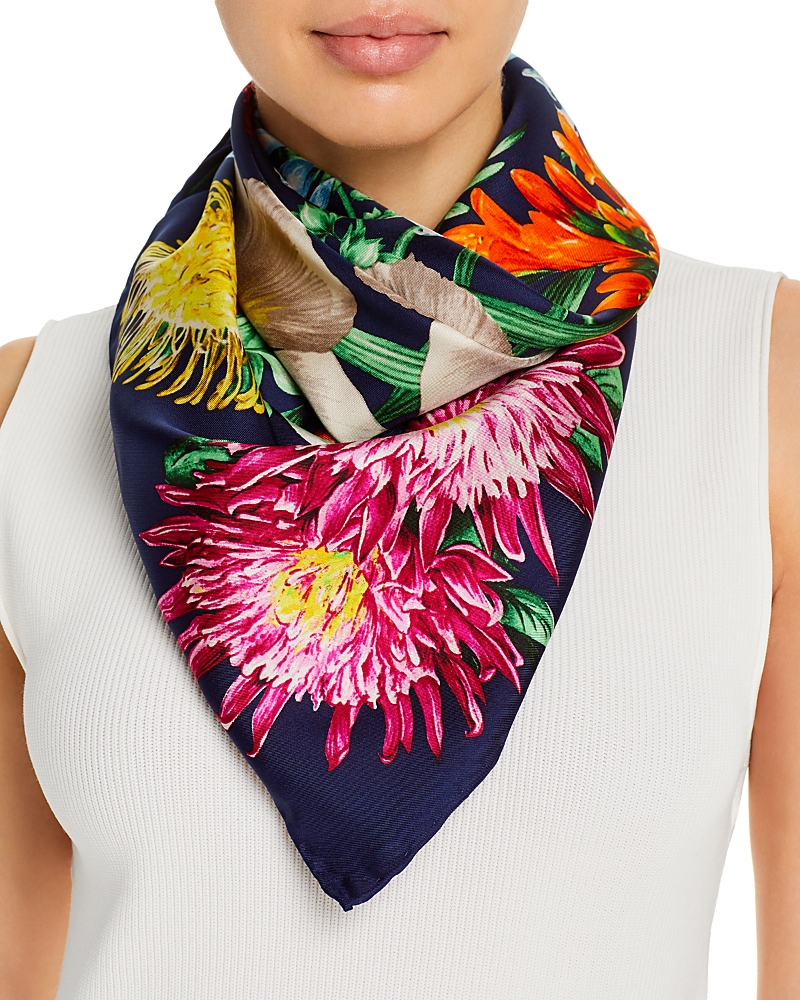
Look for items that can move across settings, seasons, or styling moods. A silk scarf, for example, can work around the neck, tied to a handbag, in the hair, or layered over tailoring. Likewise, a fashion-forward piece can still be versatile if it can be worn in multiple ways or styled casually and formally. The Michael Kors Collection Silk Scarf Shirt Dress is a good example of a statement item that may appeal to shoppers who want luxury impact with styling potential, especially if they view it as a multi-occasion piece rather than a single-event purchase.
When you are unsure, choose the option that gives you more combinations, not just more excitement in the fitting room.
How to evaluate quality in luxury accessories
True luxury value comes from construction and materials, not marketing language. Learning to inspect details can save you from paying premium prices for average quality.
Materials
Start by checking what the item is actually made from. Prioritize natural and high-performing materials when they suit the category:
- Leather: Full-grain and high-quality calfskin typically age better than heavily corrected leather.
- Silk: Should feel smooth, substantial, and fluid rather than overly thin or brittle.
- Metal hardware: Should feel weighty, secure, and neatly finished.
- Knitwear or soft accessories: Look for cashmere, merino wool, or durable blends with a soft but resilient hand feel.
- Jewelry: Check for solid materials, plating quality, clasp security, and stone setting precision.
Read composition labels carefully. A luxury label does not automatically mean premium material content.
Construction
Then examine how the piece is made:
- Even stitching with no loose threads
- Clean edge painting or finishing
- Symmetry in shape and pattern placement
- Smooth zippers, closures, and clasps
- Linings that feel durable and sit flat
- No bubbling, warping, glue marks, or rough seams
On soft accessories and apparel-adjacent pieces, drape matters too. The way a scarf falls or a dress moves can tell you a lot about fabric quality and cut.
Comfort and function
If an accessory is uncomfortable, awkward, or overly delicate, you are less likely to use it. Try it on or visualize real wear. Are sunglasses balanced? Is a belt easy to fasten? Does a silk accessory stay in place? Can you sit, walk, and layer comfortably? Luxury should feel refined in use, not just beautiful at first glance.
What to look for when buying in 2026
Shopping in 2026 means thinking beyond appearance. Today’s best luxury buys usually check several boxes at once: style, utility, durability, and long-term relevance.
1. Timeless design with personality
The strongest purchases tend to sit between basic and overly trendy. Look for a distinctive detail, shape, print, or finish that feels special without locking the piece into one season. A signature element is great. A trend gimmick is riskier.
2. Easy wardrobe integration
Choose colors and proportions that work with your existing closet. Neutrals often deliver the highest wear count, but rich jewel tones, classic prints, and sophisticated textures can be equally useful if they match your style.
3. Brand strengths in that specific category
Not every luxury house excels at every type of accessory. Some are known for leather goods, others for silk, tailoring, hardware, or statement dressing. It is smarter to buy from brands whose craftsmanship reputation aligns with the item you want.
4. Maintenance requirements
Before buying, know what care the item needs. Can it be stored easily? Does it need specialist cleaning? Will hardware scratch easily? Does silk require careful handling? A piece that demands more upkeep than you are willing to give may not be worth the price.
5. Authenticity and purchase source
Buy from trusted retailers, official brand channels, or reputable resale platforms with strong authentication standards. Counterfeits have become increasingly sophisticated, and a “deal” is not worthwhile if authenticity is uncertain.
6. Resale resilience
Even if you do not plan to resell, it is useful to consider whether the item has lasting demand. Classic styles, excellent condition, and recognizable quality usually hold interest better than highly seasonal designs.
Practical tips to avoid overspending
- Use a 48-hour pause: If you still want it after the excitement settles, it is more likely to be a thoughtful buy.
- Calculate cost per wear: Estimate realistic usage over two to three years.
- Compare similar options: Do not assume the most expensive version is the best-made one.
- Check return policies: Especially important for online purchases and final-sale items.
- Photograph your wardrobe: This helps you judge whether the accessory truly fills a gap.
- Set an investment standard: Only buy pieces that are beautiful, functional, and durable enough to meet all three criteria.
The best luxury accessory is one you will keep reaching for
In the end, a luxury accessory is worth the money when it delivers more than a logo. It should feel exceptional in quality, work hard in your wardrobe, and still make sense after the initial thrill of buying it fades. If you evaluate materials, craftsmanship, versatility, and real-life wearability, you will make far better choices in 2026 and beyond.
With those standards in mind, the next step is to compare well-reviewed options that match your style, budget, and lifestyle needs so you can invest with confidence.
Our Top Recommendations
The Michael Kors Collection Silk Scarf Shirt Dress brings fluid elegance and elevated polish to a statement-making silhouette. It is a luxury buy that blends the softness of silk with the easy sophistication of modern…